
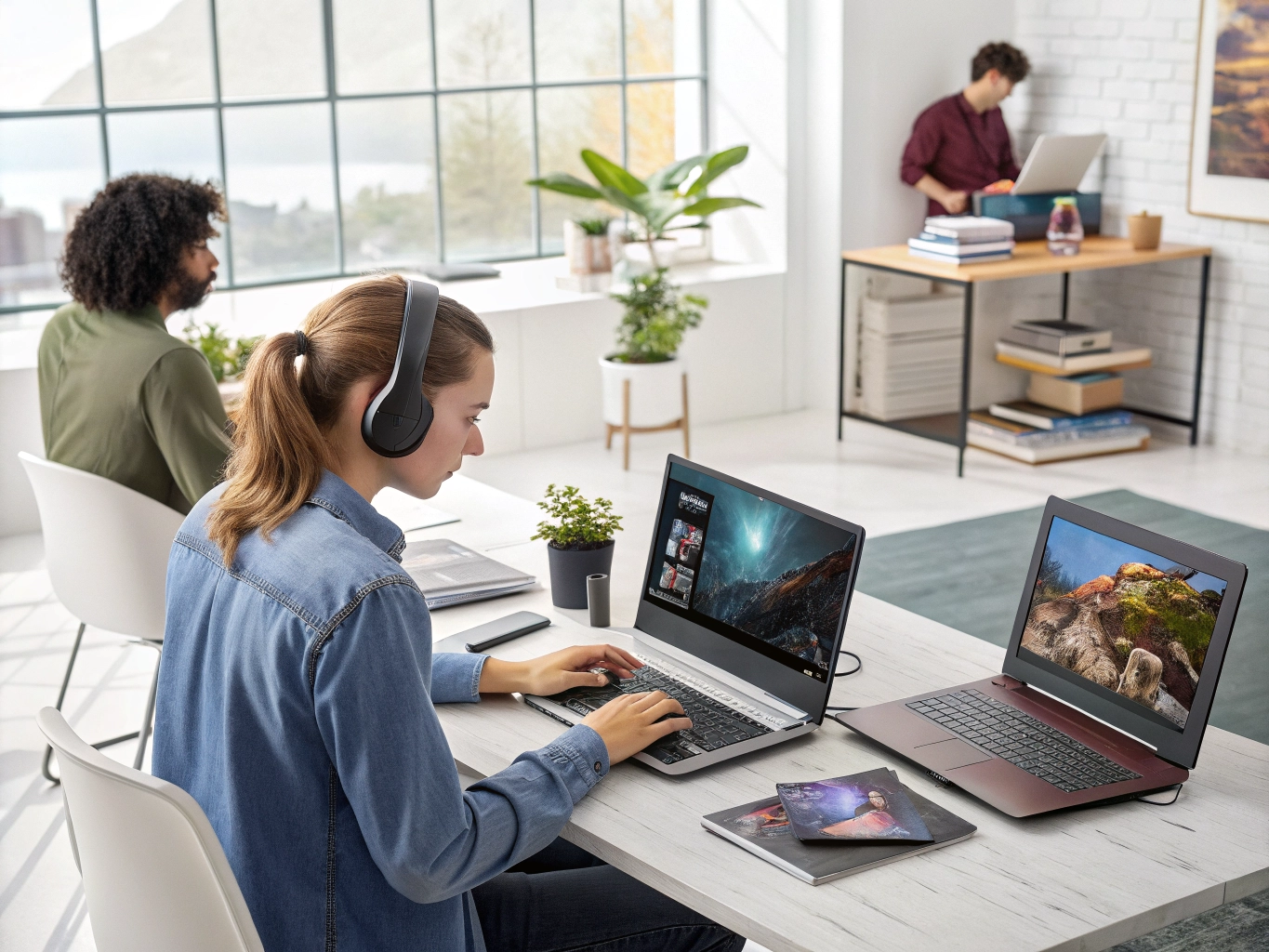
Choosing the best laptop in India can be challenging because there are hundreds of models available across different price ranges, brands, specifications, and use cases. Whether you need a laptop for studying, office work, business, programming, content creation, graphic design, entertainment, or gaming, selecting the right specifications can help you get better value for your money.
Modern laptops are available with different processors, RAM capacities, storage options, display technologies, graphics cards, battery capacities, and operating systems. Some models are designed to be lightweight and portable, while others prioritize performance for demanding workloads.
If you are planning to buy a laptop online, it is important to compare the processor, RAM, SSD storage, display, battery life, graphics, build quality, connectivity, warranty, and overall price before making a purchase.
Affiliate Disclosure: This article may contain affiliate links. If you purchase a product through our affiliate links, we may earn a commission at no additional cost to you.
Why Buy a Laptop?
A laptop provides the flexibility of a desktop computer while allowing you to work, study, browse the internet, watch videos, attend meetings, and perform other tasks from different locations.
Modern laptops can be useful for:
- Students
- Office professionals
- Business owners
- Freelancers
- Programmers
- Designers
- Content creators
- Gamers
- Teachers
- Researchers
- Home users
The best laptop for one person may not be the right choice for another. Your ideal laptop depends on how you plan to use it.
How to Choose the Best Laptop
Before buying a laptop, identify your primary use.
Ask yourself:
- Do I need it for studying?
- Do I need it for office work?
- Will I use Photoshop or video editing software?
- Do I need it for programming?
- Do I want to play games?
- Do I travel frequently?
- Do I need a large display?
- Is battery life important?
- Do I need a dedicated graphics card?
- What is my budget?
Answering these questions makes it much easier to narrow down your choices.
Laptop Processor: Intel, AMD and Other Options
The processor is one of the most important components of a laptop.
It affects:
- General performance
- Multitasking
- Application responsiveness
- Productivity
- Video editing performance
- Programming workloads
- Gaming performance
Popular laptop processor families include processors from Intel and AMD, as well as Apple silicon used in Mac laptops.
When comparing processors, do not look only at the processor name. Consider the processor generation, number of cores, performance class, power efficiency, and the overall laptop configuration.
Intel Laptop Processors
Intel offers several processor families for laptops.
Depending on the generation and model, you may encounter:
- Intel Core processors
- Intel Core Ultra processors
- Intel processors designed for entry-level laptops
Higher-performance processors are generally better suited to demanding workloads, while efficient processors can be suitable for everyday productivity and portable laptops.
AMD Laptop Processors
AMD Ryzen processors are widely available in laptops.
Different Ryzen series target different performance categories.
They can be found in:
- Budget laptops
- Student laptops
- Office laptops
- Creator laptops
- Gaming laptops
- Performance notebooks
When comparing AMD laptops, check the exact processor model rather than relying only on the Ryzen branding.
Apple Silicon Laptops
Apple’s MacBook lineup uses Apple-designed silicon processors.
These systems are known for combining CPU, GPU, memory, and other components into an integrated architecture.
MacBooks can be particularly attractive to users who value:
- Battery efficiency
- Portable design
- macOS
- Build quality
- Creative applications
- Integration with other Apple devices
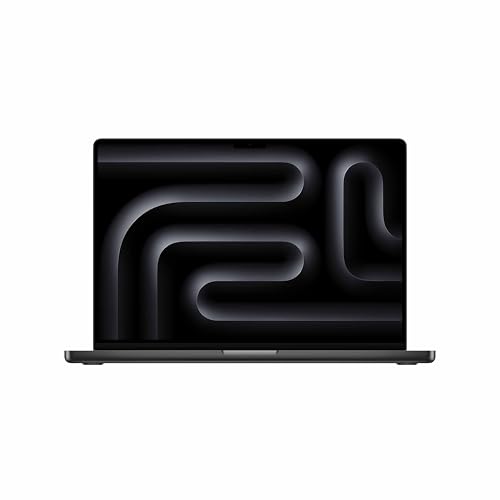
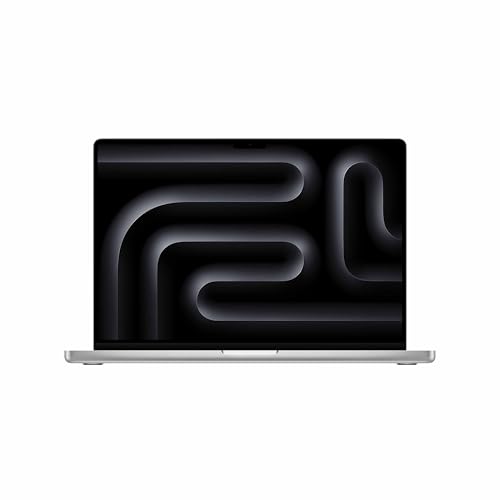
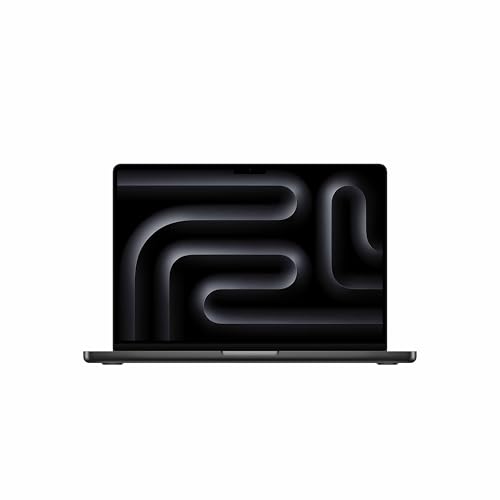
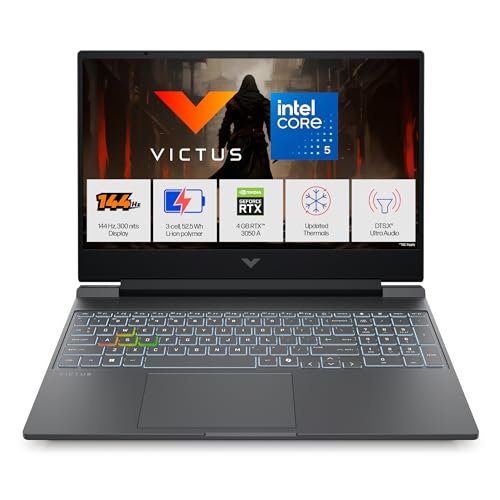
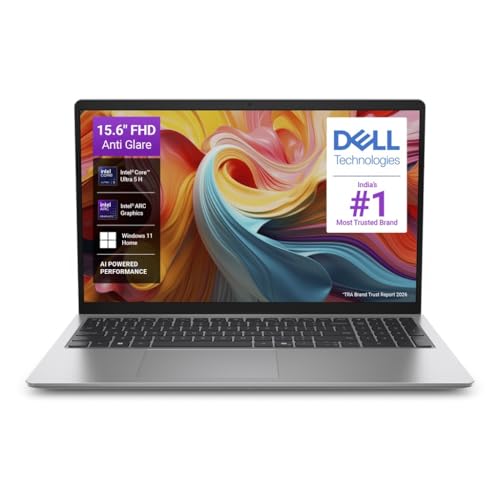
1 – BEST OVERALL LAPTOP
RAM: How Much Memory Do You Need?
RAM affects how many applications and browser tabs your laptop can handle comfortably at the same time.
Common laptop RAM configurations include:
- 4GB
- 8GB
- 16GB
- 24GB
- 32GB
- 64GB or more
4GB RAM
Usually intended for basic computing, although modern software can make 4GB feel restrictive.
8GB RAM
A reasonable starting point for many everyday users, depending on the operating system and applications.
16GB RAM
A strong choice for multitasking, productivity, programming, and many creative workloads.
32GB RAM
Useful for demanding workloads such as advanced editing, development environments, virtual machines, and professional applications.
For long-term use, consider your expected software requirements rather than choosing solely based on today’s needs.
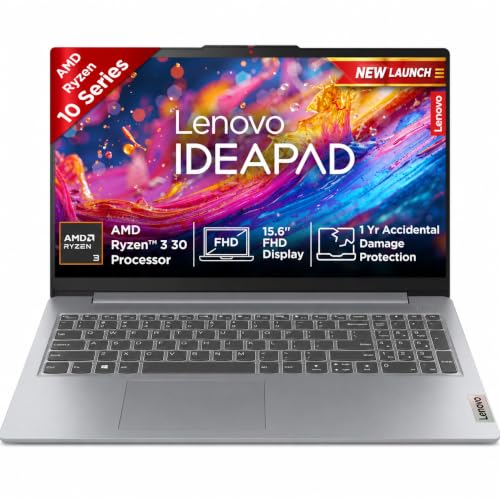
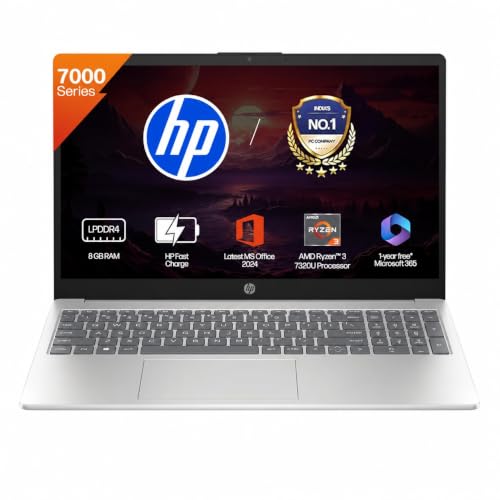
2 – BEST LAPTOP FOR STUDENTS
SSD Storage vs HDD Storage
Storage affects how quickly your laptop starts, launches applications, and accesses files.
SSD
Solid-state drives are widely used in modern laptops.
Advantages include:
- Fast boot times
- Quick application loading
- Faster file access
- No moving mechanical parts
- Generally quieter operation
Common SSD capacities include:
- 256GB
- 512GB
- 1TB
- 2TB
HDD
Traditional hard disk drives use mechanical components.
They can provide large storage capacity at relatively low cost but are generally slower than modern SSDs.
For a new laptop, an SSD is usually preferable for the primary operating system and applications.
How Much Storage Do You Need?
256GB SSD
Suitable for basic users who mainly work with documents, web applications, and cloud storage.
512GB SSD
A popular option for students, office users, and everyday computing.
1TB SSD
Useful for users who store large applications, games, photos, videos, and other files locally.
2TB or More
Suitable for users with extensive local storage requirements.
3 – BEST SSD LAPTOP

Laptop Display: What Should You Look For?
The display is one of the most important parts of a laptop because you may spend several hours looking at it.
Important display specifications include:
- Screen size
- Resolution
- Refresh rate
- Panel type
- Brightness
- Color coverage
- Aspect ratio
- Touch support
Laptop Screen Sizes
Common laptop screen sizes include:
- 13-inch
- 14-inch
- 15.6-inch
- 16-inch
- 17-inch
13–14 Inch Laptops
Ideal for portability and frequent travel.
15–16 Inch Laptops
A good balance between screen space and portability for many users.
17 Inch Laptops
Offer a larger workspace but are generally less portable.
Full HD, 2K and 4K Displays
Display resolution determines the number of pixels on the screen.
Full HD
Full HD is widely used and provides a good balance between sharpness and battery consumption.
2K-Class Displays
Higher-resolution screens can provide sharper images and more workspace.
4K Displays
4K displays provide very high resolution and can be useful for professional visual work, although they may consume more power.
Refresh Rate
Refresh rate is measured in Hertz (Hz).
Common laptop refresh rates include:
- 60Hz
- 90Hz
- 120Hz
- 144Hz
- 165Hz
- 240Hz
Higher refresh rates can make scrolling and motion appear smoother and are particularly relevant for gaming laptops.
4 – BEST LAPTOP FOR OFFICE WORK
Laptop for Students
Students often need a laptop for:
- Online classes
- Research
- Microsoft Office
- Google Workspace
- Presentations
- Programming
- Web browsing
- Video calls
- Entertainment
For most students, portability, battery life, keyboard comfort, storage, and reliability can be more important than extreme performance.
A laptop with a modern processor, 8GB or 16GB RAM, SSD storage, and a good-quality display can be suitable for many educational tasks.
Laptop for Office Work
Office users may spend many hours working with:
- Word processors
- Spreadsheets
- Presentations
- Video conferencing
- Browser applications
- Business software
Important features include:
- Comfortable keyboard
- Good webcam
- Reliable Wi-Fi
- Battery life
- SSD storage
- Suitable RAM
- Quality display
- USB and other connectivity options
5 – BEST BUSINESS LAPTOP
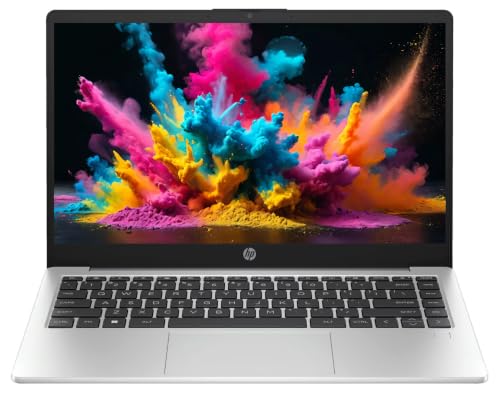
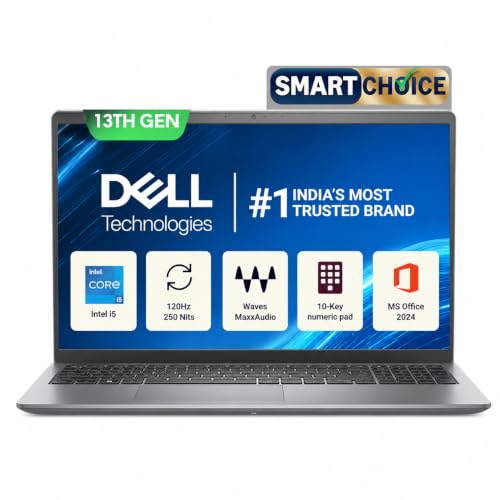
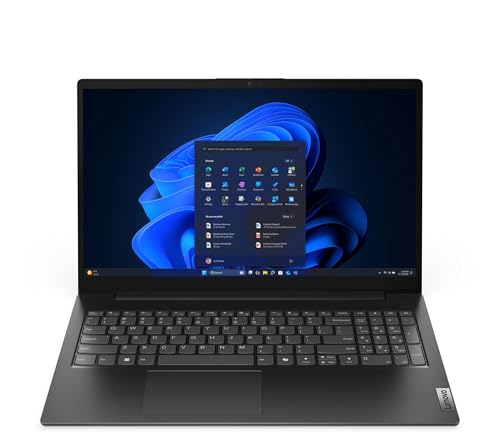
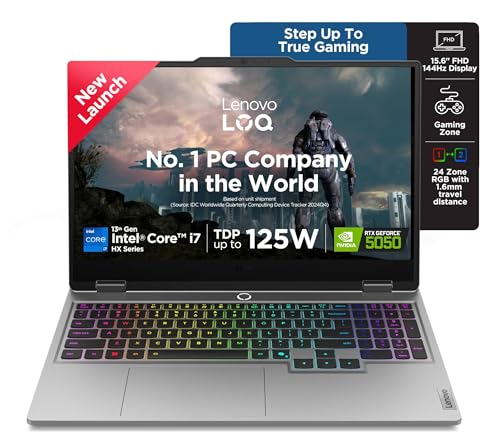
Gaming Laptops
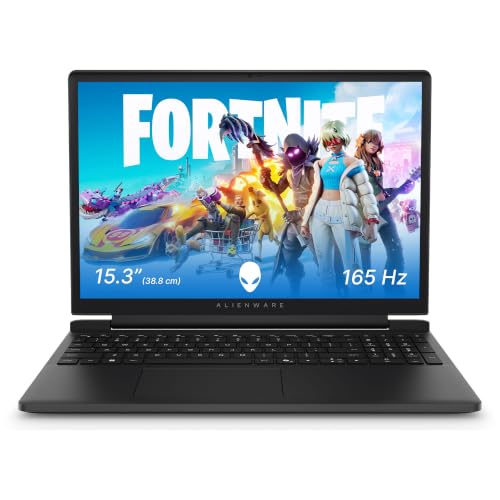
Gaming laptops are designed for higher-performance workloads.
They generally include:
- Powerful processors
- Dedicated graphics cards
- Higher refresh-rate displays
- Advanced cooling
- Larger power adapters
- Performance-oriented memory
- Faster storage
When buying a gaming laptop, pay attention to the GPU as much as the CPU.
A powerful processor paired with a weak graphics card may not provide the gaming performance you expect.
Graphics Cards for Laptops
Dedicated graphics cards can improve performance in:
- Games
- 3D rendering
- Video editing
- CAD
- AI applications
- Creative workloads
NVIDIA GeForce RTX and AMD Radeon graphics are commonly found in performance laptops.
The exact GPU model matters because performance can vary considerably between generations and configurations.
Gaming Display
Gamers should consider:
- Refresh rate
- Response time
- Resolution
- Adaptive sync support
- Color quality
- Brightness
- Screen size
A 144Hz or higher display can provide smoother motion in supported games.
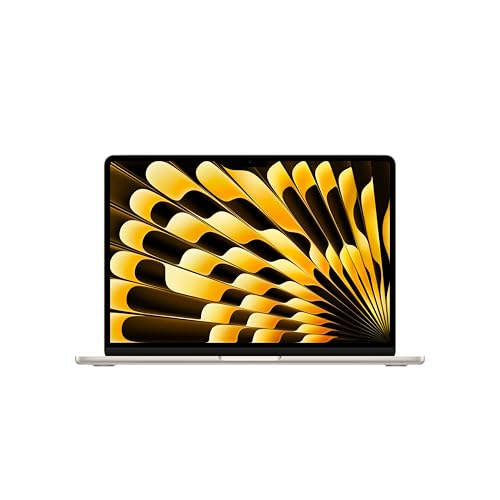
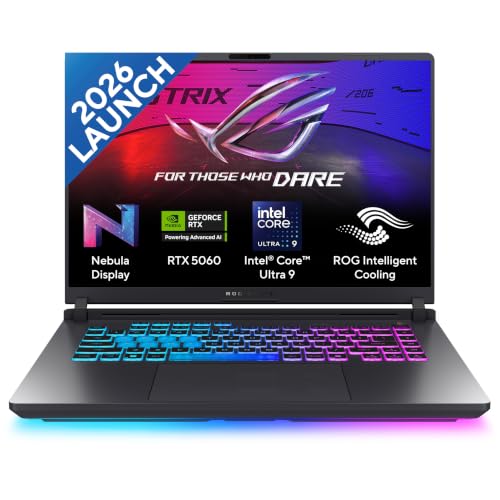
6 – BEST GAMING LAPTOP
Laptops for Content Creators
Content creators may need more powerful hardware than typical office users.
Depending on the workload, consider:
- Powerful multi-core processor
- Dedicated GPU
- 16GB or 32GB RAM
- Fast SSD
- High-resolution display
- Good color accuracy
- Multiple USB ports
- SD card reader
- Strong cooling system
Video editors should also consider GPU acceleration and software compatibility.
Laptop for Video Editing
Video editing can place significant demands on CPU, GPU, RAM, and storage.
For video editing, consider:
- Modern high-performance CPU
- Dedicated GPU
- 16GB or more RAM for demanding projects
- Fast SSD
- High-quality display
- Good thermal management
- Multiple ports
Storage capacity is also important because video files can become very large.
Laptop for Graphic Design
Graphic designers should pay close attention to display quality.
Important specifications include:
- Color accuracy
- Resolution
- Brightness
- Screen size
- GPU performance
- RAM
- SSD storage
A high-quality display can make color-sensitive work more convenient.
7 – BEST LAPTOP FOR CONTENT CREATORS

Laptops for Programming
Programming requirements vary considerably depending on the type of development.
A web developer may have different requirements from someone developing games, mobile applications, or machine-learning software.
For general programming, consider:
- Modern processor
- 16GB RAM where possible
- SSD storage
- Comfortable keyboard
- Good display
- Reliable Wi-Fi
- Multiple ports
- Good battery life
Developers working with virtual machines, containers, large codebases, or local databases may benefit from additional RAM and processing power.
Laptop Keyboard and Touchpad
Keyboard quality is especially important if you type for several hours every day.
Look for:
- Comfortable key travel
- Good key spacing
- Backlighting
- Full-size keyboard where required
- Dedicated function keys
- Responsive touchpad
Business and productivity users should not overlook keyboard quality when comparing laptops.
Laptop Battery Life
Battery life can vary significantly depending on:
- Processor
- Display resolution
- Display brightness
- Battery capacity
- Applications
- GPU usage
- Power settings
- Network usage
Manufacturer battery estimates are often based on controlled testing conditions, so real-world battery life can differ.
If you travel frequently, prioritize laptops designed around efficiency and portability.
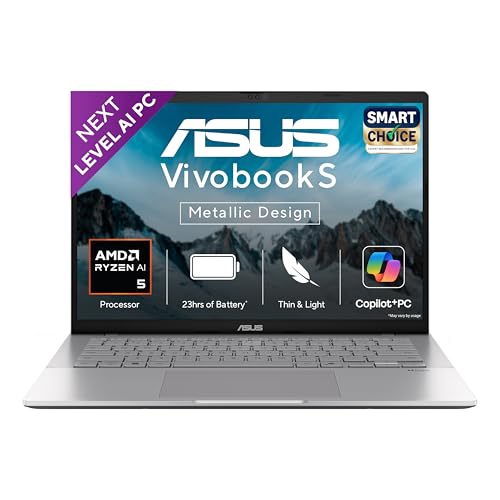
8 – BEST LONG-BATTERY LAPTOP

Lightweight Laptops for Travel
If you frequently carry your laptop to college, work, meetings, or while travelling, weight becomes an important factor.
Ultraportable laptops generally prioritize:
- Lightweight construction
- Thin design
- Long battery life
- Efficient processors
- Compact chargers
- Durable materials
A 13-inch or 14-inch laptop can provide a useful balance between portability and screen space.
Laptop Connectivity
Before buying a laptop, check the available ports.
Depending on your needs, useful ports may include:
- USB-A
- USB-C
- Thunderbolt
- HDMI
- Ethernet
- Headphone jack
- SD card reader
Wireless connectivity is also important.
Look for current Wi-Fi standards and Bluetooth support appropriate to your devices.
USB-C Charging
Many modern laptops support USB-C charging.
USB-C can provide a convenient way to charge compatible devices and connect accessories.
However, not every USB-C port supports the same features. Check the manufacturer’s specifications for:
- Charging
- Display output
- Data transfer
- Thunderbolt support
- USB standard
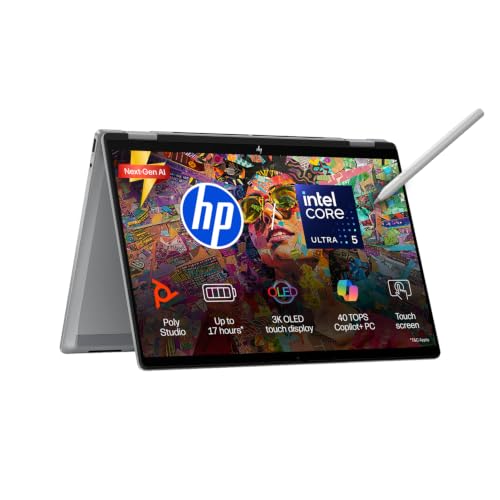
2-in-1 Convertible Laptops
A 2-in-1 laptop can combine traditional laptop functionality with tablet-style operation.
Depending on the design, the screen may fold or rotate.
Benefits can include:
- Touchscreen
- Stylus support
- Flexible viewing modes
- Tablet functionality
- Portable design
These laptops can be particularly useful for note-taking, presentations, drawing, and entertainment.
9 – BEST 2-IN-1 LAPTOP


Windows vs macOS
The operating system can influence your laptop experience.
Windows
Windows laptops are available from many manufacturers and across a wide range of prices.
Advantages include:
- Large selection of hardware
- Broad software compatibility
- Extensive gaming support
- Many price points
- Flexible hardware configurations
macOS
MacBooks run Apple’s macOS operating system.
They can be attractive to users who value:
- Apple ecosystem integration
- Battery efficiency
- Creative software
- Premium build quality
- macOS workflow
Your choice should depend on the applications you use and your preferred ecosystem.
Laptop Build Quality
Build quality can influence durability and portability.
Common laptop materials include:
- Plastic
- Aluminum
- Magnesium alloy
- Carbon-fiber composites
Premium materials do not automatically guarantee better performance, but they can contribute to feel, weight, and durability.
Look for:
- Strong hinges
- Minimal flex
- Quality keyboard
- Durable chassis
- Reliable ports
Laptop Webcam and Microphone
Video conferencing has become an important part of school and office life.
When purchasing a laptop, check:
- Webcam resolution
- Microphone quality
- Camera positioning
- Privacy shutter
- Noise reduction
- IR camera support where applicable
A good webcam can be especially useful for remote workers, students, and professionals.
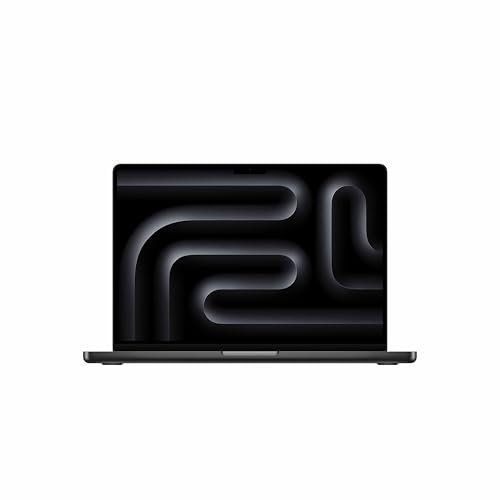
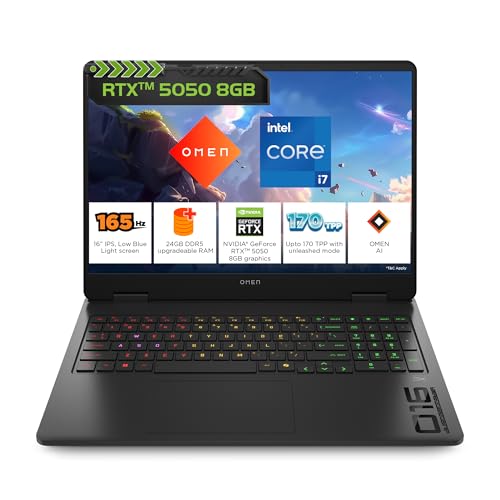
10 – BEST PREMIUM LAPTOP
Laptop Buying Guide by Budget
Your budget can help narrow down your options, but specifications should always be compared carefully.
Budget Laptops
Budget laptops are generally suitable for:
- Web browsing
- Documents
- Online classes
- Basic office work
- Streaming
Look for an SSD, sufficient RAM, and a modern processor.
Mid-Range Laptops
Mid-range laptops can offer a better balance between:
- Performance
- Display quality
- Battery life
- Build quality
- Storage
They can be suitable for students, professionals, programmers, and everyday users.
Premium Laptops
Premium laptops may provide:
- High-end processors
- Premium displays
- Better build materials
- Larger batteries
- Advanced connectivity
- Better speakers
- Dedicated graphics
Laptop Specifications Comparison Checklist
Before purchasing, compare these specifications:
| Specification | What to Check |
|---|---|
| Processor | Generation, cores, performance class |
| RAM | 8GB, 16GB, 32GB or more |
| Storage | SSD capacity |
| Display | Size, resolution, panel, refresh rate |
| Graphics | Integrated or dedicated GPU |
| Battery | Capacity and expected runtime |
| Weight | Portability |
| Keyboard | Comfort and backlighting |
| Webcam | Resolution and features |
| Ports | USB, USB-C, HDMI, etc. |
| Wireless | Wi-Fi and Bluetooth |
| OS | Windows, macOS or other |
| Warranty | Coverage and duration |
Common Laptop Buying Mistakes
Choosing Only by Processor Name
The same processor family can contain models with significantly different performance characteristics.
Buying Too Little RAM
If you regularly multitask, consider 16GB or more depending on your workload.
Ignoring Storage
A small SSD can become restrictive if you store many photos, videos, games, or applications.
Ignoring the Display
Display quality matters if you work long hours or perform creative work.
Forgetting Ports
Make sure the laptop supports the peripherals you plan to use.
Ignoring Weight
If you travel frequently, a heavy laptop can become inconvenient.
Looking Only at the Discount
A large discount does not necessarily mean the product is the right choice.
How to Buy a Laptop Online
Online shopping makes it easy to compare multiple laptop models.
Before ordering, check:
- Exact model number
- Processor
- RAM
- SSD capacity
- Display
- GPU
- Operating system
- Warranty
- Seller
- Customer reviews
- Return policy
- Delivery availability
- Included accessories
Always verify the exact configuration because the same laptop series may be sold with different RAM, storage, processor, and display configurations.
Laptop Maintenance Tips
Proper maintenance can help keep your laptop running smoothly.
Keep Vents Clear
Do not block ventilation openings while using the laptop.
Clean the Keyboard
Remove dust and debris regularly.
Update Software
Keep the operating system and important drivers updated.
Manage Storage
Maintain adequate free storage space.
Protect the Screen
Avoid placing heavy objects on top of the laptop.
Use a Suitable Charger
Use the original charger or a compatible charger meeting the manufacturer’s requirements.
Transport Carefully
Use a protective laptop bag or sleeve when carrying your device.
Frequently Asked Questions About Laptops
Which laptop is best for students?
A good student laptop should offer sufficient performance, comfortable keyboard, SSD storage, good battery life, portability, and a reliable display.
Which laptop is best for office work?
For office work, prioritize a comfortable keyboard, good webcam, reliable connectivity, sufficient RAM, SSD storage, and battery life.
Is 8GB RAM enough for a laptop?
8GB can be sufficient for many basic and everyday tasks, but 16GB can provide more flexibility for multitasking and demanding applications.
Is 16GB RAM better for long-term use?
16GB can provide additional headroom for multitasking and modern applications, making it a useful configuration for many users.
Is SSD better than HDD?
SSDs generally provide faster boot times and application loading than traditional HDDs and are widely used in modern laptops.
Is 512GB SSD enough?
512GB can be enough for many students and office users, but users storing large games, videos, or creative projects may want 1TB or more.
Which laptop is best for gaming?
Gaming laptops should be evaluated based on GPU, CPU, RAM, display refresh rate, cooling, and power configuration.
Which laptop is best for video editing?
Video editors should consider a powerful CPU, dedicated GPU where appropriate, sufficient RAM, fast SSD storage, and a quality display.
Are lightweight laptops good?
Lightweight laptops can be excellent for users who travel frequently, although very thin designs may involve compromises in ports, cooling, or upgradeability depending on the model.
Should I buy a Windows laptop or MacBook?
Choose according to the software you use, preferred ecosystem, hardware requirements, and budget.
What should I check before buying a laptop online?
Check the exact model number, processor, RAM, SSD, display, graphics, battery, warranty, seller, reviews, and return policy.
Final Thoughts
Finding the best laptop in India is not simply about choosing the laptop with the highest specifications. The right choice depends on your individual requirements.
Students may prioritize affordability, portability, battery life, and reliable everyday performance. Office professionals may prefer a comfortable keyboard, good webcam, SSD storage, and strong battery life. Programmers may benefit from additional RAM and processing power, while gamers and content creators may require dedicated graphics and stronger cooling systems.
When shopping for a laptop online, compare the processor, RAM, SSD, display, graphics, battery, weight, ports, operating system, build quality, and warranty.
Remember to check the exact configuration before purchasing because laptop series often have multiple variants.
Whether you need a budget laptop, student laptop, business laptop, gaming laptop, programming laptop, creator laptop, 2-in-1 laptop, or premium laptop, careful comparison can help you find a model that fits your requirements and budget.