
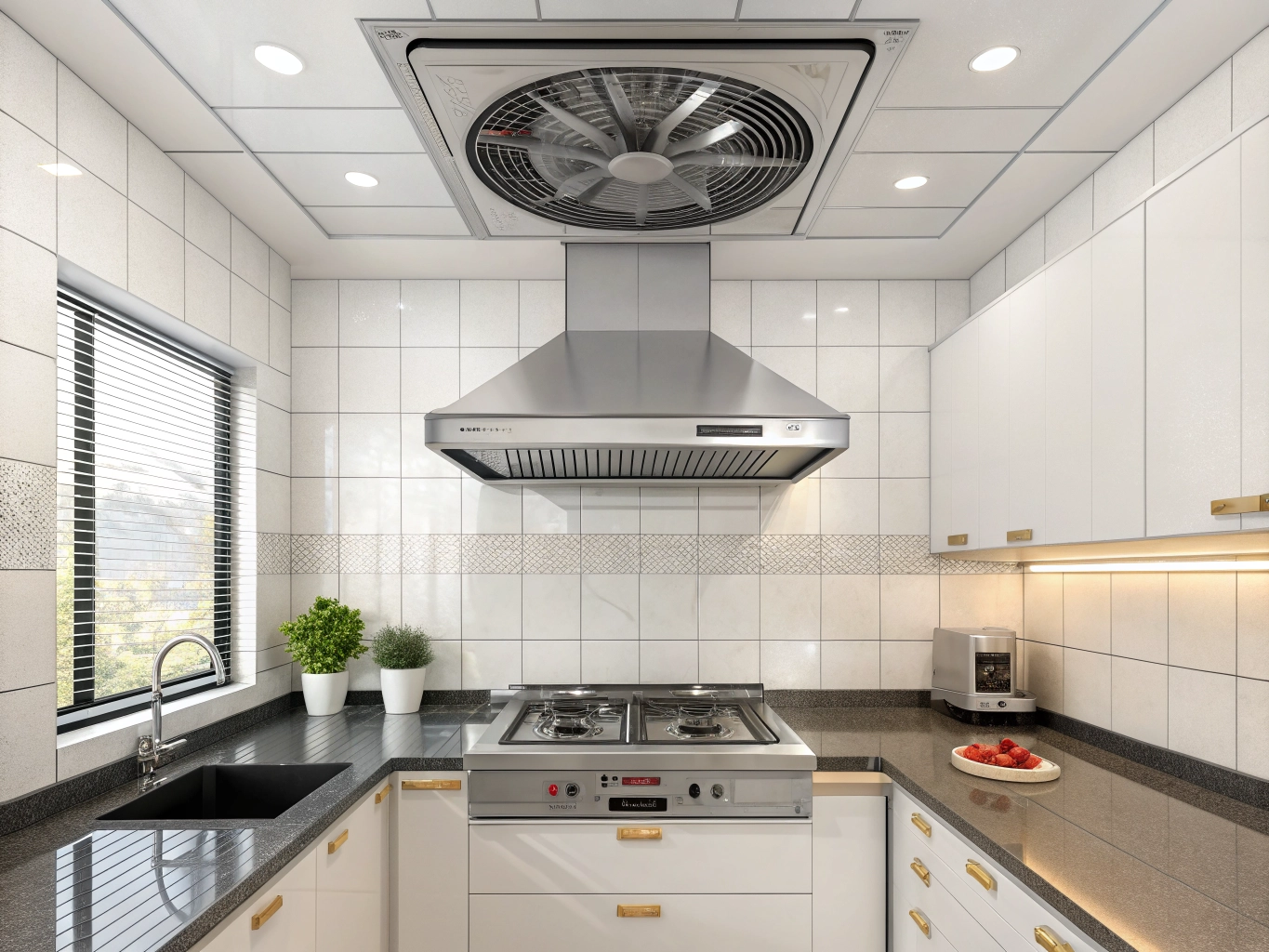
A good exhaust fan is an important appliance for maintaining proper ventilation in kitchens, bathrooms, utility rooms, offices, shops, and other enclosed spaces. Unlike ceiling fans and pedestal fans that mainly circulate air within a room, an exhaust fan is designed to remove stale air, moisture, smoke, heat, odors, and airborne particles from an indoor space.
In Indian homes, exhaust fans are particularly useful in kitchens and bathrooms. Cooking can produce smoke, steam, heat, oil particles, and strong odors, while bathrooms can accumulate moisture and humidity. Installing a suitable exhaust fan can help move unwanted air outside and improve overall ventilation.
With many models available in different sizes, motor capacities, blade designs, materials, and price ranges, choosing the right exhaust fan can be confusing. Factors such as air delivery, RPM, sweep size, motor power, noise level, build quality, installation type, and room size should be considered before making a purchase.
This guide covers everything you need to know about choosing the best exhaust fan in India, including the important features, different types, room-by-room recommendations, maintenance tips, common mistakes, and a detailed buying checklist.
Top 10 Exhaust Fans to Consider
1. Best Exhaust Fan Overall
Why Consider This Exhaust Fan?
Use this space for your overall recommended exhaust fan. Look for a model that combines good air delivery, reliable motor performance, durable construction, manageable noise, and easy installation.
An all-round exhaust fan should be suitable for everyday ventilation in common household applications.

- Sweep 230 mm
- Specially designed metal blade
- Powder coated long lasting finish

- Powerful exhaust fan keeps your indoors fresh: The exhaust fan comes with a strong and powerful motor that runs at a spe…
- Strong & powerful, 100% Copper motor: To keep your indoor environment fresh & hygienic, the exhaust fan is equipped with…
- Aerodynamic blades allow maximum air delivery: The blades of the fan are aerodynamically designed for maximum air delive…
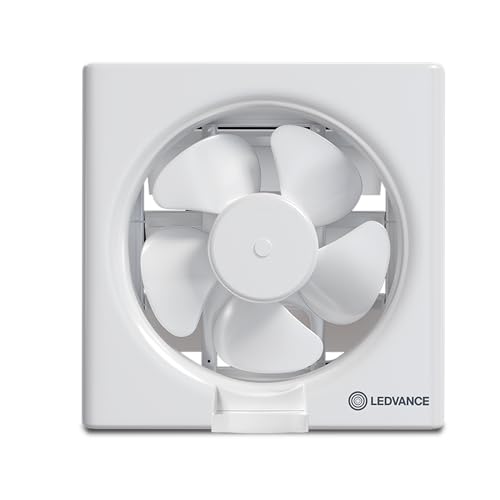
- ★【Silent Performance】: Ensures strong air circulation without disturbing noise.
- ★【Energy Efficient】: Low power consumption for cost-effective operation.
- ★【Automatic Louvers】: Shutter louvers open/close automatically to block dust and insects.
2. Best Budget Exhaust Fan
Why Consider This Exhaust Fan?
A budget exhaust fan can be suitable for shoppers who need basic ventilation without spending too much.
When selecting a budget model, compare air delivery, motor quality, blade material, warranty, and customer reviews instead of choosing solely based on price.
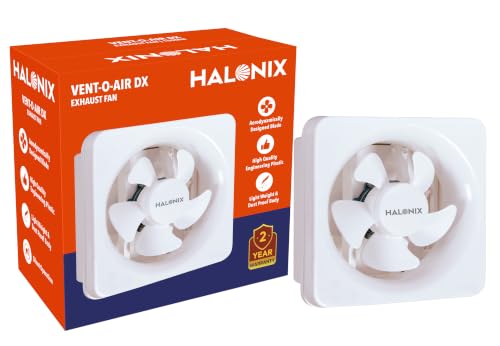
- Powerful High Air Delivery-The Halonix 250mm (10 Inch) Vent-O-Air DX Exhaust Fan features a high-performance motor and a…
- Low Noise Operation-Designed for smooth and quiet performance, this low-noise exhaust fan provides efficient ventilation…
- Premium Design & Durable Build-Crafted with a stylish white finish and a robust ABS body, the Vent-O-Air DX complements …
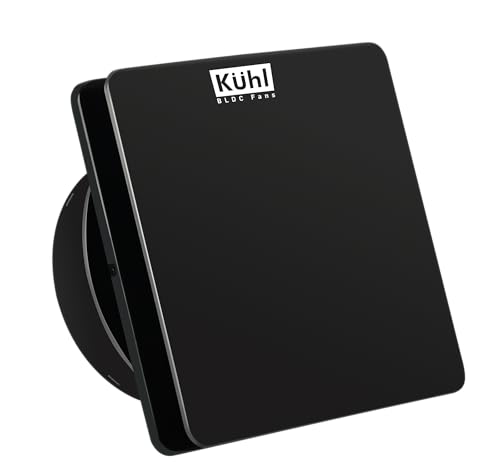
- ENERGY-EFFICIENT BLDC TECHNOLOGY: Kühl Ventis 6″ exhaust fan comes with an energy-efficient BLDC motor. This fan consume…
- PRODUCT FEATURES: Kühl Ventis 6″exhaust fan offers high air suction of 245 CMH at a speed of 2000 RPM with a sweep size …
- BEE label Period: 1-Jan-2026 to 31-Dec-2028
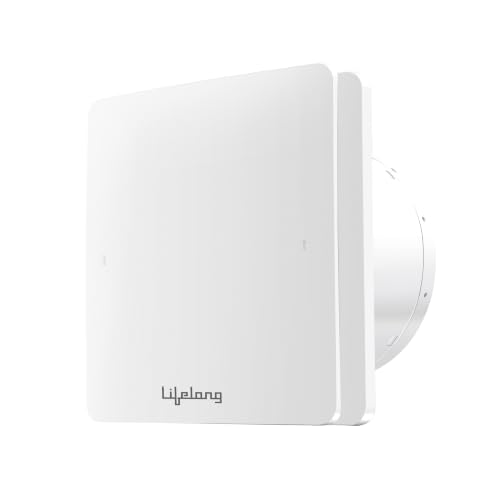
- The Lifelong 150mm BLDC Exhaust Fan keeps your home fresh, clean, and odor-free. Built with a durable, rust-proof ABS bo…
- Energy-Saving BLDC Motor: ⚡ Powered by an advanced BLDC motor that uses just 6W of electricity. It saves up to 65% on mo…
- High-Speed Airflow: 🌀 Delivers a powerful air suction capacity of 275 CMH at a rapid 2300 RPM. It quickly clears out hea…
3. Best Exhaust Fan for Kitchen
Why Consider This Exhaust Fan?
Kitchen exhaust fans need to deal with heat, steam, cooking odors, and airborne particles.
Look for an appropriate size, good airflow, easy-to-clean construction, and materials suitable for the kitchen environment.
An exhaust fan should complement—not replace—a suitable kitchen chimney or other ventilation system when one is required.
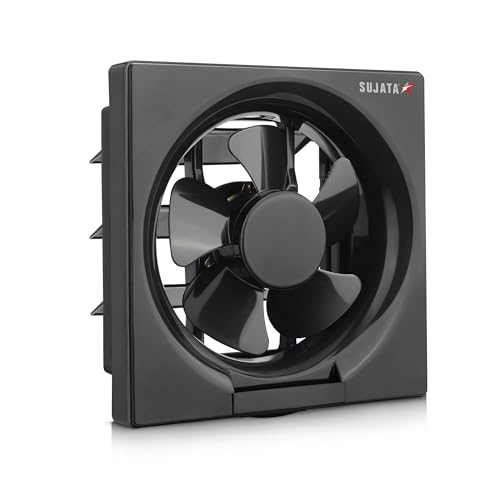
- 200mm Sweep Size for Efficient Ventilation – Designed to provide powerful and consistent air circulation for medium-size…
- Ideal for Multiple Spaces – Suitable for kitchens, bathrooms, bedrooms, offices, and other indoor areas.
- Quick Removal of Smoke & Odors – Effectively clears stale air, bad smells, and excess moisture to maintain freshness.

- SLEEK DESIGN: Atomberg Studio Exhaust has a sleek, stylish, and sturdy design with ABS construction. Easy to clean front…
- PERFORMANCE: Silent operation coupled with high air suction of 250 CMH with 2000 RPM
- VIBRATION FREE: Atomberg Studio exhaust is silent and is free from vibration.
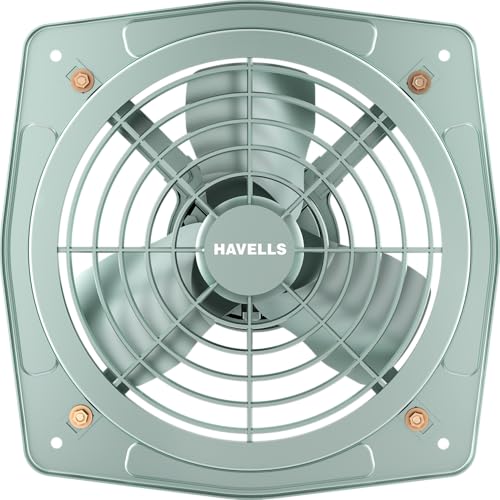
- With bird guard to protect the fan in running condition; Rated Speed: 1350 revolution per minute. Remote control option …
- Powder coated metallic finish, Guard: 29 Spokes, Noise level: (45 – 50) dB, Air Delivery: 1400 RPM, Rated voltage: 230 V…
- Sturdy steel bird guard with Specially designed metal blade
4. Best Exhaust Fan for Bathroom
Why Consider This Exhaust Fan?
Bathroom exhaust fans help remove humid air and improve ventilation.
For bathrooms, consider a compact model with suitable airflow, corrosion-resistant construction, and appropriate electrical installation for the environment.

- Performance: Sweep Size: 200 mm, Cut Out Size: Sq. 242 x 242 mm Power: 35 Watt, Air Delivery Rate: 490 CMH, RPM: 1350, S…
- Strong Air Suction: The motor produces an RPM of 1350 that enables this ventilation fan to draw out stale air quickly an…
- Blade Design: The blades are specially designed to produce the highest amount of rotation making the ventilation process…
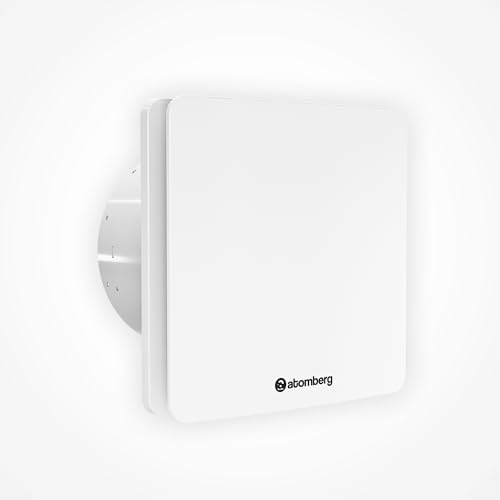
- SLEEK DESIGN: Atomberg Studio Exhaust has a Sleek, stylish, and sturdy design with ABS construction. Easy to clean front…
- PERFORMANCE: Silent operation coupled with high air suction of 250 CMH with 2000 RPM.
- VIBRATION FREE: Atomberg Studio exhaust is silent and is free from vibration.
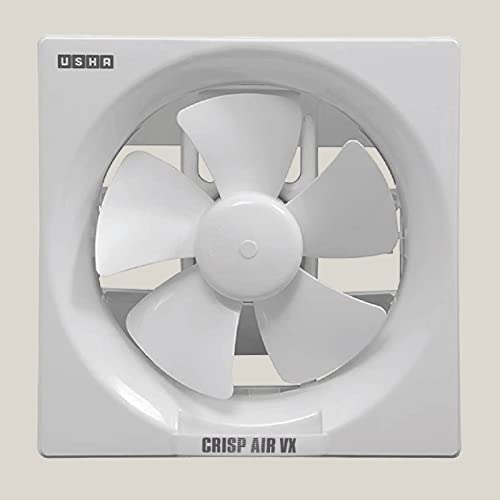
- High Suction at low noise with aerodynamically designed blades
- Powerful 100% copper motor ensures robust performance
- Sleek and Stylish design: Ideal for any bathroom or kitchen
5. Best High-Speed Exhaust Fan
Why Consider This Exhaust Fan?
High-speed exhaust fans are designed for applications where faster air movement is desirable.
Check both RPM and air delivery specifications. A higher RPM alone does not necessarily mean that a fan will provide the best ventilation for every room.
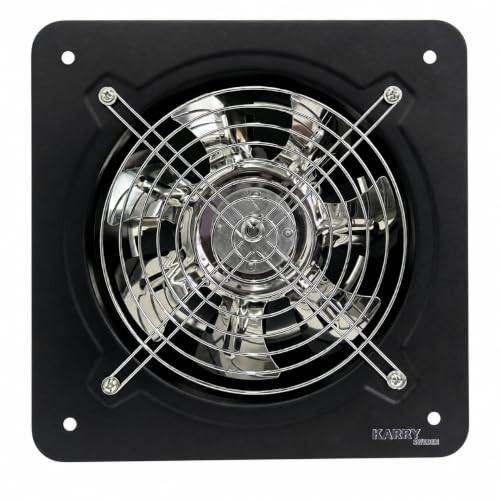
- EXTRA SILENT OPERATION – Designed for low noise performance to provide effective ventilation without disturbing your hom…
- HIGH SPEED POWER MOTOR – Equipped with a powerful motor that helps remove stale air humidity odors and smoke quickly for…
- SUITABLE FOR MULTIPLE SPACES – Ideal for bathrooms kitchens offices utility rooms washrooms and other indoor areas requi…
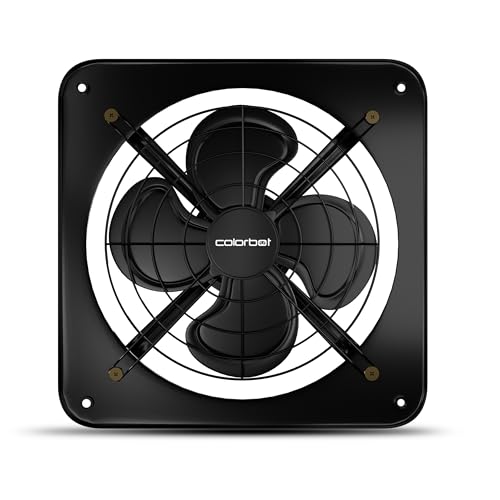
- Energy-Efficient BLDC Motor: With BLDC technology, it uses only 10W of power, and saves up to 65% electricity.
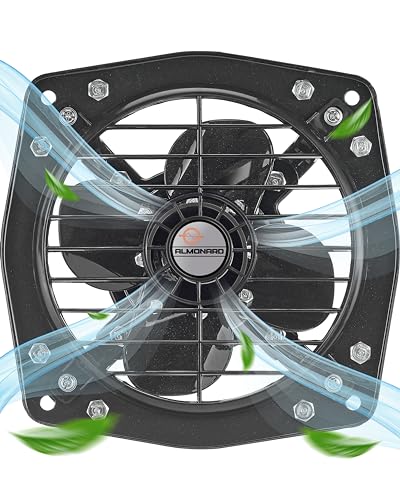
- Reversible Air Suction: Suck in fresh air and expel stale, hot air with the Almonard in and out exhaust fan. Designed wi…
- Powerful Performance: Our high speed exhaust fan for room is fitted with 4 balanced aluminum blades and a motor capacito…
- Robust and Durable: Built for long-lasting performance, our 300mm exhaust fan for home has a robust full powder-coated b…
6. Best Exhaust Fan for Large Rooms
Why Consider This Exhaust Fan?
Larger rooms may require higher air movement to remove unwanted air effectively.
Choose the fan according to room size, installation opening, air delivery, and ventilation requirements.
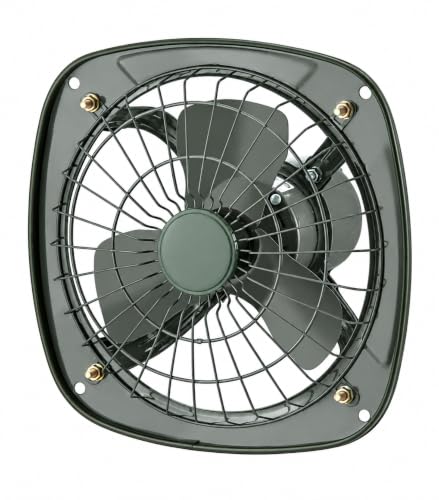
- 9 INCH EXHAUST FAN: Powerful ventilation fan designed to efficiently remove heat, humidity, odours, and stale air from i…
- DURABLE METAL BODY: Constructed with a sturdy metal body and protective wire grille, ensuring long-lasting performance a…
- POWERFUL MOTOR: Equipped with a robust motor that delivers strong, consistent airflow for effective ventilation in bathr…

- Built with a durable powder-coated metal body, this 250 mm exhaust fan brings both style and resilience to kitchens, bat…
- Equipped with a fast-spinning 1200 RPM motor, it swiftly eliminates steam, smoke, and odors for a fresher indoor atmosph…
- The compact 250 mm sweep ensures a perfect wall or window installation without sacrificing airflow.
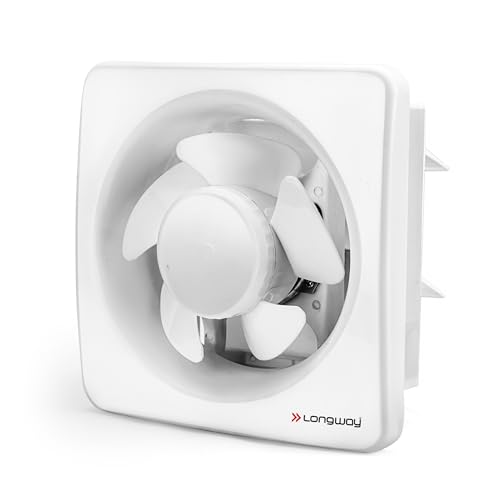
- HIGH SPEED AIR FLOW WITH LOW NOISE: This exhaust fan delivers a powerful airflow with minimal noise, ensuring proper ven…
- POWERFUL MOTOR FOR RELIABLE PERFORMANCE: Equipped with a robust motor, this fan ensures long-lasting durability and effi…
- 8-INCH BLADE WITH OPTIMAL EFFICIENCY: Featuring a 1450 RPM speed and a 200mm cut-out size, this exhaust fan operates at …
7. Best Exhaust Fan for Small Rooms
Why Consider This Exhaust Fan?
Small bathrooms, utility areas, compact kitchens, and other enclosed spaces may benefit from a compact exhaust fan.
Make sure the product dimensions match the available wall or window opening before ordering.
- Powerful exhaust fan keeps your indoors fresh: The exhaust fan comes with a strong and powerful motor that runs at a spe…
- Strong & powerful, 100% Copper motor: To keep your indoor environment fresh & hygienic, the exhaust fan is equipped with…
- Aerodynamic blades allow maximum air delivery: The blades of the fan are aerodynamically designed for maximum air delive…
- SLEEK DESIGN: Atomberg Studio Exhaust has a Sleek, stylish, and sturdy design with ABS construction. Easy to clean front…
- PERFORMANCE: Silent operation coupled with high air suction of 250 CMH with 2000 RPM.
- VIBRATION FREE: Atomberg Studio exhaust is silent and is free from vibration.
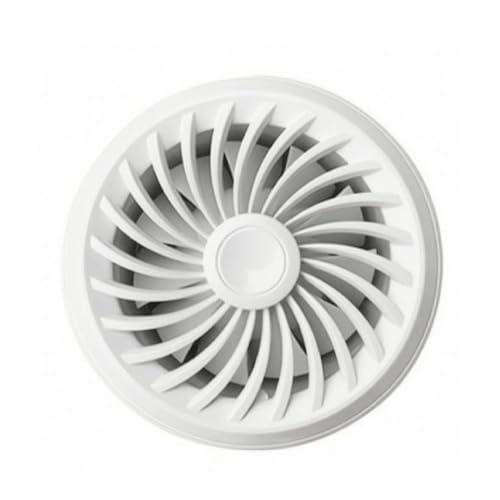
- 【Core Identity】: A Standalone 12V Exhaust Fan Designed To Provide Reliable And Continuous Air Circulation In Compact Are…
- 【Primary Function】: This Efficient Ventilation Fan Actively Draws Out Stale Air, Moisture, And Persistent Odors To Keep …
- 【Unique Design】: Featuring A White Cylindrical Housing And A Circular Front Grille With Curved Blades, This Round Exhaus…
8. Best Exhaust Fan with Automatic Shutter
Why Consider This Exhaust Fan?
Some exhaust fans include shutters that open when the fan operates and close when it is switched off.
This design can help prevent unwanted airflow and insects from entering through the opening, depending on the specific product and installation.
- Powerful exhaust fan keeps your indoors fresh: The exhaust fan comes with a strong and powerful motor that runs at a spe…
- Strong & powerful, 100% Copper motor: To keep your indoor environment fresh & hygienic, the exhaust fan is equipped with…
- Aerodynamic blades allow maximum air delivery: The blades of the fan are aerodynamically designed for maximum air delive…
- ★【Silent Performance】: Ensures strong air circulation without disturbing noise.
- ★【Energy Efficient】: Low power consumption for cost-effective operation.
- ★【Automatic Louvers】: Shutter louvers open/close automatically to block dust and insects.
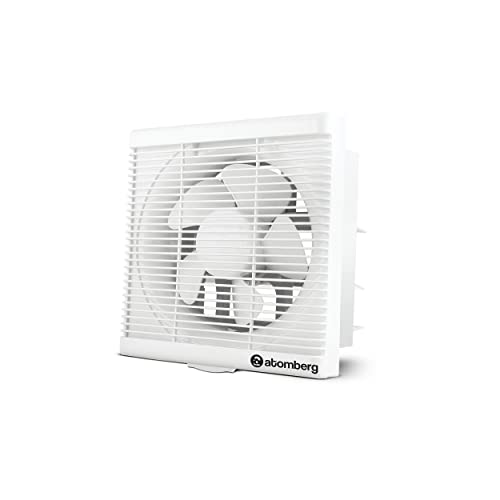
- ENERGY-EFFICIENT BLDC TECHNOLOGY: Atomberg Efficio exhaust fan comes with an energy-efficient BLDC motor. This fan consu…
- PRODUCT FEATURES: Atomberg Efficio exhaust fan offers high air suction of 360 CMH at a speed of 2000 RPM with a sweep si…
- RELIABILITY: Atomberg Efficio is an exhaust fan from the Atomberg portfolio, makers of India’s No. 1 BLDC fans, with ove…
9. Best Energy-Efficient Exhaust Fan
Why Consider This Exhaust Fan?
If an exhaust fan is used frequently, power consumption can be an important consideration.
Look for a model that offers suitable airflow while using a reasonable amount of electrical power.
- ENERGY-EFFICIENT BLDC TECHNOLOGY: Kühl Ventis 6″ exhaust fan comes with an energy-efficient BLDC motor. This fan consume…
- PRODUCT FEATURES: Kühl Ventis 6″exhaust fan offers high air suction of 245 CMH at a speed of 2000 RPM with a sweep size …
- BEE label Period: 1-Jan-2026 to 31-Dec-2028
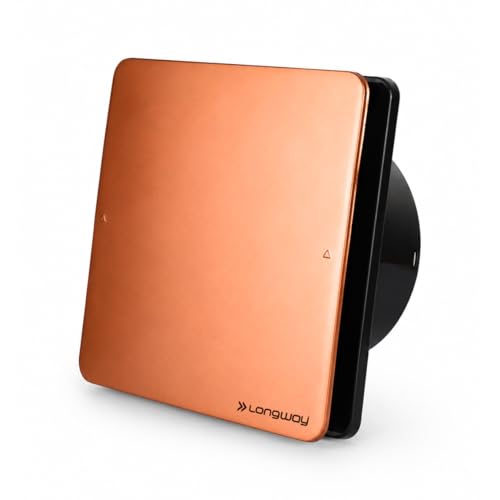
- HIGH SPEED AIR FLOW WITH LOW NOISE: This exhaust fan delivers a powerful airflow with minimal noise, ensuring proper ven…
- POWERFUL MOTOR FOR RELIABLE PERFORMANCE: Equipped with a robust motor, this fan ensures long-lasting durability and effi…
- 6-INCH BLADE WITH OPTIMAL EFFICIENCY: Featuring a 2280 RPM speed and a 150mm cut-out size, this exhaust fan operates at …

- ✅【Better Air Quality 】Experience better air quality with the Polycab Freshly Prime 150mm Air Exhaust Fan, ideal for your…
- ✅【Distinctive Sleek Design】Improve air quality and enhance aesthetics with a Stylish Exhaust Fan.
- ✅【High Speed】Aerodynamic blades , 100% Copper Winding, High Speed Powerful, Noiseless ventilation.
10. Best Premium Exhaust Fan
Why Consider This Exhaust Fan?
A premium exhaust fan may offer improved materials, stronger motors, better finishing, lower noise, automatic shutters, advanced controls, or other convenience features.
This category can be used for buyers who want additional features or higher-end construction.
- EXTRA SILENT OPERATION – Designed for low noise performance to provide effective ventilation without disturbing your hom…
- HIGH SPEED POWER MOTOR – Equipped with a powerful motor that helps remove stale air humidity odors and smoke quickly for…
- SUITABLE FOR MULTIPLE SPACES – Ideal for bathrooms kitchens offices utility rooms washrooms and other indoor areas requi…
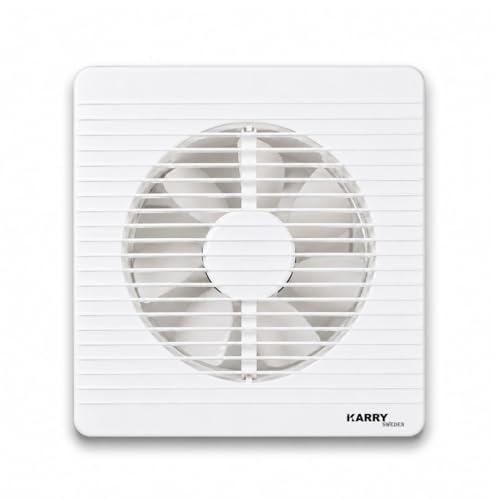
- Powerful High-Speed Air Ventilation – Equipped with a 2600 RPM motor that efficiently removes smoke, odors, humidity, an…
- Extra Silent Performance – Designed for low-noise operation, making it ideal for bathrooms, kitchens, offices, bedrooms,…
- Protective Insect-Blocking Shutter – Features a specially designed outer shutter that helps prevent mosquitoes, insects,…
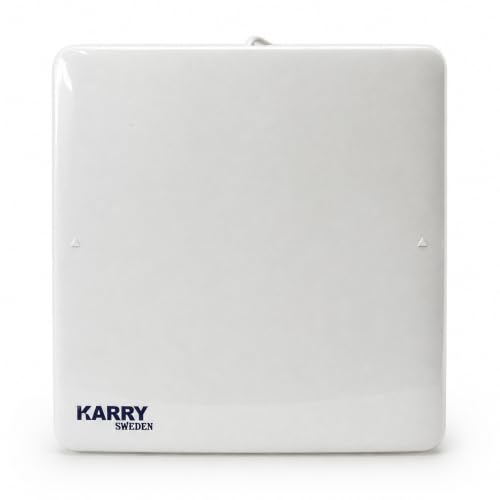
- Powerful High-Speed Air Ventilation – Equipped with a 2600 RPM motor that efficiently removes smoke, odors, humidity, an…
- Extra Silent Performance – Designed for low-noise operation, making it ideal for bathrooms, kitchens, offices, bedrooms,…
- Protective Insect-Blocking Shutter – Features a specially designed outer shutter that helps prevent mosquitoes, insects,…
What Is an Exhaust Fan?
An exhaust fan is an electrically powered ventilation device designed to move indoor air toward the outside.
Instead of simply circulating air around the room, an exhaust fan creates airflow through an opening in a wall, window, or other suitable location.
It can help remove:
- Smoke
- Cooking odors
- Steam
- Humidity
- Hot air
- Stale air
- Certain airborne particles
The effectiveness of an exhaust fan depends on factors such as fan capacity, room size, installation location, airflow path, and the availability of replacement air.
Why Do You Need an Exhaust Fan?
There are several reasons to install an exhaust fan.
1. Kitchen Ventilation
Cooking can create smoke, heat, steam, and strong smells.
An exhaust fan can help move unwanted air outside.
2. Bathroom Ventilation
Bathrooms can become humid after bathing.
Ventilation can help reduce moisture accumulation and improve air movement.
3. Odor Removal
An exhaust fan can help remove unwanted odors from enclosed spaces.
4. Heat Removal
In certain rooms, an exhaust fan can help remove hot air.
5. Stale Air Removal
Proper ventilation can help replace stale indoor air with fresh air from another source.
How Does an Exhaust Fan Work?
An exhaust fan uses an electric motor to rotate blades.
The rotating blades move air toward an external opening. As air is removed from the room, replacement air enters through doors, windows, vents, or other openings.
For an exhaust fan to work effectively, there needs to be a reasonable path for fresh replacement air to enter.
A completely sealed room may not allow an exhaust fan to operate as effectively as a room with an appropriate air inlet.
Exhaust Fan vs Ceiling Fan
These two fans perform different functions.
| Feature | Exhaust Fan | Ceiling Fan |
|---|---|---|
| Main Purpose | Remove indoor air | Circulate indoor air |
| Removes Smoke | Yes | No |
| Removes Moisture | Yes | No |
| General Air Circulation | Limited | Yes |
| Kitchen Use | Common | Also possible for circulation |
| Bathroom Ventilation | Common | Not a substitute |
| Installation | Wall/window/opening | Ceiling |
A ceiling fan can make a room feel cooler by circulating air, while an exhaust fan is intended to move indoor air out of the space.
Exhaust Fan vs Kitchen Chimney
An exhaust fan and kitchen chimney are not exactly the same appliance.
A kitchen chimney is designed to capture cooking fumes near the cooking surface and filter or exhaust them depending on its design.
An exhaust fan generally removes air from the room through a wall or window opening.
For kitchens with heavy cooking, a chimney can provide localized capture, while an exhaust fan can contribute to general room ventilation.
Types of Exhaust Fans
Exhaust fans are available in different designs.
1. Wall-Mounted Exhaust Fans
These are installed directly into a suitable wall opening.
They are commonly used in kitchens, bathrooms, shops, and utility rooms.
2. Window Exhaust Fans
These are designed for installation in window openings or similar spaces.
3. Bathroom Exhaust Fans
These are often compact and designed for moisture-prone spaces.
4. Kitchen Exhaust Fans
These are designed for ventilation in cooking areas.
5. Industrial Exhaust Fans
Industrial models are designed for larger spaces and heavier ventilation requirements.
6. Exhaust Fans with Shutters
These may use manual or automatic shutters to cover the opening when the fan is not operating.
Important Exhaust Fan Specifications
Understanding specifications can make shopping easier.
Air Delivery
Air delivery is one of the most important specifications.
It indicates how much air the fan can move over a given period.
When comparing different exhaust fans, compare their stated airflow specifications.
RPM
RPM means Revolutions Per Minute.
It describes how quickly the fan blades rotate.
However, a higher RPM does not automatically guarantee better ventilation.
Sweep Size
Sweep refers to the diameter covered by the rotating blades.
Larger fans can generally move more air, but the correct size depends on the application and installation opening.
Motor Power
Motor power indicates electrical input and can provide useful information when comparing models.
However, higher wattage should not automatically be interpreted as better performance.
Noise
Noise level can be important in bedrooms, bathrooms near sleeping areas, offices, and other quiet environments.
What Is Air Delivery?
Air delivery is an important measure when choosing an exhaust fan.
It describes the amount of air moved by the fan over a specified period.
A fan with suitable air delivery can remove unwanted air more effectively when correctly installed.
When shopping online, check the manufacturer’s specifications rather than relying only on marketing terms such as “powerful” or “high speed.”
Choosing the Right Exhaust Fan Size
The correct fan size depends on:
- Room dimensions
- Installation opening
- Ventilation requirements
- Ceiling height
- Type of room
- Air replacement availability
Common exhaust fan sizes vary by manufacturer and model.
Always measure the existing opening before buying a replacement fan.
Do not assume that every fan of the same nominal size will fit exactly into the same opening.
Best Exhaust Fan for Kitchen
The kitchen is one of the most common places to install an exhaust fan.
During cooking, the room can accumulate:
- Smoke
- Steam
- Heat
- Cooking odors
- Oil particles
A suitable exhaust fan can help move unwanted air outside.
Kitchen Buying Tips
Look for:
- Good air delivery
- Suitable fan size
- Easy-to-clean surfaces
- Durable materials
- Reliable motor
- Appropriate installation
- Reasonable noise
For heavy cooking, consider using a kitchen chimney in addition to general ventilation.
Best Exhaust Fan for Bathroom
Bathrooms can have high humidity levels, particularly after hot showers.
An exhaust fan can help move humid air outside.
When choosing a bathroom exhaust fan, consider:
- Compact design
- Suitable airflow
- Moisture-resistant construction
- Corrosion resistance
- Low noise
- Appropriate electrical installation
Electrical installations in bathrooms should be carried out according to applicable safety requirements by a qualified professional.
Exhaust Fan for Bedroom
Exhaust fans are not typically the primary fan for bedroom cooling.
However, they can be useful for ventilation in bedrooms that have poor natural airflow.
For a bedroom exhaust fan, consider:
- Low noise
- Suitable airflow
- Compact design
- Shutter
- Energy consumption
A ceiling or pedestal fan is generally more suitable when the primary objective is personal cooling.
Exhaust Fan for Office
Offices may benefit from exhaust ventilation in enclosed rooms, kitchens, utility areas, and other spaces where stale air or odors accumulate.
Consider:
- Low noise
- Suitable air delivery
- Reliable motor
- Easy maintenance
- Appropriate size
Exhaust Fan for Shop
Shops, salons, workshops, and small commercial spaces may require ventilation to remove heat, odors, or stale air.
The appropriate exhaust fan depends on the size and nature of the space.
For larger commercial areas, consider professional ventilation requirements rather than simply choosing a household fan.
Exhaust Fan for Utility Room
Laundry and utility areas can experience moisture and heat.
An exhaust fan can improve ventilation when properly installed.
Choose a model suitable for the size and conditions of the room.
Automatic Shutter vs Manual Shutter
Some exhaust fans include shutters.
Automatic Shutter
An automatic shutter can open when the fan operates and close after the fan is switched off.
Manual Shutter
A manual shutter must be opened or closed by the user.
Automatic shutters can provide additional convenience, but the specific mechanism should be checked before purchase.
Why Is a Shutter Useful?
A shutter can help cover the exhaust opening when the fan is not operating.
Depending on its design, it may help:
- Reduce unwanted drafts
- Limit dust entry
- Reduce insect entry
- Improve appearance
- Protect the opening
Performance varies by model and installation.
Exhaust Fan Blade Materials
Exhaust fan blades can be made from different materials.
Plastic Blades
Plastic blades are lightweight and can be easy to clean.
Metal Blades
Metal blades can provide durability and strength.
Aluminium Blades
Aluminium can provide a lightweight and corrosion-resistant option depending on the construction and finish.
When buying a fan for a humid or kitchen environment, consider the material and corrosion resistance.
Plastic vs Metal Exhaust Fans
| Feature | Plastic | Metal |
|---|---|---|
| Weight | Generally lighter | Generally heavier |
| Corrosion | Often resistant | Depends on material/coating |
| Cleaning | Usually easy | Usually easy |
| Durability | Varies | Can be strong |
| Design Options | Many | Many |
The overall quality of the motor, blades, housing, and construction matters more than material alone.
How Much Electricity Does an Exhaust Fan Use?
Electricity consumption depends on the fan’s wattage and operating time.
For example, if a 40-watt exhaust fan operates for 8 hours:
40 watts × 8 hours = 320 Wh
That equals:
0.32 kWh
Actual consumption depends on the fan’s rated power and operating conditions.
To estimate cost:
Electricity Cost = Units Consumed × Your Electricity Tariff
How to Reduce Exhaust Fan Electricity Consumption
You can reduce unnecessary energy use by:
- Switching the fan off when ventilation is no longer needed
- Cleaning the blades regularly
- Keeping the air path clear
- Choosing an appropriately sized fan
- Selecting an efficient model
- Maintaining the motor properly
Using a very large fan for a small room may not be necessary.
Is a High-Speed Exhaust Fan Better?
Not always.
A high-speed fan may move air quickly, but effective ventilation depends on multiple factors.
Consider:
- Air delivery
- Room size
- Installation position
- Fan sweep
- Motor performance
- Air inlet
- Duct or opening design
A correctly sized fan can provide better results than simply selecting the highest RPM model.
Exhaust Fan Noise
Noise can be an important factor.
A fan installed near a bedroom or office may need quieter operation.
Customer reviews can be useful for identifying complaints about:
- Motor noise
- Blade noise
- Vibration
- Rattling
- Shutter noise
Always consider the fan’s stated specifications where available.
Exhaust Fan Installation
Installation location has a significant impact on performance.
Ideally, the fan should be installed where it can efficiently remove unwanted air.
For example:
- Kitchen: near the area where heat and cooking odors accumulate
- Bathroom: where humid air can be removed effectively
- Utility room: where moisture and stale air accumulate
The exact location depends on the room layout and available exterior opening.
Electrical installation should be performed safely and according to applicable regulations.
Why Fresh Air Inlet Matters
An exhaust fan removes air from a room.
For continuous ventilation, replacement air needs to enter.
This can happen through:
- Doors
- Windows
- Ventilation openings
- Dedicated air inlets
If a room is completely sealed, airflow through an exhaust fan can be restricted.
Exhaust Fan Maintenance Tips
Regular maintenance can improve performance.
Clean the Blades
Dust can accumulate on the blades and affect airflow.
Clean the Grill
Keep the protective grill free from excessive dust and grease.
Check the Shutter
If your fan has a shutter, make sure it opens and closes properly.
Check for Unusual Noise
Rattling or grinding sounds should be investigated.
Check for Vibration
Excessive vibration may indicate a mechanical or installation problem.
Kitchen Cleaning
Kitchen exhaust fans can accumulate grease and should be cleaned according to the manufacturer’s instructions.
How to Clean a Kitchen Exhaust Fan
Kitchen exhaust fans can become greasy over time.
General cleaning steps include:
- Switch off the power.
- Unplug or isolate the electrical supply where appropriate.
- Wait for the blades to stop completely.
- Remove the grill if the manufacturer allows it.
- Clean dust and grease from removable parts.
- Wipe the housing carefully.
- Allow washable components to dry completely.
- Reassemble correctly.
- Check the fan before normal use.
Never allow water or cleaning liquid to enter the motor or electrical components.
Bathroom Exhaust Fan Maintenance
Bathroom exhaust fans can accumulate dust and moisture-related deposits.
Clean the fan regularly and check for signs of corrosion.
If the fan develops unusual electrical behavior, stop using it and have it inspected by a qualified professional.
Common Exhaust Fan Problems
Exhaust Fan Not Working
Possible causes include:
- Power supply issue
- Faulty switch
- Damaged wiring
- Motor failure
Fan Running Slowly
Possible causes may include:
- Motor problem
- Electrical component failure
- Dust accumulation
- Mechanical resistance
Excessive Noise
Possible causes can include:
- Loose components
- Blade imbalance
- Worn bearings or other components
- Installation issues
Shutter Not Opening
Possible causes may include:
- Dust accumulation
- Mechanical obstruction
- Faulty shutter mechanism
For electrical or motor problems, professional servicing is recommended.
Common Exhaust Fan Buying Mistakes
Mistake 1: Choosing Only by Price
The cheapest model may not provide the required airflow or durability.
Mistake 2: Ignoring Air Delivery
Air delivery is one of the most useful specifications for comparing ventilation fans.
Mistake 3: Choosing Based Only on RPM
RPM alone doesn’t describe complete airflow performance.
Mistake 4: Ignoring the Installation Opening
Always measure the available opening before buying.
Mistake 5: Ignoring Noise
Noise can be important for bathrooms near bedrooms and office environments.
Mistake 6: Forgetting About Maintenance
Kitchen fans especially may require regular cleaning.
Mistake 7: Ignoring Warranty
Check warranty coverage before purchase.
How to Choose the Best Exhaust Fan
Follow these steps before buying:
Step 1: Identify the Room
Decide whether the fan is for a kitchen, bathroom, office, shop, utility room, or another space.
Step 2: Measure the Opening
Measure the available installation area.
Step 3: Check Room Size
Consider the volume of air that needs to be ventilated.
Step 4: Compare Air Delivery
Choose an appropriate airflow specification.
Step 5: Check RPM
Use RPM as one comparison factor, not the only factor.
Step 6: Check Motor Power
Compare power consumption and performance.
Step 7: Consider Noise
Look for quieter models where necessary.
Step 8: Check Construction
Consider blade and housing materials.
Step 9: Check Shutter Type
Decide whether automatic or manual shutter operation is preferred.
Step 10: Compare Reviews and Warranty
Read customer feedback and verify warranty details.
Exhaust Fan Buying Checklist
Before purchasing, check:
☑ Correct fan size
☑ Suitable installation opening
☑ Appropriate air delivery
☑ Suitable RPM
☑ Reliable motor
☑ Reasonable power consumption
☑ Suitable blade material
☑ Durable housing
☑ Shutter type
☑ Noise level
☑ Room suitability
☑ Warranty
☑ Customer reviews
☑ Seller information
☑ Return/replacement policy
☑ Current price
Frequently Asked Questions
What is an exhaust fan used for?
An exhaust fan is primarily used to remove unwanted indoor air such as smoke, steam, odors, humidity, heat, and stale air.
Is an exhaust fan useful in the kitchen?
Yes. It can help remove cooking-related heat, odors, steam, and unwanted air. For heavy cooking, a kitchen chimney may also be useful.
Is an exhaust fan necessary in a bathroom?
A bathroom exhaust fan can be useful for removing humid air and improving ventilation, especially where natural ventilation is limited.
What size exhaust fan should I buy?
The appropriate size depends on the room, installation opening, and required airflow. Always check manufacturer specifications and measure the opening before purchasing.
Is higher RPM better for an exhaust fan?
Not necessarily. Air delivery, blade design, motor performance, room size, and installation also affect ventilation.
Does an exhaust fan remove kitchen smoke?
It can help remove smoke and cooking air, but its effectiveness depends on its capacity, location, airflow path, and room ventilation.
Can an exhaust fan replace a kitchen chimney?
Not necessarily. A chimney is designed to capture cooking fumes near the cooktop, while an exhaust fan provides general room ventilation.
Does an exhaust fan consume a lot of electricity?
Most household exhaust fans use relatively modest electrical power, but consumption varies according to the model’s wattage and operating hours.
Are exhaust fans noisy?
Noise levels vary by model. Motor quality, blade balance, installation, and speed can all affect noise.
How often should an exhaust fan be cleaned?
Cleaning frequency depends on usage and the environment. Kitchen exhaust fans generally require more frequent cleaning because grease and cooking particles can accumulate.
Can I install an exhaust fan myself?
Installation involves electrical work and structural considerations. It is safer to have electrical installation performed by a qualified professional.
Does an exhaust fan bring fresh air inside?
An exhaust fan primarily moves indoor air outside. Replacement air must enter through doors, windows, vents, or other openings.
Final Thoughts
A good exhaust fan can make a significant difference in rooms where heat, smoke, steam, humidity, odors, or stale air accumulate.
When shopping for an exhaust fan, don’t choose solely based on price or RPM. Instead, consider the complete combination of air delivery, fan size, motor performance, power consumption, noise, blade material, shutter design, installation requirements, room size, and durability.
For kitchens, focus on effective removal of cooking-related air and easy cleaning. For bathrooms, consider moisture resistance, suitable airflow, and safe electrical installation. For offices and shops, reliability and noise can be important. For larger rooms, pay closer attention to airflow capacity and ventilation requirements.
A well-chosen exhaust fan can be a simple and affordable way to improve ventilation in many indoor spaces.
Affiliate Disclosure
This article contains affiliate links. If you purchase a product through our affiliate links, we may earn a commission at no additional cost to you. Prices, availability, specifications, ratings, offers, and product features may change over time. Please verify the latest information on the retailer’s website before purchasing.