
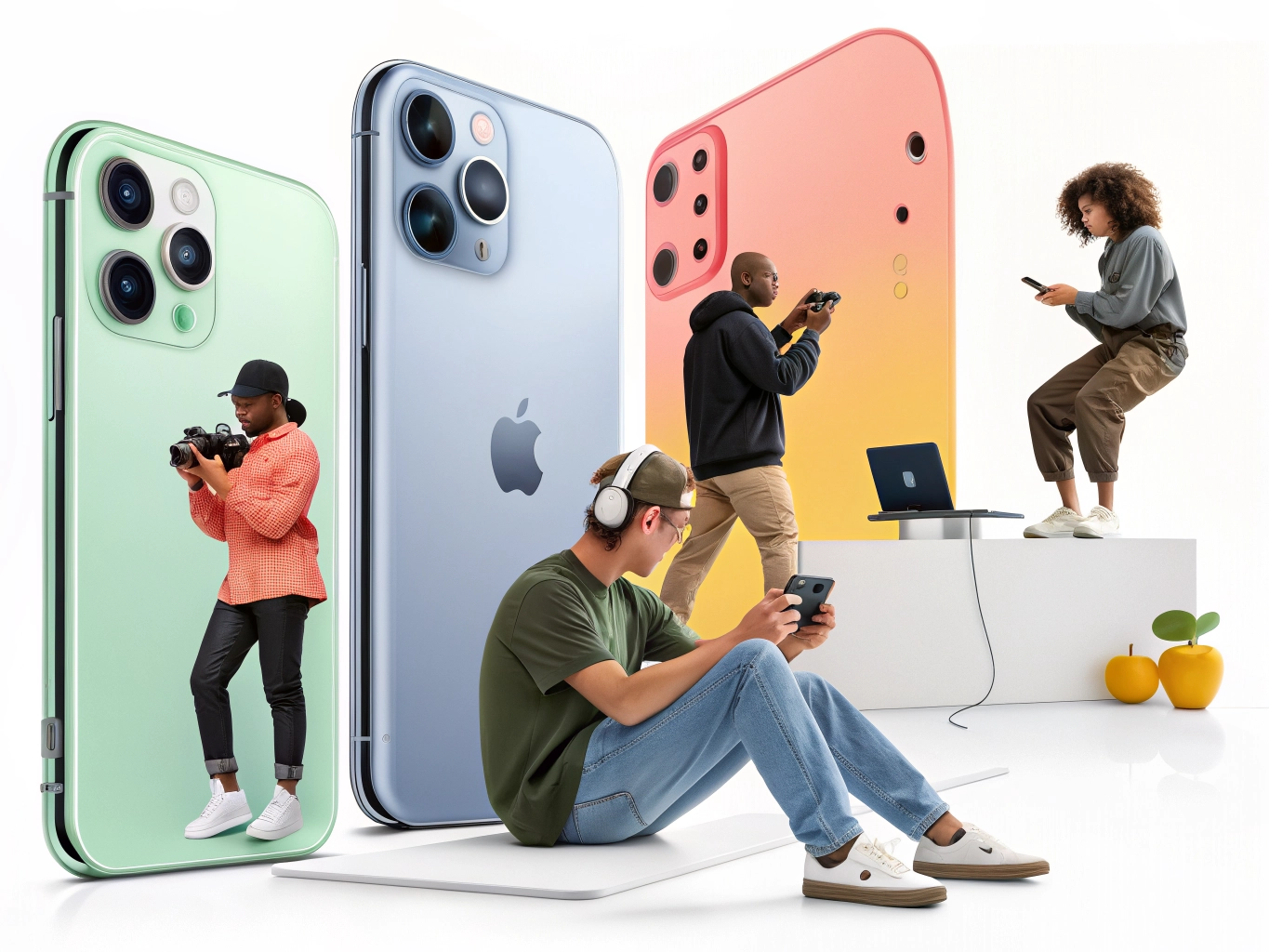
The iPhone has become one of the most popular smartphone choices for people who want a combination of premium design, strong performance, excellent cameras, and a polished software experience.
Whether you are looking for an iPhone for photography, gaming, social media, work, entertainment, or everyday use, there are different models and storage configurations to consider. Newer iPhone generations can offer upgraded processors, improved cameras, brighter displays, better battery performance, and additional features, while older models can sometimes provide a more affordable entry point into the iPhone ecosystem.
With so many options available, choosing the right iPhone can be confusing. Price, storage, camera capabilities, display size, battery requirements, performance, and long-term software support are all important factors to consider.
10 iPhone Products to Consider
1. Latest iPhone Model
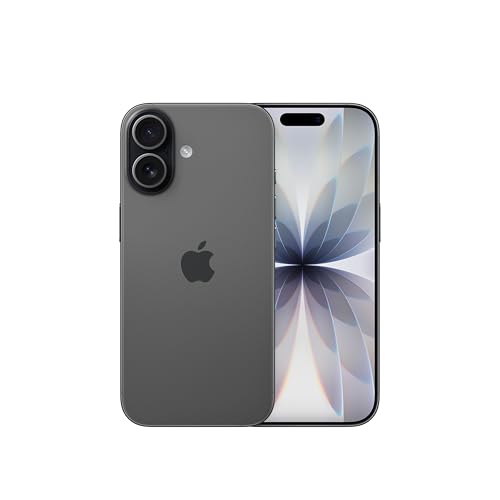
If you want the newest technology available in the iPhone lineup, the latest iPhone model is the natural place to start.
The newest generation typically focuses on improvements to performance, cameras, display technology, battery efficiency, connectivity, and software capabilities.
For shoppers who plan to keep their phone for several years, comparing the latest model with previous generations can help determine whether the newer features justify the additional cost.

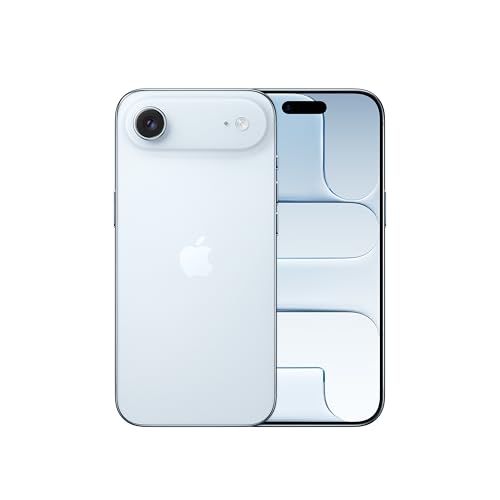
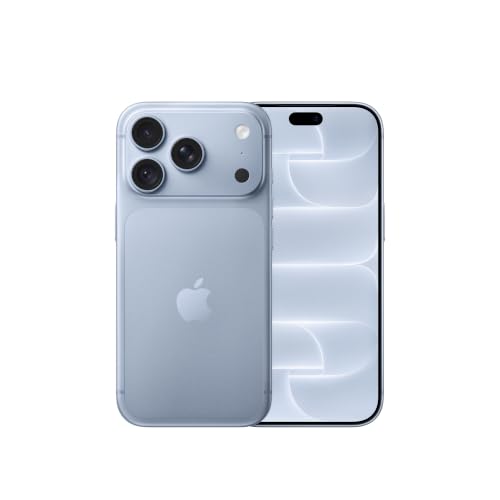
2. Best iPhone for Photography
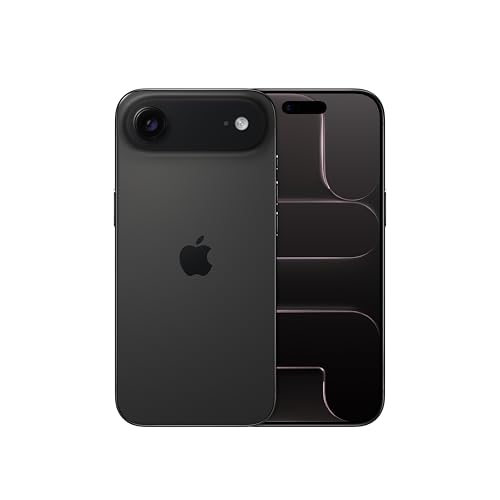
For users who enjoy taking photographs and recording videos, camera specifications can be one of the most important factors when choosing an iPhone.
Depending on the model, features may include multiple rear cameras, advanced computational photography, optical image stabilisation, high-resolution video recording, portrait photography, and different zoom capabilities.
Before choosing an iPhone primarily for photography, compare the available cameras rather than looking only at the megapixel count.
3. iPhone for Gaming
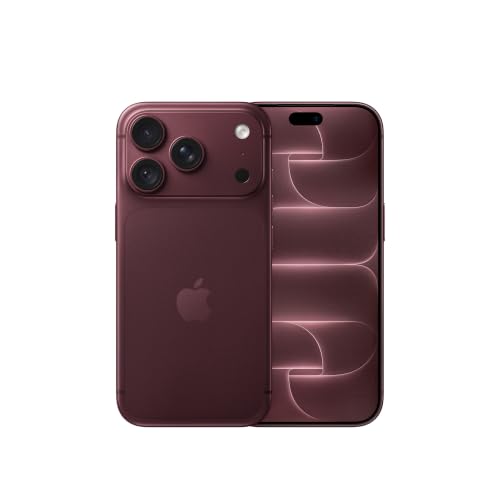
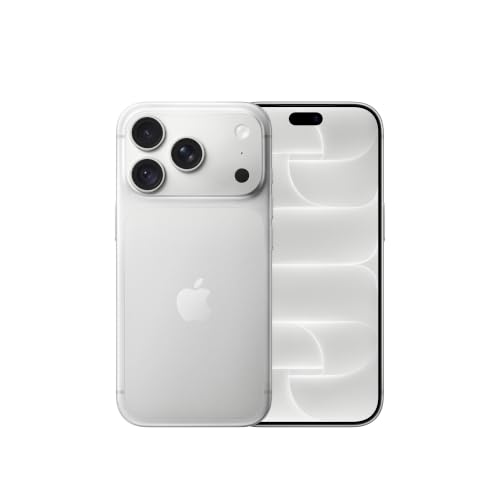
If mobile gaming is a priority, processing performance and graphics capabilities become especially important.
A powerful iPhone can provide smooth performance in demanding games, while a high-quality display can improve the overall gaming experience.
When selecting an iPhone for gaming, consider the processor, graphics performance, display refresh rate where applicable, storage capacity, battery performance, and thermal behaviour.
4. Budget-Friendly iPhone
You don’t necessarily need the newest or most expensive iPhone to enjoy Apple’s smartphone ecosystem.
A budget-friendly iPhone can be an attractive option for shoppers who want iOS, reliable performance, a good camera, and access to Apple’s ecosystem while keeping the purchase price lower.
Older-generation models and lower-tier current models can sometimes offer a useful balance between features and price.
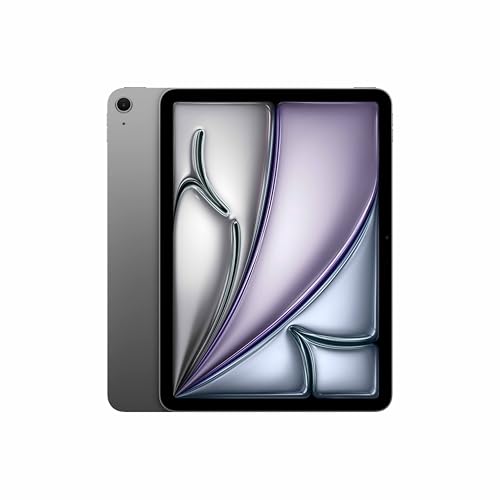

5. iPhone with Large Display
A larger iPhone display can be useful for watching videos, browsing websites, reading, editing photos, gaming, and multitasking.
If you spend a lot of time consuming content on your smartphone, a larger screen may provide a more comfortable viewing experience.
However, larger phones can also be heavier and less convenient for one-handed use, so consider the physical size as well as the screen size.
6. iPhone with Best Battery Focus
Battery life is an important consideration for people who spend long hours using their smartphone.
An iPhone with strong battery performance can be useful for travelling, video streaming, navigation, social media, gaming, photography, and work.
Remember that actual battery life varies according to factors such as network conditions, screen brightness, apps, settings, and usage patterns.
7. iPhone with High Storage
Storage becomes increasingly important if you take lots of photos and videos, download games, save movies, or keep many apps on your device.
An iPhone with higher storage can be useful for users who want to keep more content locally without constantly managing available space.
When purchasing, compare the available storage variants and choose according to your expected usage.
8. iPhone for Students
Students often need a smartphone for online classes, communication, photography, entertainment, social media, research, and productivity.
An iPhone for students should offer a suitable balance of performance, battery life, camera quality, storage, and price.
Instead of automatically choosing the most expensive model, compare the features that are actually useful for student life.
9. Premium iPhone Model
For shoppers looking for premium features, a Pro-level iPhone can provide additional capabilities depending on the generation.
Higher-end models may offer more advanced camera systems, premium displays, additional processing capabilities, greater storage options, and other features compared with standard models.
If you are considering a premium iPhone, compare the features you actually need against the price difference.
10. iPhone for Everyday Use
For users who want a dependable smartphone for everyday activities, a standard iPhone model can provide a balanced combination of performance, camera quality, display, battery, and software features.
An everyday iPhone can be used for calling, messaging, social media, photography, video streaming, online shopping, navigation, banking, and work-related tasks.
How to Choose the Best iPhone
Choosing an iPhone becomes easier when you focus on the features that matter most to you.
1. Consider Your Budget
iPhones are available across different price ranges.
Before shopping, decide how much you are comfortable spending. Then compare models within that range.
Don’t forget to consider the storage variant because higher storage can increase the overall price.
2. Check the Processor
The processor affects overall smartphone performance.
A newer processor can be particularly useful for:
- Gaming
- Video editing
- Photography
- Multitasking
- AI-related features
- Long-term performance
However, everyday users may not need the highest-end processor available.
3. Compare the Cameras
Camera capabilities can vary between iPhone models.
Consider:
- Main camera
- Ultrawide camera
- Telephoto camera
- Optical zoom
- Digital zoom
- Night photography
- Portrait photography
- Video recording
- Front camera
Don’t choose based only on megapixels. The overall camera system and software processing also matter.
4. Choose the Right Storage
Common storage categories may include different capacities depending on the model.
Choose more storage if you:
- Record lots of 4K video
- Take many photographs
- Download large games
- Store movies offline
- Keep many apps
- Plan to use the phone for several years
If you mostly use cloud storage and stream content, you may not need the highest capacity.
5. Consider Display Size
A compact iPhone can be easier to handle and carry.
A larger display can be better for:
- Movies
- Gaming
- Reading
- Photo editing
- Browsing
- Productivity
Think about how you normally use your smartphone before selecting the screen size.
6. Look at Battery Performance
Battery life depends on the specific model and how you use it.
Heavy users should pay particular attention to battery specifications and independent testing, while light users may be satisfied with a smaller capacity.
7. Consider Connectivity
Depending on the model, iPhones may support modern mobile-network technologies and wireless connectivity standards.
Before purchasing, check compatibility with your mobile carrier and the network services available in your area.
8. Choose the Right Colour
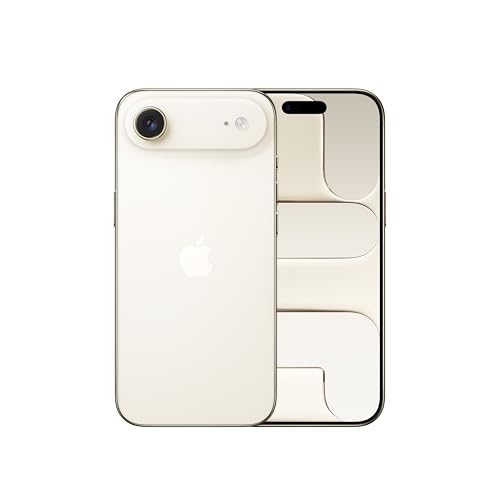
iPhones are available in different colours depending on the model and generation.
Popular choices can include:
- Black
- White
- Blue
- Green
- Pink
- Natural finishes
- Gold
- Silver
- Other model-specific colours
Colour is mainly a personal preference, but it can also affect how easily you can identify your phone.
iPhone Buying Guide for Different Users
Best iPhone for Photography
Prioritise camera hardware, image processing, video capabilities, storage, and display quality.
Best iPhone for Gaming
Look for a capable processor, strong graphics performance, suitable display technology, adequate storage, and good battery performance.
Best iPhone for Students
Focus on price, battery life, performance, camera quality, storage, and long-term usability.
Best iPhone for Professionals
Consider performance, storage, battery, display size, camera capabilities, and connectivity.
Best iPhone for Content Creators
Camera quality, video recording, storage, display quality, performance, and accessories may be particularly important.
Best iPhone for Everyday Users
A balanced model with suitable performance, camera quality, battery life, storage, and price can be enough for most daily tasks.
New iPhone vs Older iPhone
One of the biggest questions when buying an iPhone is whether to purchase a newer generation or save money with an older model.
| Feature | Newer iPhone | Older iPhone |
|---|---|---|
| Processor | Generally newer | Earlier generation |
| Price | Usually higher | Can be lower |
| Camera | May offer newer capabilities | Depends on model |
| Software | Newer hardware generation | Depends on support |
| Battery condition | New device | Depends on age/condition |
| Design | May be updated | Earlier design |
| Features | May include newer technologies | May lack newer features |
An older model can still be useful, but check software support, battery health if buying used, condition, warranty, and current pricing.
New vs Refurbished vs Used iPhone
If you’re shopping on a budget, you may encounter new, refurbished, and used iPhones.
New iPhone
A new iPhone is sold unused and normally comes with the applicable manufacturer’s warranty.
Refurbished iPhone
A refurbished phone has previously been used or returned and has undergone some form of inspection or refurbishment. The exact process varies by seller.
Used iPhone
A used iPhone is generally sold in its existing condition by a previous owner or reseller.
Before purchasing a refurbished or used iPhone, check:
- Battery health
- Physical condition
- IMEI/device status
- Warranty
- Return policy
- Seller reputation
- Original accessories
- Activation status
iPhone Accessories You May Need
Buying an iPhone may also mean purchasing accessories.
Useful accessories can include:
- Protective case
- Screen protector
- Charging cable
- Power adapter
- Wireless charger
- Power bank
- Car charger
- MagSafe-compatible accessories
- Earphones or headphones
- Phone stand
Choose accessories that are compatible with your specific iPhone model.
Tips for Buying an iPhone Online
When buying an iPhone online, always check the product listing carefully.
Check the Exact Model
Make sure the listing clearly identifies the iPhone model and generation.
Check Storage
Confirm whether the listed price is for the storage capacity you actually want.
Check Seller Information
Look at the seller details, customer reviews, return policy, and warranty information.
Compare Prices
Compare the current price across reputable retailers before purchasing.
Check the Warranty
Understand what warranty coverage is included and who provides it.
Check the Product Condition
If buying refurbished or used, carefully review the condition and warranty information.
How Much iPhone Storage Do You Need?
Your storage requirement depends on how you use your phone.
Lower Storage
Can be suitable for users who:
- Stream most content
- Use cloud storage
- Take fewer photos
- Install fewer large games
Medium Storage
Can suit many everyday users who regularly take photographs and use multiple apps.
Higher Storage
Can be useful for:
- Content creators
- Frequent photographers
- 4K video recording
- Large games
- Offline media
- Long-term storage
Choose the capacity that matches your actual usage rather than paying for storage you may never use.
iPhone Camera Buying Tips
If photography is important to you, don’t simply compare megapixel numbers.
Consider:
Main Camera
Important for everyday photographs.
Ultrawide Camera
Useful for landscapes, architecture, and group photographs.
Telephoto Camera
Useful for optical zoom on models that include it.
Front Camera
Important for selfies, video calls, and social media.
Video
If you record videos regularly, check available recording resolutions, frame rates, stabilisation, and other supported features.
How to Protect Your New iPhone
Once you’ve purchased your iPhone, protecting it can help reduce the risk of accidental damage.
Consider using:
- A quality protective case
- A suitable screen protector
- A camera lens protector if compatible
- A secure phone grip
- A suitable charging setup
Also keep your software updated and use a strong device passcode.
iPhone Buying Checklist
Before purchasing, check:
☑ Exact iPhone model
☑ Storage capacity
☑ Display size
☑ Processor
☑ Camera system
☑ Battery specifications
☑ Connectivity
☑ Colour
☑ Warranty
☑ Seller
☑ Return policy
☑ Current price
☑ Included accessories
☑ Product condition
Frequently Asked Questions About iPhone
Which iPhone should I buy?
The right iPhone depends on your budget and requirements. Compare the processor, camera system, display, storage, battery, and other features before choosing.
Which iPhone is best for photography?
Look for an iPhone with the camera features you actually need, such as multiple cameras, optical stabilisation, advanced video recording, and suitable storage.
Which iPhone is good for gaming?
For gaming, compare processor performance, graphics capabilities, display technology, storage, and battery performance.
How much iPhone storage do I need?
Light users may need less storage, while photographers, gamers, and video creators may benefit from higher-capacity models.
Should I buy an older iPhone?
An older iPhone can be worth considering if its current price, condition, battery health, software support, and features meet your needs.
Is a refurbished iPhone worth considering?
A refurbished iPhone can be an option for buyers seeking a lower price, but carefully check the refurbishment process, warranty, battery condition, seller reputation, and return policy.
Is iPhone good for everyday use?
iPhones can handle common tasks such as calling, messaging, browsing, photography, social media, entertainment, navigation, and productivity.
What should I check before buying an iPhone online?
Check the exact model, storage, seller, warranty, return policy, product condition, customer reviews, and current price.
Final Thoughts
Choosing the right iPhone doesn’t necessarily mean buying the most expensive model. The best choice for your needs depends on your budget and how you use your smartphone.
Photography enthusiasts may prioritise camera capabilities, gamers may focus on processor and graphics performance, students may look for a balance between price and features, while professionals and content creators may need additional storage and advanced camera or performance capabilities.
Before buying, compare price, storage, processor, display, cameras, battery performance, connectivity, warranty, seller information, and return policy.