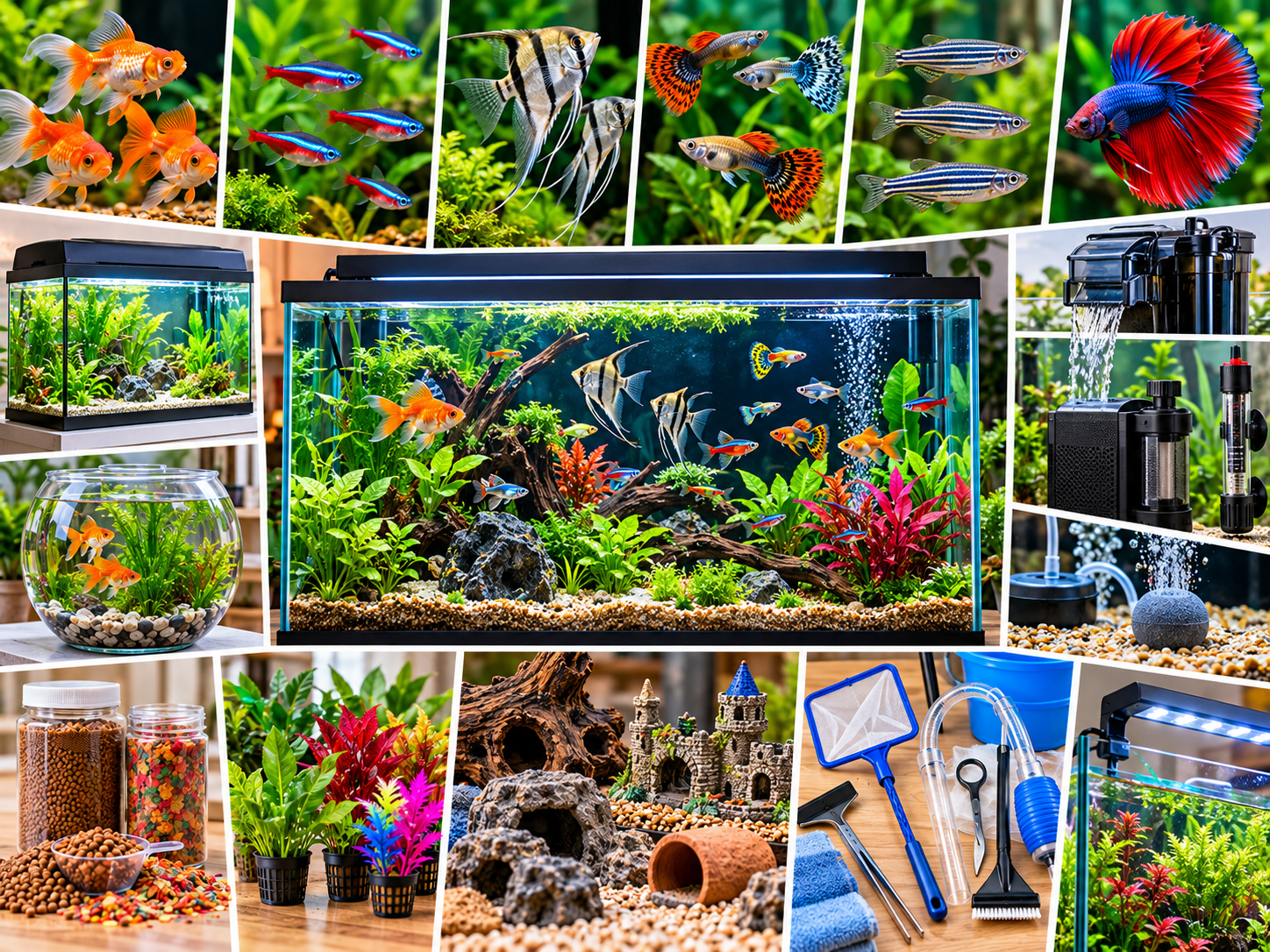
Keeping fish at home is a popular hobby in India. A well-designed aquarium can add beauty and a relaxing atmosphere to a living room, bedroom, office, or other suitable indoor space. However, successful fish keeping requires more than simply filling a tank with water and adding fish.
Fish need an appropriate aquarium, filtration, water movement, suitable temperature, proper food, lighting, hiding places, regular maintenance, and compatible tank mates. Different species also have very different requirements.
This complete Fish and Aquarium Buying Guide is designed to help beginners and experienced aquarium keepers understand the essential products needed for responsible fish keeping.
Whether you are interested in goldfish, guppies, betta fish, mollies, tetras, angelfish, gouramis, cichlids, or other aquarium fish, choosing the correct equipment is essential for maintaining a healthy aquatic environment.
Why Keep Fish as Pets?
Aquarium fish can be fascinating pets because they offer a unique combination of natural beauty and observation.
Some benefits of maintaining an aquarium include:
- Attractive home decoration
- Interesting fish behavior
- Educational value
- Relaxing visual environment
- Opportunity to learn about aquatic ecosystems
- Wide variety of fish species
- Different aquarium styles and sizes
- Enjoyable hobby for beginners and experienced hobbyists
However, an aquarium is a living ecosystem that requires regular care.
Fish cannot simply be placed in a tank and forgotten. Water quality, temperature, filtration, feeding, stocking, and maintenance all matter.
Popular Aquarium Fish in India
Different fish have different care requirements.
Goldfish
Goldfish are popular, but they can grow significantly larger than many new owners expect. They require appropriate tank space and effective filtration.
Guppies
Guppies are colorful freshwater fish that are popular with beginners. They can reproduce quickly, so population management is important.
Betta Fish
Betta fish are popular for their attractive colors and flowing fins. They still require appropriate tank conditions, clean water, and suitable care.
Mollies
Mollies are active freshwater fish that can work well in suitable community aquariums.
Tetras
Many tetra species are small schooling fish and can add movement and color to community aquariums.
Angelfish
Angelfish require more consideration regarding tank size, water conditions, and compatible tank mates.
Cichlids
Cichlids vary considerably. Some species are peaceful while others can be territorial and require specialized setups.
10 Essential Fish and Aquarium Products
1 – Best Aquarium Fish Tank
Key Features:
- Suitable aquarium capacity
- Strong construction
- Clear viewing area
- Secure design
- Easy maintenance
- Suitable for the selected fish species
How to Choose an Aquarium Tank
The aquarium is the foundation of your fish-keeping setup.
Before buying a tank, consider:
- Tank volume
- Dimensions
- Glass or acrylic construction
- Weight when filled
- Location
- Stand strength
- Filtration requirements
- Fish species
- Number of fish
- Maintenance access
A larger aquarium can sometimes be more forgiving of small changes in water chemistry than a very small tank, but it also requires more equipment, water, and maintenance.
Do not select a tank only because it looks attractive.
Choose one based on the needs of the fish you plan to keep.
Small Aquarium vs Large Aquarium
Small aquariums may appear easier because they use less water and occupy less space.
However, smaller volumes can experience rapid changes in:
- Temperature
- Water chemistry
- Waste concentration
- Oxygen availability
A larger appropriately stocked aquarium can provide greater stability, but it also requires a stronger stand and more planning.
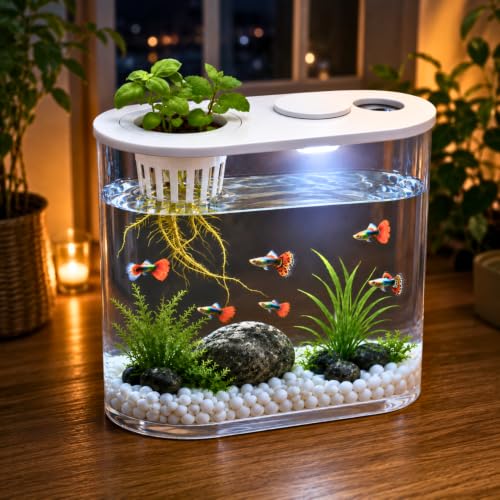
- 🌿 Built-In Plant Growing Basket Grow herbs, aquatic plants, or decorative greenery directly above the aquarium while cre…
- 💡 7-Color LED Light System Switch between vibrant lighting modes to create stunning visual effects and beautifully illum…
- 🐠 Perfect for Small Fish Species Ideal for Guppy, Betta, Molly, Shrimp, and other small ornamental fish, providing a com…
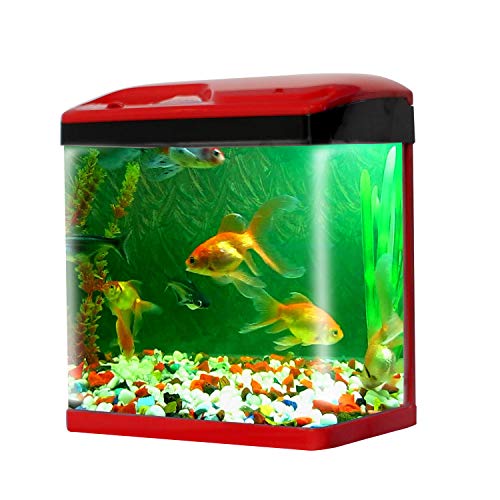
Tank Size (LxWxH): 28x19x33.5 cm Water Capacity: 15L Lighting System: T-4-LED-3W Pump Power: 3W Frequency, 400L/H
Adopt auto glass manufacturing, high definition, Perfect double arc Shape, Visual effect is better
Highlights the LED lamp, energy conservation, environmental protection and durable
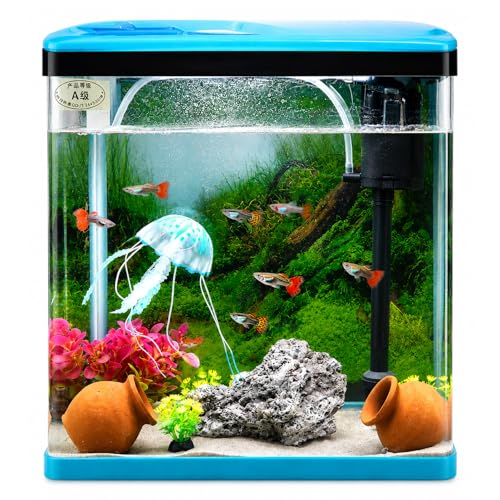
- Tank Size (LxWxH): 39X19X44 cm ( LXWXH 16X8X17 INCH ) Water Capacity: 28 Liters
- Adopt auto glass manufacturing, high definition, Perfect double arc Shape, Visual effect is better
- Highlights the LED lamp, energy conservation, environmental protection and durable
2 – Best Aquarium Filter
Key Features:
- Suitable filtration capacity
- Mechanical filtration
- Biological filtration
- Easy maintenance
- Appropriate flow
- Replacement media availability
Why Aquarium Filtration Is Important
A filter is one of the most important pieces of aquarium equipment.
Filtration can help:
- Remove suspended particles
- Support beneficial bacteria
- Improve water clarity
- Process fish waste
- Maintain water quality
Common filtration types include:
- Internal filters
- Hang-on-back filters
- Canister filters
- Sponge filters
- Undergravel filters
The appropriate filter depends on aquarium size, fish species, stocking level, and desired water flow.
What Is Biological Filtration?
Biological filtration relies on beneficial microorganisms that help process toxic nitrogen compounds produced by fish waste and decomposing organic matter.
A properly established aquarium biological filter is an important part of maintaining water quality.
This is why aquarium cycling is an essential topic for new fish keepers.
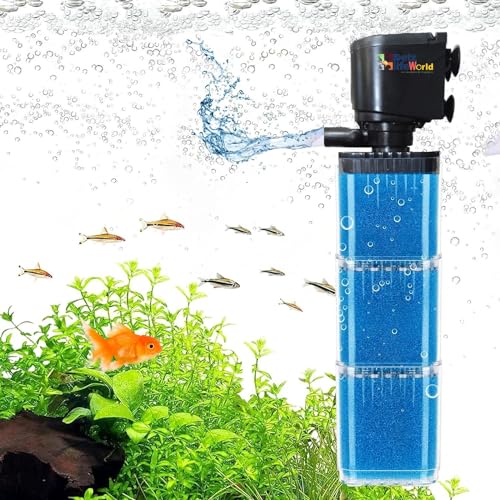
- 💧 1200L/H High Flow Performance – Powerful 1200 liters per hour water circulation helps maintain crystal-clear water and…
- ⚡ 25W Energy-Efficient Motor – Delivers reliable filtration performance with low power consumption and quiet continuous …
- 🧽 Mechanical & Biological Filtration – Effectively removes fish waste, uneaten food, and suspended particles while suppo…
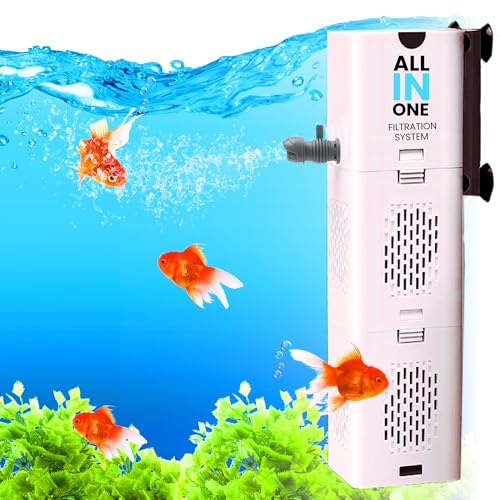
- EFFORTLESS CRYSTAL CLEAR WATER: Compact fish tank filter combines triple stage debris, mechanical and bio media to suppo…
- QUIET POWER FOR ANY TANK: This fish tank motor with filter delivers strong circulation as a fish aquarium filter pump an…
- POWERFUL 3-FOOT TANK PERFORMANCE: Tuned as a top filter for aquarium 3 feet tank setups, this fish filter drives steady …
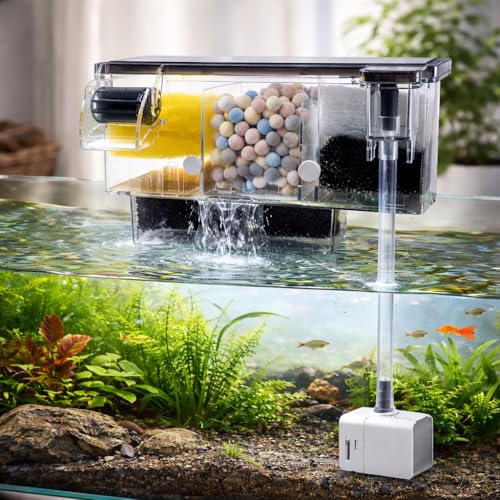
- 💧 3-STAGE FILTRATION SYSTEM Multi-layer filtration removes dirt, toxins & keeps aquarium water crystal clear.
- 🌊 WATERFALL OXYGENATION EFFECT Enhances oxygen levels with continuous flow and bubble generation for healthy fish.
- 🌀 BIO WHEEL TECHNOLOGY Supports beneficial bacteria growth for natural biological filtration.
3 – Best Aquarium Water Conditioner
Key Features:
- Suitable for aquarium water
- Easy dosing
- Convenient packaging
- Clear instructions
- Suitable for freshwater aquarium use where applicable
Why Water Conditioning Matters
Tap water may contain substances that are unsuitable for aquarium fish.
Depending on the local water supply, water treatment products may be needed to neutralize chlorine or chloramine before water is added to an aquarium.
Always read the manufacturer’s instructions and dose according to the aquarium volume.
Aquarium Water Testing
Water testing is another important part of fish keeping.
Common parameters include:
- Ammonia
- Nitrite
- Nitrate
- pH
- Temperature
- Hardness
The ideal range depends on the fish species.
Instead of trying to make every aquarium match a generic “perfect” number, research the requirements of the specific fish you keep.

- Active Nitrifying Bacteria Formula: Helps establish beneficial bacteria to support a balanced and healthy aquarium ecosy…
- Improves Water Quality: Breaks down organic waste, sludge, and leftover food to keep aquarium water cleaner.
- Reduces Ammonia & Nitrite: Supports the natural biological filtration process by reducing harmful waste compounds.

- 🌿 Creates Natural Blackwater Conditions Replicates Amazon rainforest habitats with natural tannins for a more authentic …
- 🐟 Supports Fish Health & Well-Being Helps reduce stress and supports stronger immune function in tropical fish.
- 🎨 Enhances Natural Fish Colors Brings out vibrant coloration in Discus, Bettas, Tetras, Shrimp, and other ornamental spe…
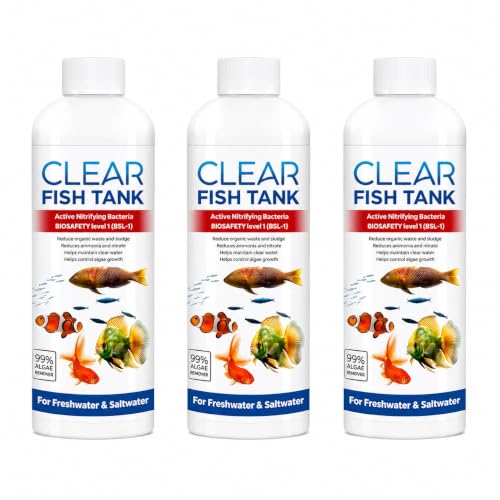
- Active Nitrifying Bacteria Formula: Helps establish beneficial bacteria to support a balanced and healthy aquarium ecosy…
- Improves Water Quality: Breaks down organic waste, sludge, and leftover food to keep aquarium water cleaner.
- Reduces Ammonia & Nitrite: Supports the natural biological filtration process by reducing harmful waste compounds.
4 – Best Aquarium Fish Food
Key Features:
- Species-appropriate nutrition
- Suitable pellet, flake, or granule size
- Good-quality ingredients
- Easy feeding
- Convenient packaging
- Suitable for the selected fish
How to Choose Fish Food
Fish have different nutritional requirements.
Fish food can include:
- Flakes
- Pellets
- Granules
- Wafers
- Frozen foods
- Freeze-dried foods
- Species-specific formulas
Choose food based on the fish species and feeding behavior.
For example, bottom-dwelling fish may benefit from sinking foods, while surface feeders may prefer floating food.
How Much Should You Feed Fish?
Overfeeding is one of the most common aquarium problems.
Excess food can:
- Increase waste
- Pollute the aquarium
- Increase ammonia
- Reduce water quality
- Encourage algae growth
Feed appropriate quantities and remove uneaten food when necessary.
The exact feeding routine depends on the fish species, age, number of fish, and aquarium conditions.
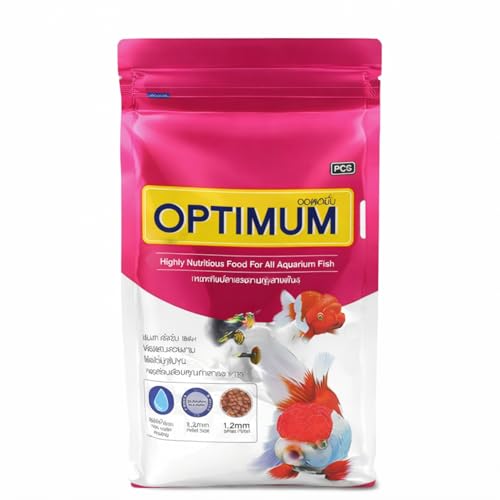
- Nutritional Balance: Optimum Fish Food provides a balanced and complete diet for fish, ensuring they receive all necessa…
- Optimal Digestion and Low Waste: Designed for easy digestion, reducing waste production and promoting water quality.
- Floating Pellets: Convenient floating pellets allow fish at all levels of the tank to access and consume the food easily…

- flavor_name : Variety
- Item_form : Pellet
- Target Species : Fish
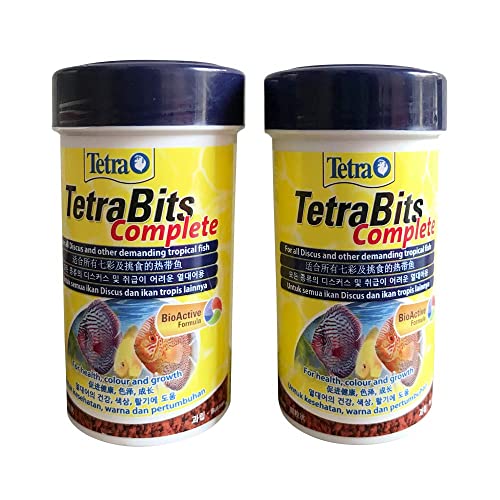
- Maintains color and shape of tropical fishes
- Provides required nutrients and vitamins
- The Tetra complete food is a pellet form of food, which is a preferred form of food
5 – Best Aquarium Heater
Key Features:
- Adjustable temperature
- Suitable wattage
- Temperature control
- Safety features
- Durable construction
- Appropriate for aquarium volume
Why Aquarium Heaters Are Important
Many tropical fish require stable warm water.
An aquarium heater can help maintain an appropriate temperature when the surrounding environment is too cool.
Before purchasing, check:
- Aquarium volume
- Required temperature
- Heater wattage
- Temperature adjustment
- Safety features
- Manufacturer recommendations
Use a reliable aquarium thermometer alongside a heater.
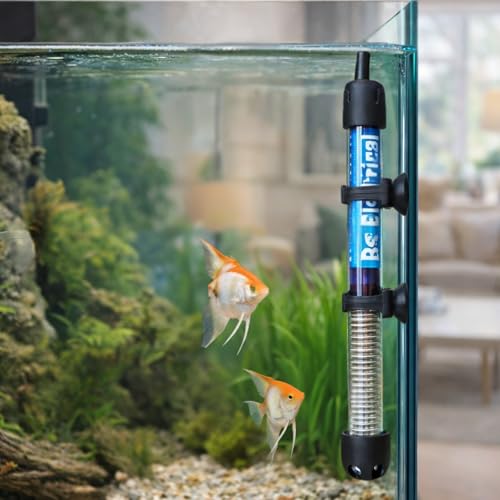
- Powerful Heating Performance for Larger Tanks – Designed to deliver efficient and consistent heating in bigger aquariums…
- User-Adjustable Temperature Dial – Features an easy-to-use temperature adjustment knob that allows precise manual contro…
- Strong Heat-Resistant Glass Body – Constructed using durable glass material suitable for continuous underwater use, supp…
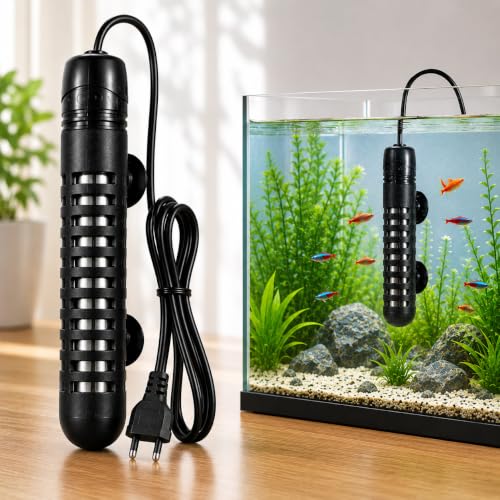
- ⚡ 25W HEATING POWER – Compact 25W aquarium heater designed to help warm aquarium water and support a comfortable aquatic…
- 🛡️ PROTECTIVE OUTER GUARD – Black slotted protective housing surrounds the heating section, providing an additional phys…
- 🔩 STAINLESS STEEL ELEMENT – Features a durable stainless steel heating section designed for aquarium use, combining reli…
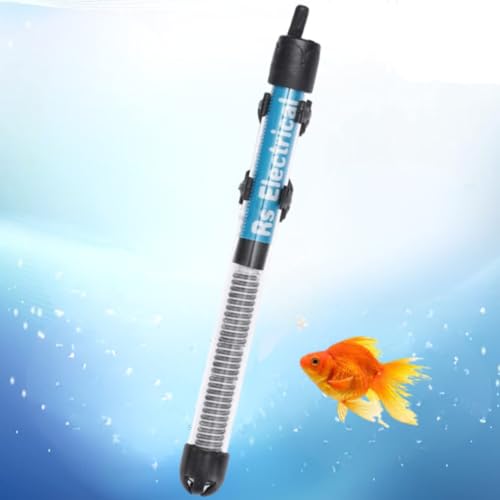
- Completely submersible for hassle-free installation
- Sensitive thermostat maintains your desired temperature
- Automatic temperature adjustment with sensitive thermostat
6 – Best Aquarium LED Light
Key Features:
- Suitable aquarium size
- Adjustable brightness where applicable
- Energy-efficient LED lighting
- Suitable spectrum for intended use
- Easy installation
- Durable construction
Aquarium Lighting Guide
Lighting can enhance the appearance of fish and aquarium plants.
However, too much lighting can encourage excessive algae growth.
Consider:
- Aquarium size
- Fish species
- Live plants
- Light intensity
- Daily lighting duration
- Timer availability
If you keep live aquatic plants, lighting requirements can be more specific.
Aquarium Light Timer
A timer can make lighting more consistent.
Instead of manually switching lights on and off every day, a timer can provide a regular schedule.
Avoid leaving aquarium lights on continuously.
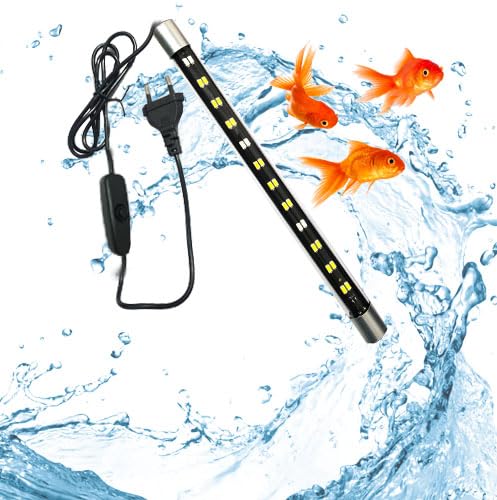
- Excellent sealed design. The tank light is fully submerged in water and work underwater. Two strong suction cup help fix…
- Super Bright And Energy Efficient – Fully Waterproof And Water Submersible Led Light Lamp
- This aquarium led light is specially designed for fish tank, which can light up your fish tank and bring brightness for …
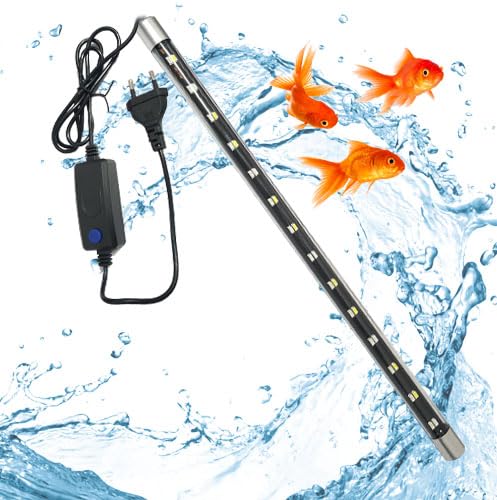
- Vibrant Multi-Mode Lighting: Features 4 unique color-changing modes to create stunning underwater effects, enhancing the…
- Fully Submersible & Waterproof: Designed with durable glass housing, this light can be completely submerged in water, en…
- Adjustable Placement with Suction Cups: Comes with two strong suction cups for easy installation and secure positioning …
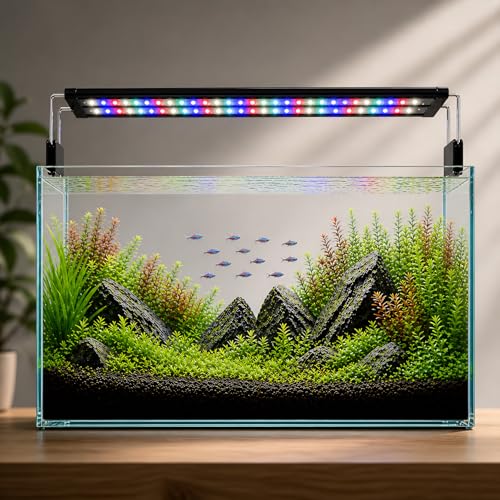
- 💡 WRGB Full Spectrum Lighting : Enhances fish colors, improves clarity, and creates a vibrant natural aquatic environmen…
- 🔲 Ultra Slim 1cm Design : Modern, sleek, and space-saving body for a clean and premium aquarium look
- 🔧 Extendable Adjustable Brackets : Flexible design fits multiple tank sizes with secure and easy installation
7 – Best Aquarium Air Pump and Air Stone
Key Features:
- Quiet operation
- Suitable airflow
- Low energy consumption
- Durable construction
- Easy installation
- Appropriate for aquarium size
Aquarium Oxygen and Water Movement
An air pump can drive an air stone or other equipment to create bubbles and surface movement.
However, bubbles themselves are not the only factor affecting oxygen levels.
Gas exchange primarily occurs at the water surface.
Proper filtration and water movement can also contribute to oxygenation.
The need for an air pump depends on the aquarium setup and fish species.
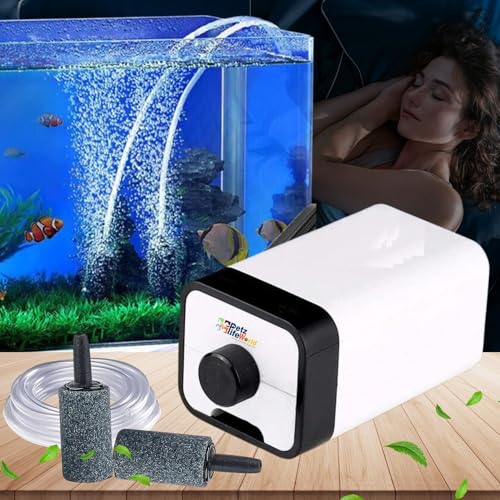
- ✔ Low Noise Operation – Quiet performance for a peaceful aquarium environment.
- ✔ Dual Outlet Design – Powers multiple tanks or accessories at once.
- ✔ Adjustable Air Volume – Multi-speed control for precise oxygen flow.
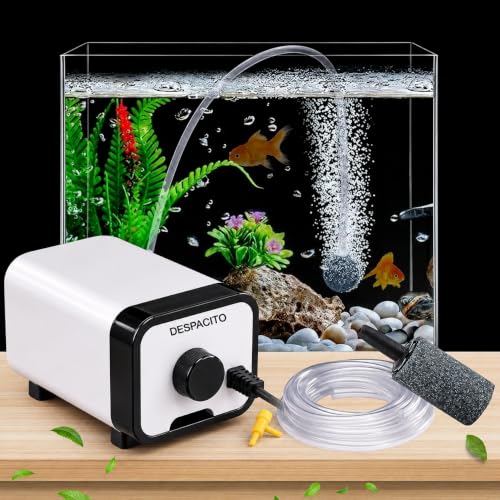
- Aquarium air pump: Measuring 12 × 7 × 6 cm, this compact fish tank oxygen pump is made with a durable ABS plastic housin…
- Silent fish tank air pump: Designed for low-noise operation below 20 dB, this aquarium oxygen pump features a non-slip s…
- 2-way aquarium oxygen pump: Equipped with dual air outlets and a combined airflow capacity of 2 × 1.5 L/min, this fish t…
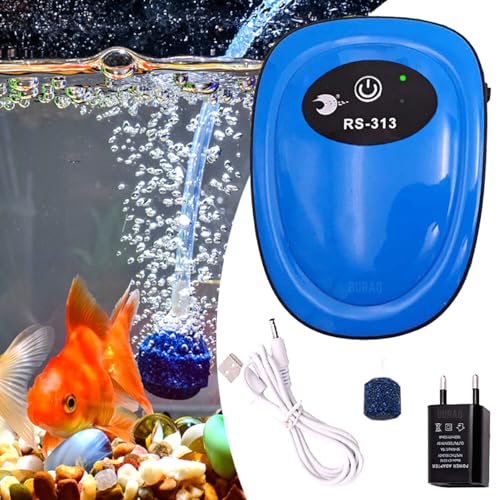
- Model: 313, Voltage: DC 5V, Power: 1W, Output: 1.5 L/min, Pressure: 0.01pa. The bottom silicone pad cushion design reduc…
- Rechargeable – With rechargeable battery (2600MAH). To be recharged fully, it takes about 8 hours. When charged fully th…
- Efficient operation – When power off, it can be moved to battery operations automatically. It is charged in AC condition…
8 – Best Aquarium Gravel and Decorations
Key Features:
- Aquarium-safe material
- Suitable size
- Easy cleaning
- Non-sharp edges
- Attractive appearance
- Suitable for fish and plants
Choosing Aquarium Substrate
Aquarium substrate can improve the appearance of a tank and may also provide benefits for plants and certain fish.
Common choices include:
- Gravel
- Sand
- Plant substrates
- Specialized aquarium soil
The appropriate substrate depends on the fish and plants you intend to keep.
Avoid materials with sharp edges that could injure bottom-dwelling fish.
Aquarium Decorations
Popular aquarium decorations include:
- Rocks
- Caves
- Driftwood
- Artificial plants
- Ornaments
- Backgrounds
Every decoration should be aquarium-safe.
Avoid decorations with:
- Sharp edges
- Toxic coatings
- Loose pieces
- Unsafe paint
- Unstable structures
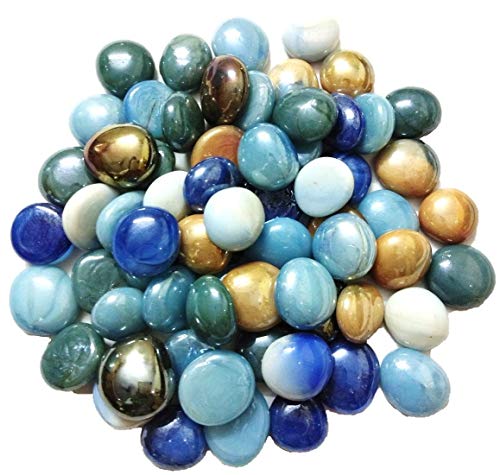
- Pebbles are a great way to add visual and textural interest to your garden or outdoor area. By including pebbles into yo…
- Ideal to use in: Vases, Plant Pots, Table Decoration, Fish Tanks, Table Scatters, Interior Design, Product Display and A…
- It can be used as table scatters to decorate holiday dinners, birthday parties, bridal and baby showers, graduations, an…

- These Pebbles are very durable because they are made of stone.
- They add a lot of taste and style to your home. They are made of natural stone and look beautiful in both dry and wet fo…
- It Will Be Perfect For Ponds, Paving, Candles, gardens, Vases, Bowls, Craft Projects, Floral Arrangements, Surface paths…
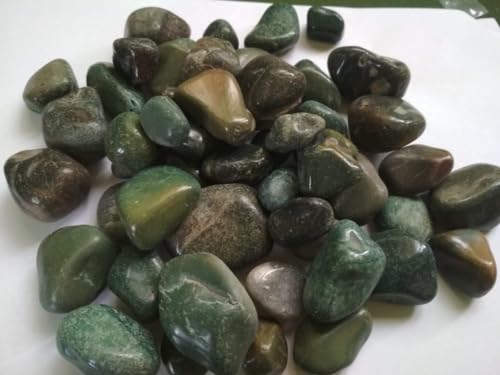
- Pebbles stones for plants pots, home decor. Size 15 to 35 mm. (950 GM)
- These decorative stones and pebbles can be used to decorate home, plant pots, glass table, terrariums, flower vases, gar…
- These pebbles stones for decoration are ideal for indoor, outdoor, garden decoration. These decorative stones add lives …
9 – Best Aquarium Cleaning Kit
Key Features:
- Aquarium glass cleaner
- Gravel cleaner
- Algae scraper
- Water-change equipment
- Easy storage
- Durable tools
Aquarium Cleaning Guide
Regular maintenance is essential.
A maintenance routine can include:
Daily
- Observe fish
- Check temperature
- Check equipment
- Remove obvious uneaten food
- Check for unusual behavior
Weekly or As Needed
- Test water
- Perform appropriate partial water changes
- Clean algae
- Check filter
- Inspect equipment
Regularly
- Replace or rinse filter media according to the manufacturer’s instructions
- Clean decorations
- Check heater and air pump
- Inspect electrical equipment
Do not completely replace all aquarium water unless there is a specific reason and appropriate procedure.
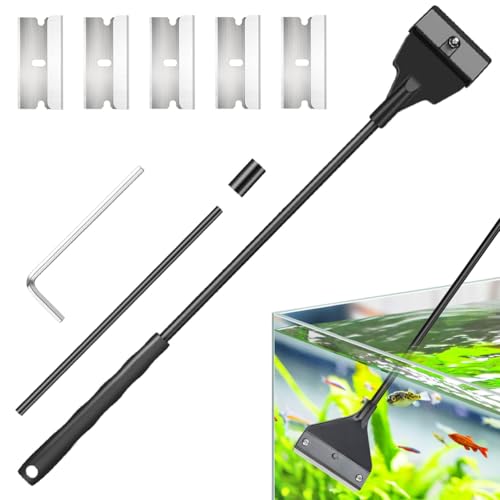
- Materials: Our fish tank cleaner is made from a combination of hard plastic and metal blades. The handle is strong enoug…
- Size: The length of the algae scraper blade in the aquarium is 3.7cm, and the total length is 53cm. This length is long …
- The length is adjustable: it is composed of a handle (10.5cm), a connector, two plastic rods (20cm each) and a scraper h…
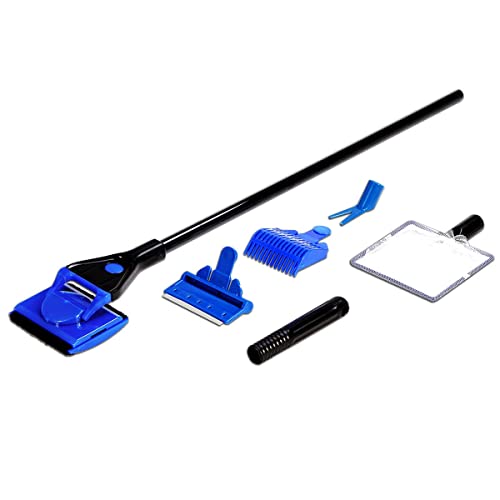
- Keep your hands dry and clean with this 5 in 1 multi-function aquarium cleaning tool
- Length of hand and pole is 19″ with attachments providing a few more inches of reach, attachments are easily swapped in …
- Great for cleaning and removing dirty debris from your tank and aquarium
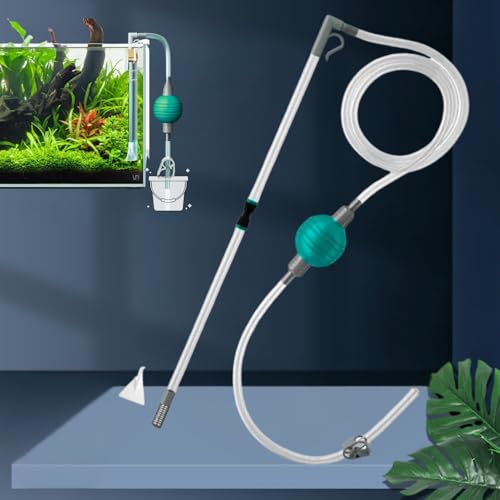
- 💧 Efficient Siphon Cleaning – Removes dirt, fish waste & debris while changing water easily
- 🛡️ Fish Safe Design – Built-in strainer prevents fish and gravel from being sucked in
- ⚡ Manual Operation – No electricity needed, easy suction start with rubber air pump
10 – Best Aquarium Test Kit
Key Features:
- Ammonia testing
- Nitrite testing
- Nitrate testing
- pH testing
- Easy instructions
- Clear results
Why Aquarium Water Testing Matters
Water can look perfectly clear while still containing harmful levels of certain compounds.
Testing can help aquarium owners understand:
- Whether the aquarium is cycled
- Whether waste is accumulating
- Whether a water change may be necessary
- Whether the filtration system is functioning appropriately
Water testing is particularly important when:
- Starting a new aquarium
- Adding fish
- Fish appear stressed
- Fish die unexpectedly
- Changing the filtration system
- Managing a heavily stocked aquarium
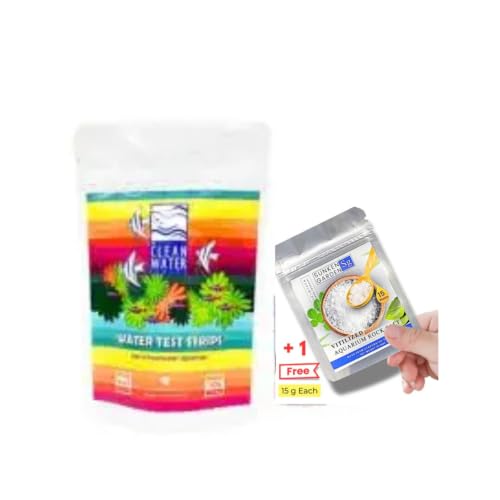
- 6-in-1 Test: Measures six essential parameters in one convenient strip.
- Easy and Quick: Provides fast, accurate results to help maintain water balance.
- Complete Water Monitoring: Helps keep track of nitrate, nitrite, chlorine, pH, GH, and KH levels.
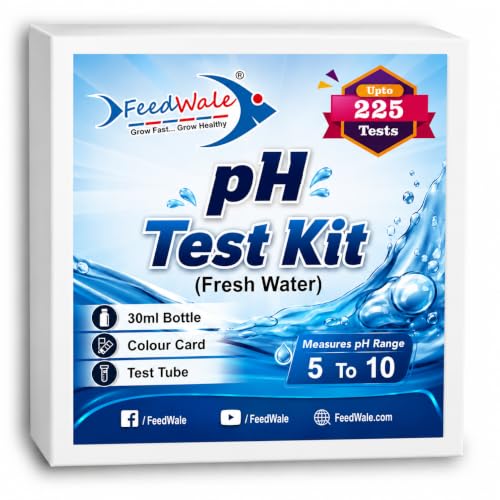
- Accurate pH Water Testing ✔ Measure freshwater pH levels accurately from 4.0 to 10.0 using premium quality reagents and …
- Ideal for Freshwater Aquariums & Fish Farming ✔ Suitable for aquariums, fish tanks, koi ponds, ornamental fish, goldfish…
- Fast, Simple & Easy to Use ✔ Collect a water sample, add the reagent, shake gently, and compare the colour with the supp…

- Professional Quality Test Kit: AAwipes Aquarium test kit (100 strips) was developed by experts for fish enthusiasts. It …
- Versatile Use for Freshwater and Pools: This aquarium water test kit is versatile and suitable for both freshwater and s…
- Quick and Accurate Results: Get accurate results in minutes in just 3 steps: 1) Soak the test strip in water for 1-7 pad…
What Is Aquarium Cycling?
Cycling is the process of establishing beneficial microbial communities that help process fish waste.
A new aquarium does not automatically have a mature biological filter.
The nitrogen cycle generally involves:
Ammonia → Nitrite → Nitrate
Ammonia and nitrite can be harmful to fish.
Understanding aquarium cycling is one of the most important lessons for beginners.
How to Start a New Aquarium
A basic setup process can include:
Step 1: Select the Aquarium
Choose an appropriately sized tank.
Step 2: Install the Equipment
Set up filtration, heater if needed, lighting, thermometer, and other equipment.
Step 3: Add Substrate
Rinse suitable substrate according to manufacturer instructions.
Step 4: Add Decorations
Use aquarium-safe decorations.
Step 5: Add Conditioned Water
Treat water appropriately before introducing fish.
Step 6: Establish the Biological Filter
Allow the aquarium to cycle appropriately.
Step 7: Test Water
Monitor ammonia, nitrite, nitrate, pH, and temperature as appropriate.
Step 8: Add Fish Carefully
Avoid adding too many fish at once.
Fish Tank Size Guide
Tank size should be selected based on:
- Fish species
- Adult fish size
- Number of fish
- Swimming behavior
- Filtration
- Available space
- Maintenance capacity
Do not choose a tank based only on the size of the fish when you purchase it.
Research the adult size and space requirements.
Goldfish Aquarium Guide
Goldfish are frequently purchased as beginner fish, but they can require much more space and filtration than many people expect.
Before buying goldfish, consider:
- Adult size
- Tank volume
- Filtration
- Waste production
- Water quality
- Compatible tank mates
A small decorative bowl is generally not an appropriate long-term home for goldfish.
Betta Fish Aquarium Guide
Betta fish are popular because of their beautiful colors and flowing fins.
A suitable setup should include:
- Appropriately sized aquarium
- Gentle filtration
- Appropriate temperature
- Safe decorations
- Suitable food
- Regular maintenance
Avoid sharp decorations that can damage delicate fins.
Guppy Aquarium Guide
Guppies are active community fish and can reproduce rapidly.
Before keeping guppies, consider:
- Male-to-female ratio
- Population growth
- Tank size
- Filtration
- Water quality
- Compatible species
If you do not want unexpected population growth, learn how to manage male and female fish appropriately.
Community Aquarium Guide
A community aquarium contains multiple compatible species.
Before combining fish, research:
- Adult size
- Temperament
- Temperature requirements
- pH requirements
- Water hardness
- Swimming level
- Feeding behavior
- Fin-nipping behavior
- Territorial behavior
Never choose tank mates solely because they look attractive together.
Fish Compatibility
Some fish species may be:
- Peaceful
- Semi-aggressive
- Territorial
- Predatory
- Fin-nipping
- Schooling
- Solitary
Compatibility should always be researched before adding a new species.
Aquarium Filtration Guide
When selecting a filter, consider:
Aquarium Volume
Choose a filter appropriate for the tank size.
Flow Rate
Some fish prefer stronger movement while others prefer calmer water.
Filter Media
Different media can support mechanical and biological filtration.
Maintenance
Choose a filter for which replacement media and parts are reasonably available.
Noise
For bedrooms and living rooms, quieter equipment can be more comfortable.
Aquarium Heater Buying Guide
Before buying a heater, check:
- Tank volume
- Required temperature
- Heater wattage
- Adjustable settings
- Safety features
- Manufacturer recommendations
Never rely only on the heater’s built-in temperature display.
Use a separate thermometer to verify the actual aquarium temperature.
Aquarium Lighting Buying Guide
For a fish-only aquarium, lighting is primarily about visibility and appearance.
For planted aquariums, lighting becomes more important because plants need appropriate light for photosynthesis.
Consider:
- Tank length
- Tank depth
- Plant requirements
- Brightness
- Timer
- Heat output
- Energy consumption
Aquarium Maintenance Schedule
A simple maintenance schedule can help prevent problems.
| Task | Frequency |
|---|---|
| Observe fish | Daily |
| Check temperature | Daily |
| Check equipment | Daily |
| Remove uneaten food | As needed |
| Test water | Regularly |
| Partial water change | Based on water quality and setup |
| Clean algae | As needed |
| Clean filter | According to media and manufacturer guidance |
| Inspect heater | Regularly |
| Inspect decorations | Regularly |
The exact schedule depends on aquarium size, stocking, filtration, plants, feeding, and water quality.
Common Aquarium Mistakes
Mistake 1: Adding Fish Immediately
A new aquarium may not yet have an established biological filter.
Mistake 2: Overstocking
Too many fish can quickly increase waste and reduce water quality.
Mistake 3: Overfeeding
Excess food contributes to waste and water-quality problems.
Mistake 4: Choosing Fish Without Research
Different species have different requirements.
Mistake 5: Ignoring Water Testing
Clear water does not necessarily mean healthy water.
Mistake 6: Using Tap Water Without Appropriate Treatment
Depending on local water chemistry and treatment, untreated tap water may be unsuitable.
Mistake 7: Cleaning Everything Too Aggressively
Over-cleaning can disrupt beneficial biological filtration.
Mistake 8: Buying a Tank Based Only on Appearance
Tank size and suitability are more important than decoration.
Aquarium Safety Guide
Aquarium equipment often uses electricity near water.
Take precautions:
- Keep electrical connections dry
- Use suitable electrical equipment
- Create drip loops where appropriate
- Unplug equipment before maintenance when required
- Keep cables organized
- Prevent water from reaching electrical connections
- Use stable aquarium stands
- Never place a heavy aquarium on unsuitable furniture
A filled aquarium can be extremely heavy.
Always use a stand designed to safely support the aquarium.
Aquarium Placement Guide
Before installing an aquarium, consider:
- Floor strength
- Stand stability
- Access to electrical outlets
- Access to water
- Temperature
- Direct sunlight
- Cleaning access
- Viewing angle
- Distance from children and pets
Avoid placing an aquarium where direct sunlight causes excessive heating or algae growth.
Fish Food Feeding Guide
Avoid feeding fish more than they can reasonably consume.
Signs of overfeeding may include:
- Uneaten food
- Excess waste
- Cloudy water
- Increased algae
- Poor water quality
Feeding frequency depends on species, age, metabolism, and aquarium conditions.
Aquarium Plants
Live plants can provide:
- Natural appearance
- Hiding spaces
- Environmental enrichment
- Nutrient uptake
- Oxygen production during photosynthesis
However, plants have their own requirements.
Consider:
- Lighting
- Substrate
- Nutrients
- CO₂ requirements for some species
- Plant compatibility with fish
Artificial plants can be an alternative when live plants are unsuitable.
Aquarium Decorations Buying Guide
Choose decorations that are:
- Aquarium-safe
- Stable
- Non-toxic
- Free of sharp edges
- Easy to clean
Caves and hiding spaces can be useful for fish that prefer shelter.
Aquarium Cleaning Products
Useful cleaning equipment may include:
- Algae scraper
- Glass cleaner
- Gravel vacuum
- Water-change hose
- Aquarium bucket
- Filter brush
- Cleaning sponge
Do not use household cleaning chemicals inside the aquarium.
Use equipment specifically reserved for aquarium maintenance.
How to Save Money on Aquarium Products
Aquarium keeping can become expensive, but smart purchasing can help.
Choose the Correct Tank
A suitable tank can prevent expensive upgrades later.
Research Equipment Compatibility
Avoid buying equipment that is too weak or unsuitable for the aquarium.
Compare Replacement Costs
Filter media and other consumables can become recurring expenses.
Avoid Overstocking
More fish means more food, waste, and maintenance.
Buy Durable Equipment
Reliable equipment can provide better long-term value.
Aquarium Products for Beginners
A beginner freshwater aquarium setup may include:
- Aquarium tank
- Aquarium stand
- Filter
- Heater if required
- Thermometer
- Water conditioner
- Fish food
- Lighting
- Substrate
- Decorations
- Water test kit
- Cleaning tools
- Fish net
Not every aquarium needs every item, so select equipment based on the fish and setup.
Fish Tank Shopping Checklist
Before purchasing aquarium equipment:
☐ Correct tank size
☐ Strong aquarium stand
☐ Suitable filter
☐ Appropriate heater if needed
☐ Thermometer
☐ Water conditioner
☐ Fish food
☐ Aquarium light
☐ Suitable substrate
☐ Safe decorations
☐ Water test kit
☐ Cleaning equipment
☐ Fish net
☐ Appropriate fish species
☐ Compatible tank mates
Frequently Asked Questions About Fish
What is the best fish for beginners?
There is no single best fish for every beginner. Choose species whose care requirements match the aquarium you can properly maintain.
Is a small fish bowl enough?
A bowl is generally unsuitable for many fish because small volumes can be difficult to keep stable. Aquarium size should be based on the needs of the species.
Do fish need a filter?
Many aquarium fish benefit from effective filtration because it helps manage waste and supports biological filtration.
Do aquarium fish need a heater?
Tropical fish often require stable warm temperatures. Cold-water species may have different requirements.
How often should aquarium water be changed?
Water-change frequency depends on the aquarium, stocking level, filtration, plants, feeding, and water-test results.
Can I add fish immediately to a new tank?
Adding fish before the aquarium has been appropriately cycled can expose them to harmful ammonia and nitrite.
How often should fish be fed?
Feeding frequency depends on species, age, and individual requirements. Avoid overfeeding.
Why is my aquarium water cloudy?
Cloudy water can have several causes, including bacterial blooms, excess waste, overfeeding, substrate disturbance, or other water-quality issues.
Why are my fish staying at the surface?
Possible causes include low oxygen, poor water quality, temperature issues, stress, or disease. Test the water and investigate promptly.
How many fish can I keep in one aquarium?
There is no universal fish-per-litre rule that works for every species. Adult size, behavior, filtration, swimming space, and waste production all matter.
Final Thoughts
Keeping aquarium fish can be a rewarding hobby when the aquarium is planned around the needs of the fish rather than simply appearance.
Start with an appropriately sized tank, effective filtration, suitable water treatment, appropriate food, temperature control when required, safe decorations, and regular water testing.
Before purchasing fish, research their adult size, water requirements, temperament, diet, swimming behavior, and compatibility with other species.
Avoid common beginner mistakes such as overfeeding, overstocking, skipping aquarium cycling, and ignoring water testing.
When shopping online, compare specifications, aquarium capacity, compatibility, replacement-part availability, customer feedback, and long-term maintenance costs.
A healthy aquarium is not created by one product. It is created through a combination of appropriate equipment, responsible stocking, good water quality, proper nutrition, regular maintenance, and careful observation.
Affiliate Disclosure
This article may contain affiliate links. If you purchase a product through one of our affiliate links, we may earn a commission at no additional cost to you. Our goal is to help readers compare aquarium and fish-care products and make informed purchasing decisions. Prices, availability, specifications, ratings, and seller policies may change, so always verify the latest information before purchasing.