
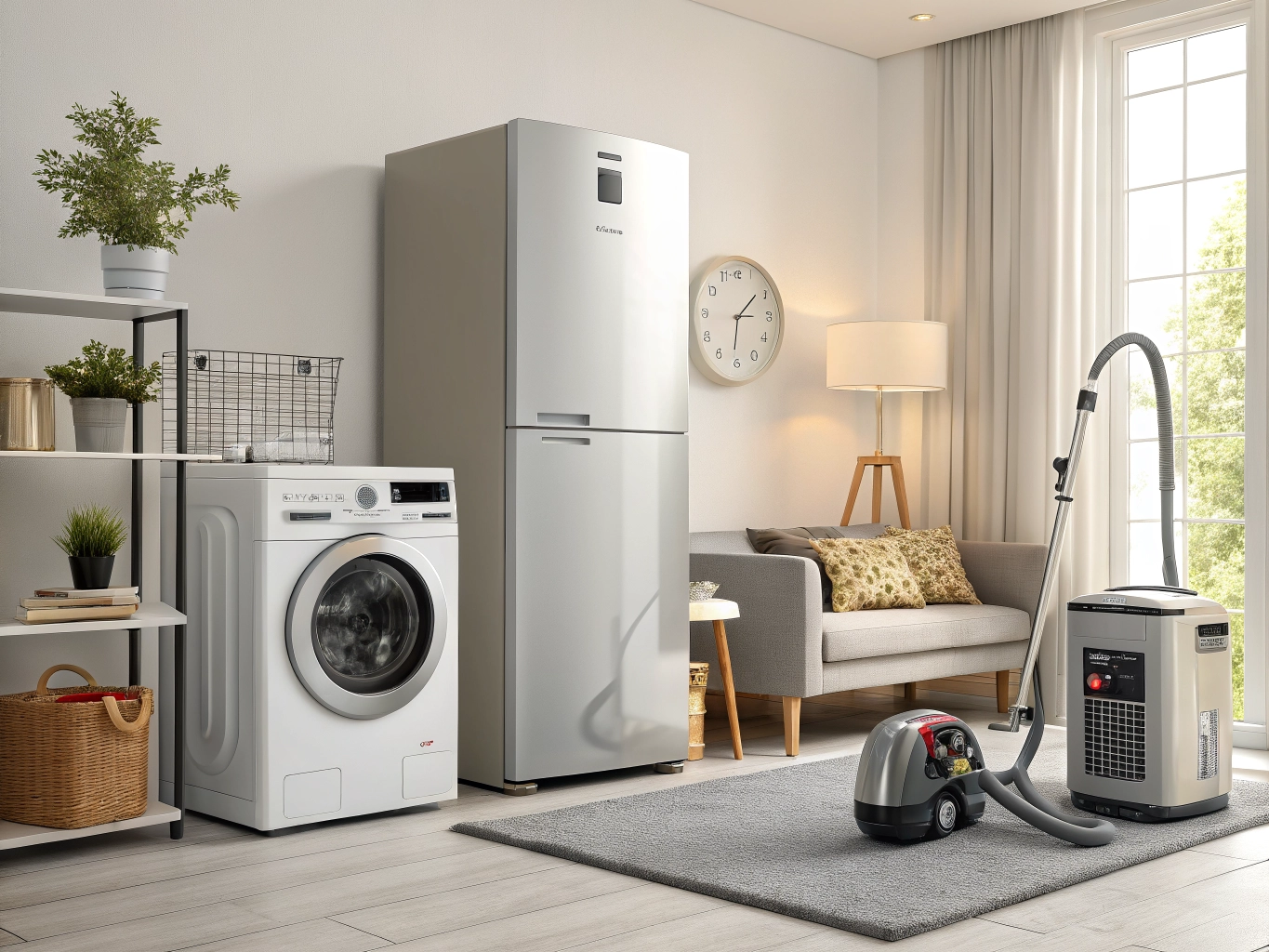
Modern home appliances can make everyday life easier, more comfortable, and more organized. From air conditioners and refrigerators to washing machines, vacuum cleaners, water heaters, air purifiers, and smart home devices, today’s appliances are designed to reduce manual work and improve convenience.
However, choosing the right home appliance can be challenging because there are many brands, models, sizes, technologies, and price ranges available online.
Whether you are setting up a new home, upgrading old appliances, or looking for energy-efficient products, it is important to compare the features and specifications before making a purchase.
Why Are Home Appliances Important?
Home appliances can save time and reduce the amount of manual work required for everyday household tasks.
Depending on the appliance, they can help with:
- Cleaning
- Laundry
- Cooking
- Food storage
- Cooling
- Heating
- Air purification
- Water heating
- Floor cleaning
- Personal comfort
- Home entertainment
A carefully selected appliance can also help you organize your daily routine more efficiently.
Popular Home Appliances for Modern Homes
Some of the most commonly purchased home appliances include:
- Refrigerators
- Washing machines
- Air conditioners
- Air coolers
- Vacuum cleaners
- Air purifiers
- Water heaters
- Microwave ovens
- Dishwashers
- Room heaters
- Electric fans
- Water purifiers
- Smart home appliances
The best combination depends on your household size, climate, available space, lifestyle, and budget.
1. Air Conditioner
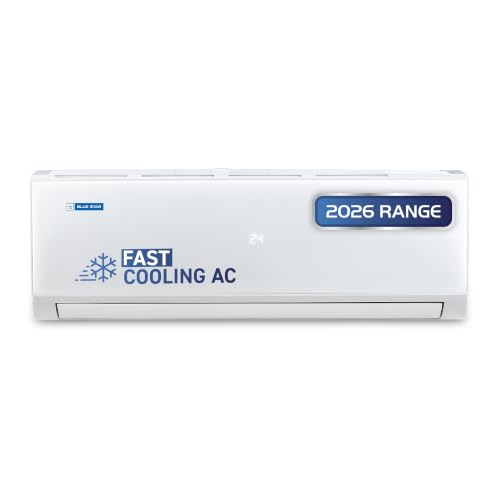
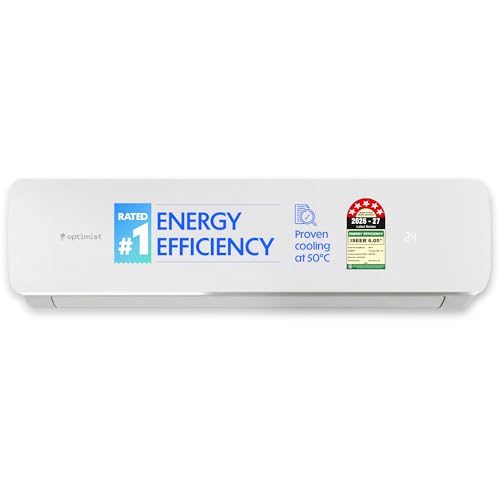
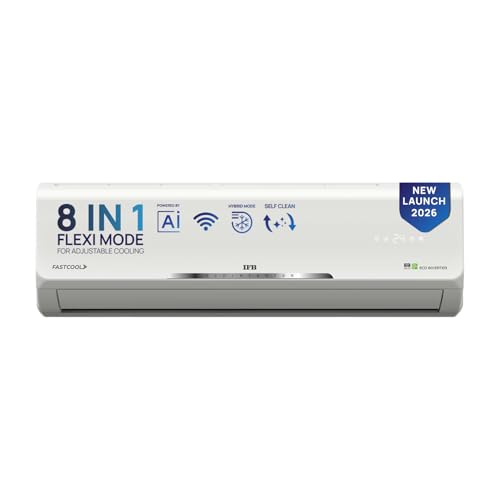
An air conditioner can provide comfortable indoor temperatures during hot weather.
Modern air conditioners may include features such as:
- Inverter compressors
- Multiple cooling modes
- Sleep mode
- Turbo cooling
- Dehumidification
- Air filtration
- Smart connectivity
- Remote control
- Energy-saving modes
When selecting an AC, consider the room size, cooling capacity, energy efficiency, installation requirements, and local climate.
Choosing the Right AC Capacity
Air conditioners are commonly sold in capacities such as:
- 1 ton
- 1.5 ton
- 2 ton
- Larger capacities
The appropriate capacity depends on room size, ceiling height, sunlight exposure, insulation, number of occupants, and other factors.
Avoid choosing an AC solely based on tonnage. Check the manufacturer’s recommended room-size guidance.
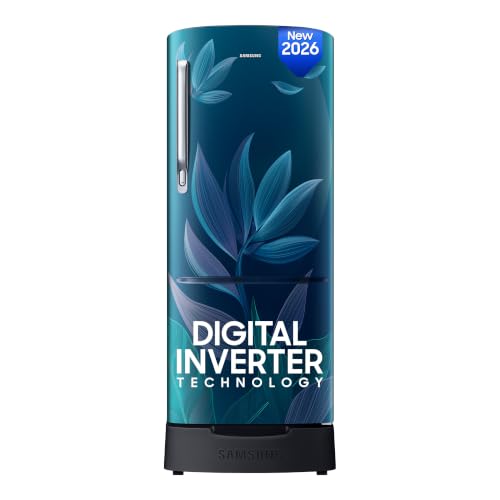
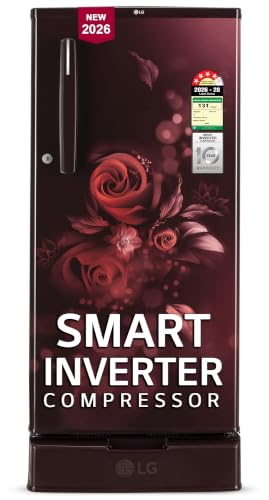
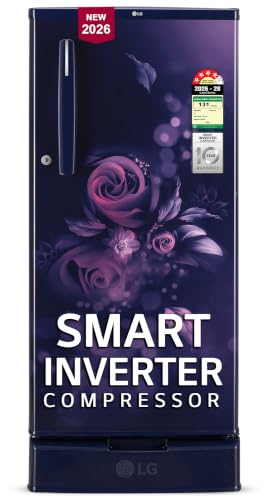
2. Refrigerator
A refrigerator is essential for storing fresh and frozen food.
Popular refrigerator types include:
- Single-door
- Double-door
- Side-by-side
- French-door
- Convertible
Important features to consider include:
- Capacity
- Inverter compressor
- Frost-free cooling
- Freezer size
- Vegetable storage
- Adjustable shelves
- Door alarm
- Cooling technology
- Energy-efficiency information
Choose the capacity according to your family’s food-storage habits rather than simply buying the largest model available.
3. Washing Machine
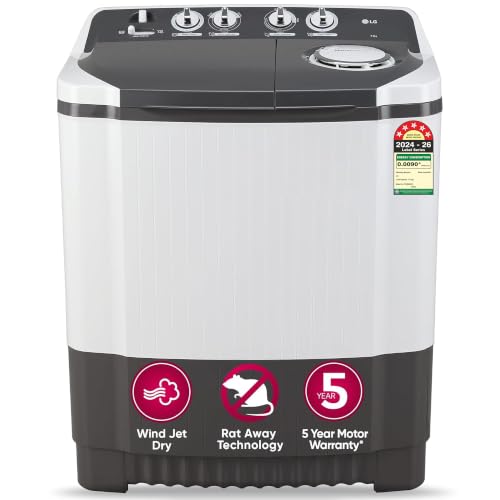
A washing machine can save considerable time and effort when doing laundry.
Common types include:
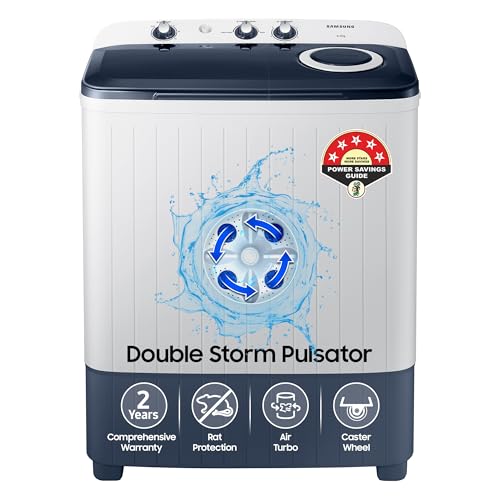
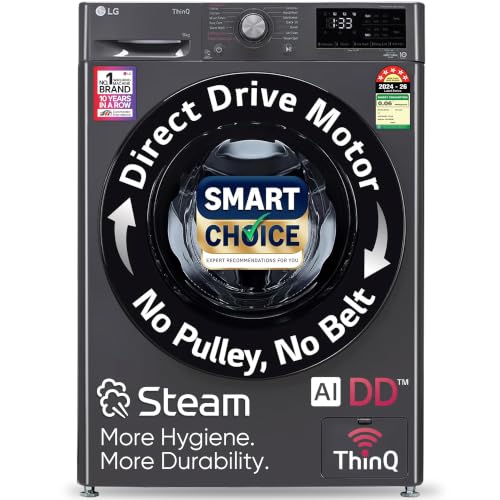
- Fully automatic top load
- Fully automatic front load
- Semi-automatic
Important specifications include:
- Washing capacity
- Spin speed
- Motor technology
- Wash programs
- Energy efficiency
- Water consumption
- Tub-clean function
- Child lock
- Smart connectivity
For smaller households, a compact washing machine may be sufficient, while larger families may prefer higher-capacity models.
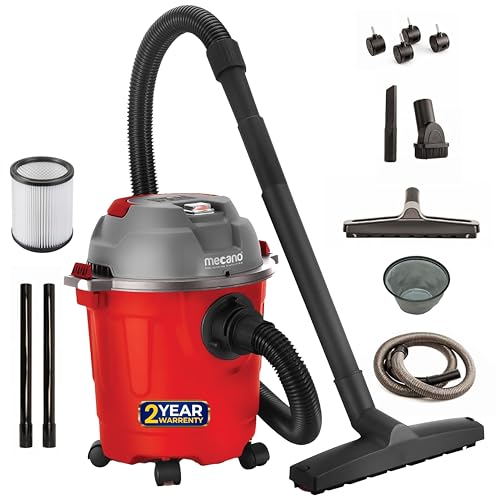
4. Vacuum Cleaner
A vacuum cleaner can make regular household cleaning easier.
Different types include:
Upright Vacuum Cleaners
Useful for larger floor areas and carpets.
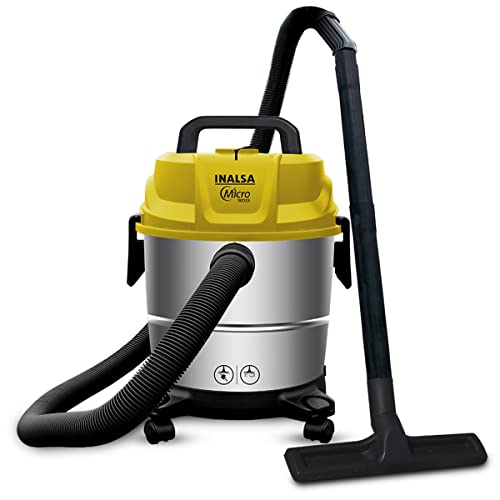
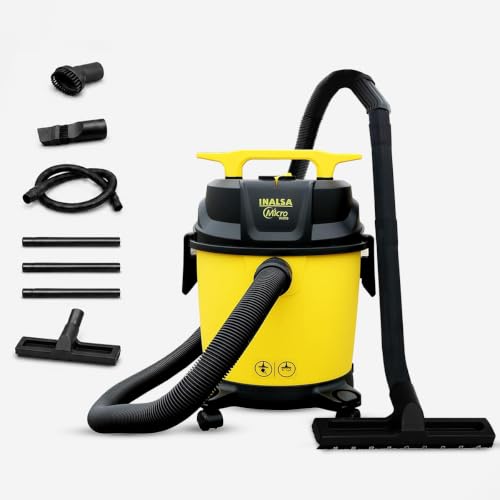
Canister Vacuum Cleaners
Can provide flexibility for cleaning different surfaces.
Stick Vacuum Cleaners
Lightweight designs can be convenient for quick everyday cleaning.
Robot Vacuum Cleaners
These can automatically clean floors and, depending on the model, may include mopping functionality.
Handheld Vacuum Cleaners
Useful for sofas, furniture, cars, and small cleaning tasks.
When buying a vacuum cleaner, consider suction performance, battery life, dust capacity, filtration, attachments, noise, and maintenance requirements.
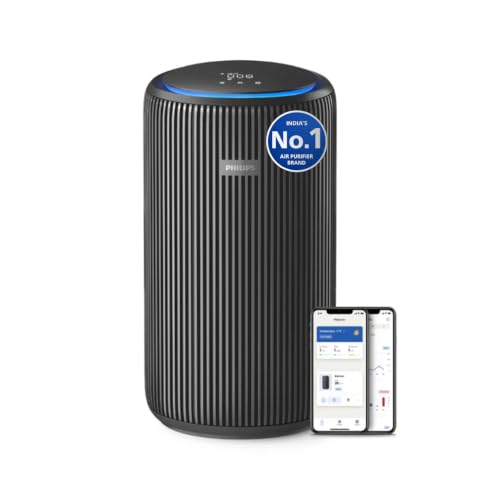
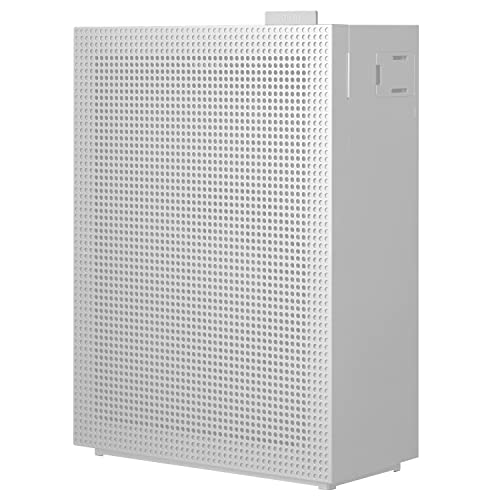
5. Air Purifier
An air purifier can help filter certain airborne particles from indoor air.
Depending on the model, air purifiers may use technologies such as:
- HEPA filtration
- Activated carbon filtration
- Pre-filters
- Air-quality sensors
- Automatic modes
- Ionization technologies on selected models
When choosing an air purifier, pay attention to the recommended room size and clean-air delivery specifications where provided.
Filter replacement costs are also important because filters may need periodic replacement.

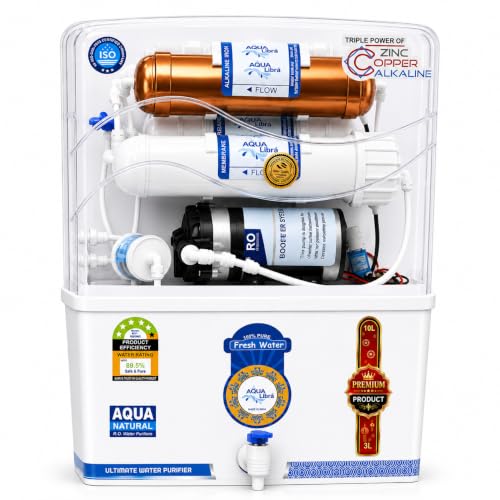
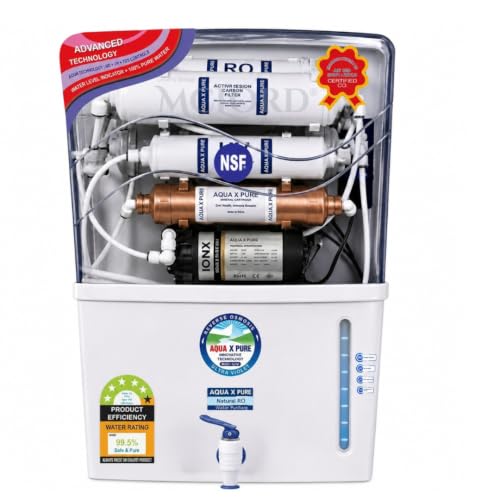
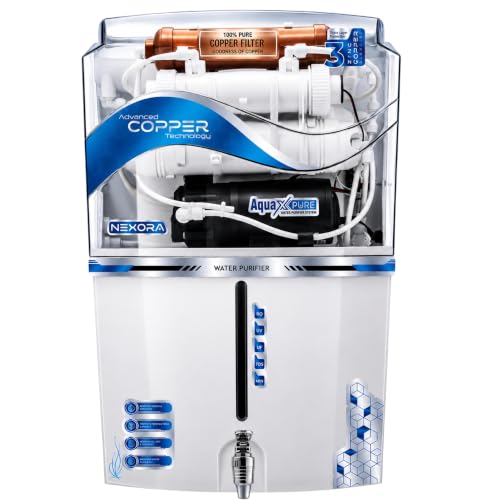
6. Water Purifier
A water purifier can provide an additional method of treating household drinking water.
Different purification technologies may include:
- RO
- UV
- UF
- Activated carbon
- Mineral enhancement
The appropriate system depends heavily on the source and characteristics of your water.
Before purchasing, consider:
- Water quality
- TDS
- Purification technology
- Storage capacity
- Filter replacement cost
- Annual maintenance
- Installation
- Warranty
Don’t choose a purifier solely based on the number of purification stages.
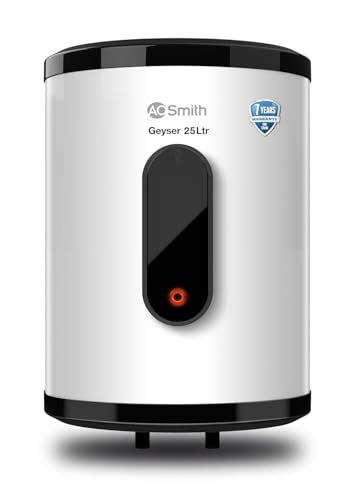
7. Water Heater / Geyser
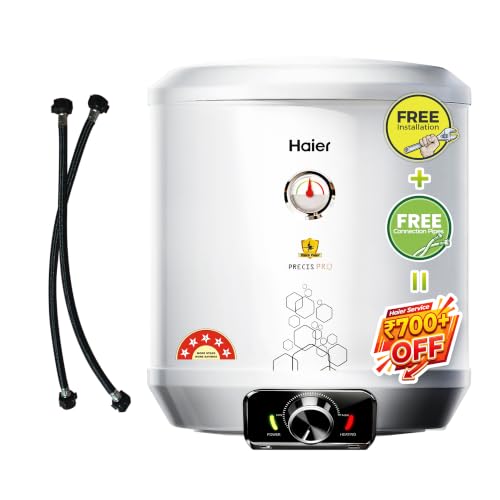
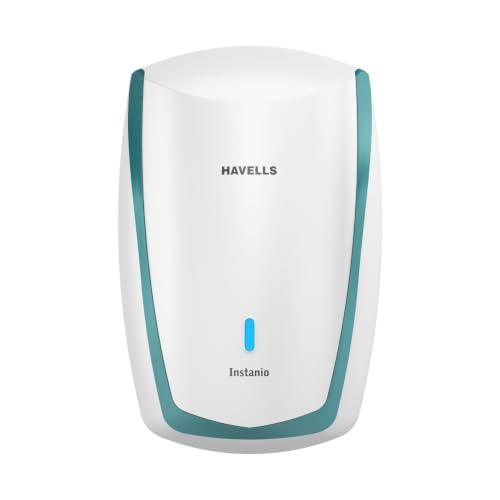
A water heater can provide hot water for bathing and household use.
Common types include:
- Storage water heaters
- Instant water heaters
Important factors include:
- Capacity
- Power
- Heating time
- Safety features
- Temperature control
- Corrosion protection
- Energy efficiency
- Warranty
Storage geysers are available in various capacities, while instant models are generally designed for smaller quantities of hot water at a time.
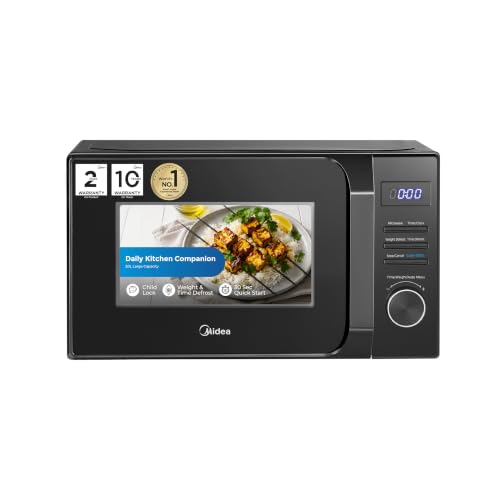
8. Microwave Oven
A microwave oven can make reheating and food preparation more convenient.
Depending on the type, it may offer:
- Reheating
- Defrosting
- Grilling
- Convection cooking
- Baking
- Auto-cook programs
When buying a microwave, consider its capacity, cooking modes, power, controls, dimensions, and cleaning requirements.


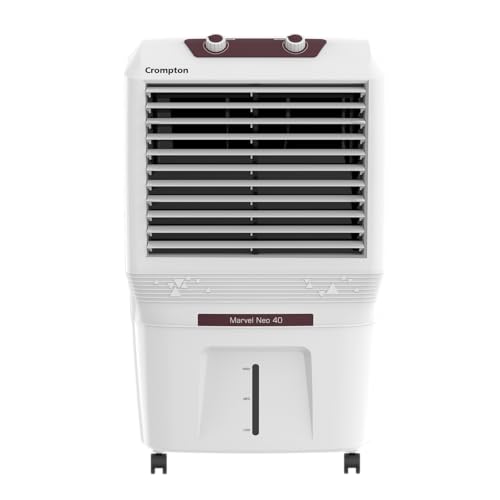
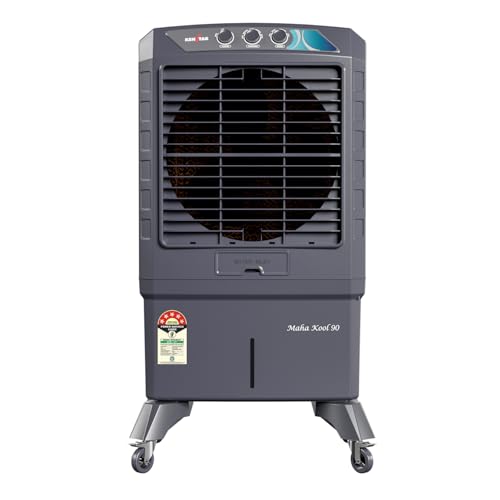
9. Air Cooler
Air coolers can be useful in suitable hot and relatively dry conditions.
Different types include:
- Personal coolers
- Tower coolers
- Desert coolers
- Window coolers
Important factors include:
- Airflow
- Water-tank capacity
- Cooling-pad type
- Room coverage
- Power consumption
- Noise
- Inverter compatibility, where applicable
Air coolers work differently from air conditioners and generally perform differently depending on humidity and ventilation.

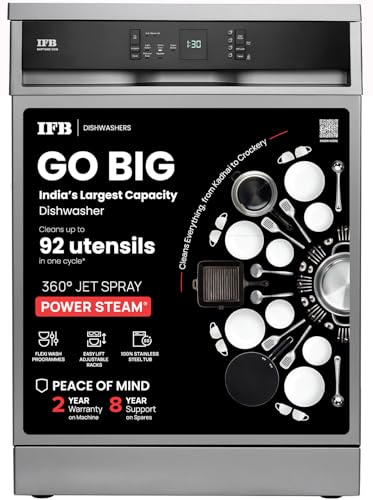
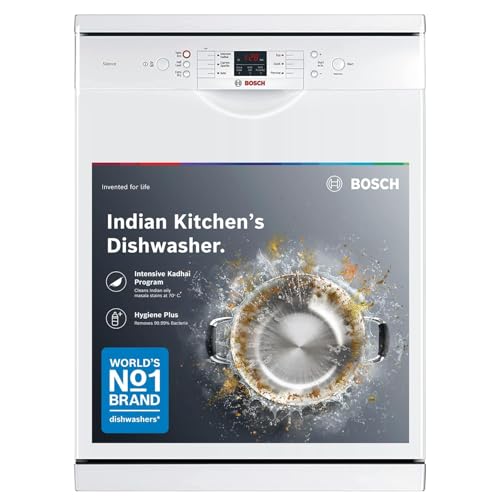
10. Dishwasher
A dishwasher can reduce the manual effort required to clean dishes.
Modern dishwashers may include programs such as:
- Intensive wash
- Eco wash
- Quick wash
- Delicate wash
- Half-load
- Sanitize or hygiene programs, depending on the model
Before purchasing, check:
- Capacity
- Dimensions
- Place-setting capacity
- Water consumption
- Wash programs
- Noise level
- Drying system
- Installation requirements
Make sure your kitchen has suitable water, drainage, and electrical connections.

How to Choose Home Appliances for Your House
Buying home appliances should begin with your actual household requirements.
Consider the following questions:
How many people live in your home?
A larger family may require higher-capacity appliances.
How much space do you have?
Measure the available space before buying large appliances such as refrigerators, washing machines, dishwashers, and AC units.
How frequently will the appliance be used?
Daily-use appliances may justify spending more on convenience, efficiency, and durability.
What features do you actually need?
Avoid paying extra for features you are unlikely to use.
What will the appliance cost to operate?
Consider electricity, water, filters, detergent, maintenance, and other recurring expenses.
Energy Efficiency and Home Appliances
Energy efficiency can have a significant impact on long-term household operating costs.
When shopping for appliances, check applicable energy-efficiency information and estimated consumption.
For frequently used appliances such as:
- Refrigerators
- Air conditioners
- Washing machines
- Water heaters
- Air coolers
energy consumption can be particularly relevant.
Remember that actual electricity consumption depends on usage patterns and environmental conditions.
Smart Home Appliances
Smart home appliances can connect to Wi-Fi or other smart-home systems.
Depending on the appliance, smart functionality may allow you to:
- Monitor appliance status
- Receive notifications
- Control selected functions remotely
- Run diagnostics
- Create schedules
- Integrate with compatible voice assistants
Smart features can add convenience, but they are not necessary for every household.
Home Appliances for Small Homes
If you have limited space, choose compact or multifunctional appliances.
Useful options may include:
- Compact washing machines
- Smaller refrigerators
- Stick vacuum cleaners
- Compact air purifiers
- Portable air coolers
- Small microwave ovens
- Compact water heaters
Always check the exact dimensions before purchasing.
Home Appliances for Large Families
Large households may benefit from higher-capacity appliances.
Examples include:
- Large refrigerators
- 8–10 kg washing machines
- High-capacity water heaters
- Larger dishwashers
- High-CADR air purifiers
- Higher-capacity vacuum cleaners
Choose capacity based on actual household usage rather than buying the largest appliance available.
Tips for Buying Home Appliances Online
Online shopping makes it easy to compare multiple brands and models.
Before ordering, check:
- Exact model number
- Product dimensions
- Capacity
- Power requirements
- Energy-efficiency information
- Warranty
- Installation requirements
- Included accessories
- Seller information
- Current price
- Delivery availability
Also check whether installation and demonstration are included, especially for large appliances.
How to Get the Best Home Appliance Deals
You may find discounts during major online sales and promotional periods.
Look for:
- Festival sales
- Seasonal discounts
- Bank offers
- Cashback
- Exchange offers
- Manufacturer promotions
- Bundle offers
- No-cost EMI offers where available
Compare the final price rather than focusing only on the advertised discount percentage.
Home Appliance Maintenance Tips
Proper maintenance can help appliances operate effectively and may extend their useful life.
Clean Appliances Regularly
Remove dust, dirt, food residue, and other buildup according to the manufacturer’s instructions.
Follow the User Manual
Use the appliance within its specified operating conditions.
Don’t Overload
Avoid exceeding recommended capacity for washing machines, refrigerators, dishwashers, and other appliances.
Replace Filters When Required
Air purifiers, water purifiers, and some vacuum cleaners use filters that require periodic cleaning or replacement.
Keep Ventilation Clear
Appliances that generate or move heat require appropriate ventilation and clearance.
Check Electrical Connections
If a plug, cable, or appliance component appears damaged, stop using the appliance and follow the manufacturer’s service instructions.
Frequently Asked Questions About Home Appliances
Which home appliances are most important?
Commonly important appliances include refrigerators, washing machines, air conditioners or coolers, cooking appliances, vacuum cleaners, and water-related appliances. Your priorities depend on your household requirements.
How do I choose the right appliance size?
Consider the number of people in your household, frequency of use, available space, and typical load size.
Are energy-efficient appliances worth buying?
Energy-efficient appliances can potentially reduce electricity consumption over their operating life. Compare the appliance’s efficiency information and expected usage.
Should I buy smart home appliances?
Smart appliances can provide remote monitoring and additional controls, but these features are optional. Choose them if the connected functionality is useful for your routine.
How can I make home appliances last longer?
Regular cleaning, correct usage, proper installation, avoiding overload, and following manufacturer maintenance instructions can help maintain appliances.
Should I buy appliances online?
Online shopping can provide a wide selection and convenient price comparison. Before buying, verify the exact model, seller, warranty, dimensions, installation terms, and delivery availability.
Which appliances consume the most electricity?
Electricity consumption varies considerably by appliance, model, usage time, and operating conditions. Appliances that run for long periods or use substantial heating/cooling power can have significant energy consumption.
What should I check before buying a large appliance?
Check dimensions, capacity, power requirements, installation requirements, warranty, service availability, delivery access, and operating costs.
Final Thoughts
The right home appliances can make everyday household tasks more convenient and efficient. However, choosing appliances based solely on price or appearance may not provide the best fit for your home.
Before purchasing, consider capacity, dimensions, energy efficiency, features, operating costs, maintenance, warranty, installation requirements, and your actual household needs.
Whether you are shopping for an air conditioner, refrigerator, washing machine, vacuum cleaner, air purifier, water purifier, water heater, microwave oven, air cooler, or dishwasher, compare the specifications of individual models before making your purchase.
Affiliate Disclosure: This article may contain affiliate links. If you purchase a product through our links, we may earn a commission at no additional cost to you. Prices, specifications, offers, availability, and warranty terms may change over time. Always verify the latest information with the retailer or manufacturer before purchasing.