
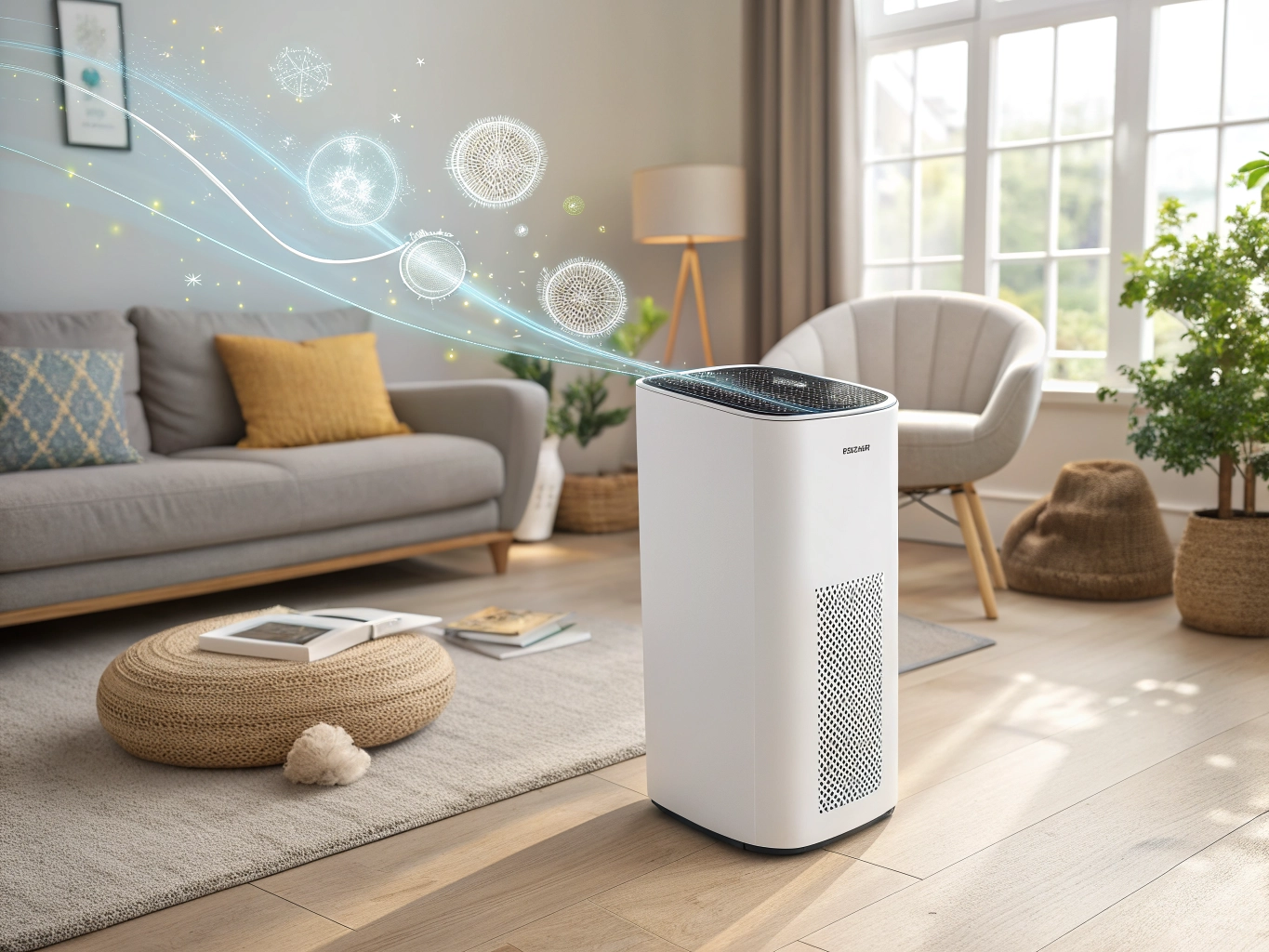
Indoor air can contain dust, pollen, smoke, pet dander, fine particles, and other airborne pollutants. Keeping your home well-ventilated and regularly cleaned is important, but an air purifier can provide an additional way to filter certain airborne particles from indoor air.
Modern air purifiers come in different sizes and designs, with features such as HEPA filtration, activated carbon filters, air-quality sensors, automatic modes, smartphone connectivity, sleep modes, and filter replacement alerts.
Choosing the right air purifier in India depends on the size of your room, the type of pollutants you want to reduce, the purifier’s clean-air delivery performance, filter type, noise level, replacement-filter cost, and the features you actually need.
In this guide, we cover everything you should know before buying an air purifier, including how air purifiers work, HEPA filters, activated carbon, CADR, room size, smart features, maintenance, common mistakes, and how to choose the right model.
What Is an Air Purifier?
An air purifier is an electrical appliance designed to remove or reduce certain pollutants from indoor air.
Depending on the technology used, an air purifier may help filter:
- Dust
- Fine particulate matter
- Pollen
- Pet dander
- Smoke particles
- Certain airborne allergens
- Some odors and gases
Different technologies target different pollutants, so it is important to understand the filtration system before buying.
How Does an Air Purifier Work?
Most household air purifiers use a fan to pull room air through one or more filters.
A typical filtration system may include:
- Pre-filter
- HEPA or high-efficiency particle filter
- Activated carbon filter
The cleaner air is then circulated back into the room.
Some air purifiers also use additional technologies such as ionization or UV-based systems. These features should be evaluated carefully based on the manufacturer’s specifications and intended use.
Why Buy an Air Purifier?
There are several reasons people choose air purifiers for their homes and workplaces.
1. Helps Reduce Airborne Particles
A suitable filter can capture many airborne particles that pass through the purifier.
2. Helps Reduce Dust
Air purifiers can help reduce suspended dust particles, although they do not replace regular dusting and vacuuming.
3. Helps Reduce Pollen and Pet Dander
High-efficiency particle filtration can capture many airborne particles such as pollen and pet dander.
4. Helps Reduce Some Odors
Air purifiers containing activated carbon can help reduce certain odors and gaseous pollutants.
5. Useful During Poor Outdoor Air Quality
When outdoor air quality is poor, people may use air purifiers to improve indoor particle levels alongside appropriate ventilation and other measures.
6. Convenient Automatic Operation
Many modern models include automatic modes that adjust fan operation based on detected air conditions.
10 Best Air Purifiers to Consider
1. Best Air Purifier Overall
Why Consider It?
Use this section for your main air purifier recommendation. Look for a model that balances filtration performance, room coverage, noise level, operating cost, filter availability, and useful smart features.
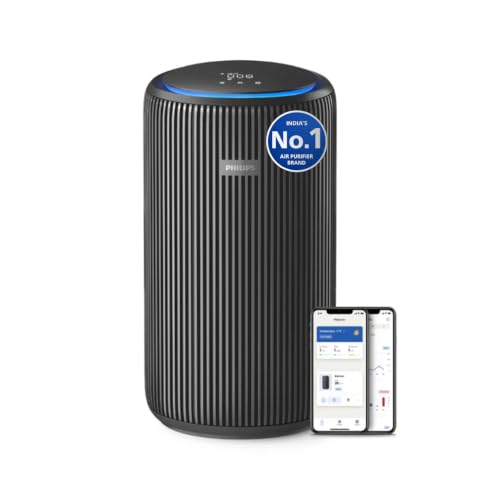
- Purifies Large Rooms with Ease – With 520 m3/h CADR, the AC3221 covers rooms up to 1453 sqft (135 m2 NRCC) or 670 sqft (…
- 3-Layer HEPA NanoProtect Filtration – Captures 99.97% of particles down to 0.003 microns, 100x smaller than standard HEP…
- Quiet Even at Maximum Power with SilentWings – Stay quiet even on Turbo power, so purification never disrupts your day.
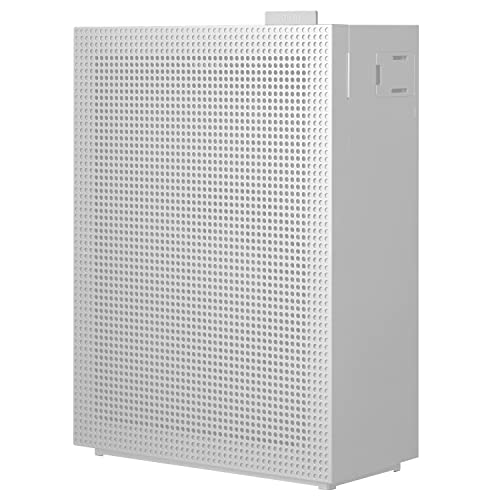
- WORLD LEADER IN AIR CARE: Coway is a trusted South Korean brand renowned for its innovative air purifiers. With the worl…
- SPECIAL ANTI-VIRUS GREEN TRUE HEPA FILTER: Coway’s Patented Anti-Virus Hepa Filter not only captures allergies, viruses,…
- 3-STAGE AIR PURIFICATION: Features a Pre-Filter for PM10 particles, a Patented Urethane Carbon Filter for removing bad o…
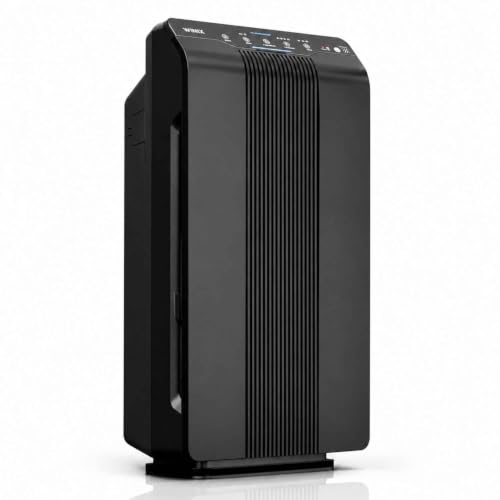
- True-HEPA filter captures 99. 97% of airborne pollutants; dust mites, pet dander, pollen and other allergens as small as…
- Washable AOC Carbon Filter, made from activated carbon granulars for removal of household odors.
- PlasmaWave acts as a permanent filter to safely break down odor, allergens, chemical vapors and other pollutants – with …
2. Best Budget Air Purifier
Why Consider It?
A budget air purifier can be suitable for bedrooms, study rooms, small offices, or other relatively compact spaces.
Prioritize effective particle filtration and reasonable replacement-filter costs rather than paying for features you may not use.

- PREMIUM HEPA H13 FILTRATION: Removes up to 99.99% of PM2.5 particles for cleaner, healthier air at home
- 3-STAGE PURIFICATION: Pre-filter and HEPA filtration work together to capture fine airborne particles down to 0.5 micron…
- HIGH AIR DELIVERY RATE: CADR of up to 152 cu.m/hr efficiently purifies rooms up to 235 sq ft (22 sq m)
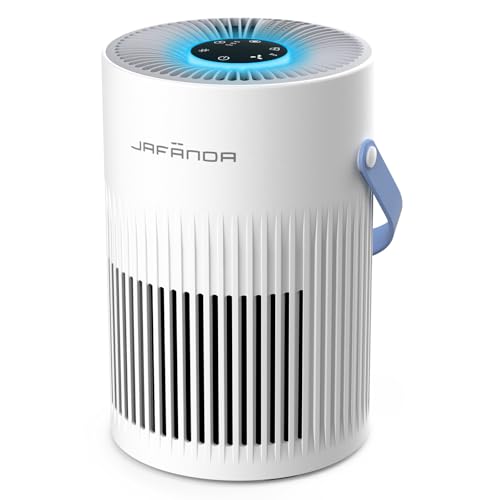
- Advanced 3-Stage True HEPA Filtration: The high-performance filtration system combines a pre-filter, True HEPA filter, a…
- Ultra-Quiet 20 dB Sleep Mode: Operating at just 20 dB, the Jafanda JF068 delivers whisper-quiet air purification for uni…
- Compact & Portable Design with Carry Handle: Designed for convenience, the lightweight air purifier features a built-in …

- TOP-RATED AIR PURIFIER BRAND: LEVOIT is the #1 selling air purifier brand in the United States, recognized globally for …
- WORRY-FREE AIR QUALITY: Effectively addresses common air quality issues like pollen, dust, smoke smells, and pet dander,…
- UNIQUE AROMATHERAPY FEATURE: Enhances your space by allowing you to add essential oils to the aroma pad, providing a ref…
3. Best Air Purifier for Bedroom
Why Consider It?
For bedrooms, quiet operation is especially important.
Look for features such as:
- Sleep mode
- Low fan noise
- Adjustable fan speed
- Display dimming
- Timer
- Automatic mode

- Ideal Air Purifier for Bedroom: Large coverage area of 462 Sq.ft and high particle CADR of up to 360m³/h, delivering 600…
- Real-time AQI & Environmental Display: LED display provides real-time AQI, temperature, humidity, Wi-Fi status and mode …
- TÜV Allergy Care Certification: World’s First TUV Allergy Care certified Air Purifier, TÜV is an internationally recogni…
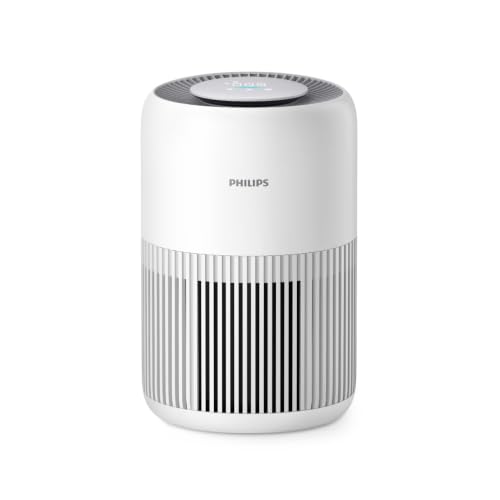
- Purifies Small Rooms Fast – With 250 m3/h CADR, the AC0920 covers rooms up to 700 sqft (65 m2 NRCC) or 320 sqft (30 m2 G…
- 2-Layer HEPA NanoProtect Filtration – Captures 99.97% of particles as small as 0.003 microns, 100x smaller than standard…
- Quiet Sleep Mode – Runs as low as 20.5 dB on its lowest setting, quiet enough for a bedroom or study without disrupting …

- Plasmacluster Ion: SHARP’s patented technology uses nature’s way of purification and is certified by laboratories the wo…
- SHARP Room Air Purifiers work on the concept of Dual Purification by use of the Plasmacluster & Filters (Pre-Filter, HEP…
- HEPA Filter traps 99.97% allergens and microscopic dust as smallest as 0.3-micron and has a standard life of up to 2 yea…
4. Best Air Purifier for Large Rooms
Why Consider It?
Large rooms require an air purifier capable of circulating and filtering enough air.
Pay particular attention to the manufacturer’s stated CADR and recommended room size rather than choosing a purifier based only on physical size.
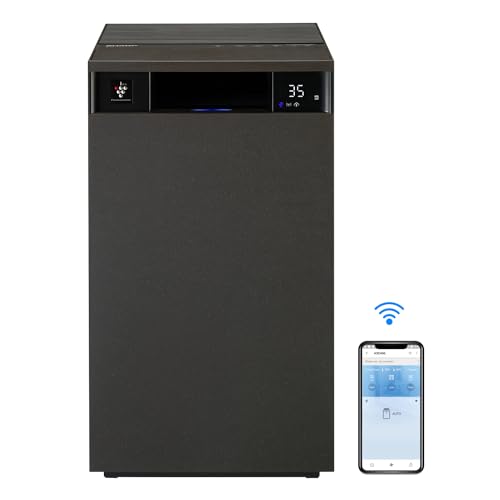
- Use your mobile phone as a remote device to control your air purifier from any corner of the earth. Track air quality of…
- Automatic Operation (Auto Mode): Fan Speed is controlled depending on the PM 2.5 Levels, Temperature, Humidity and the 3…
- Your air purifier works on the concept of Dual Purification by use of the Plasmacluster Ions and Filters (Pre-Filter, HE…
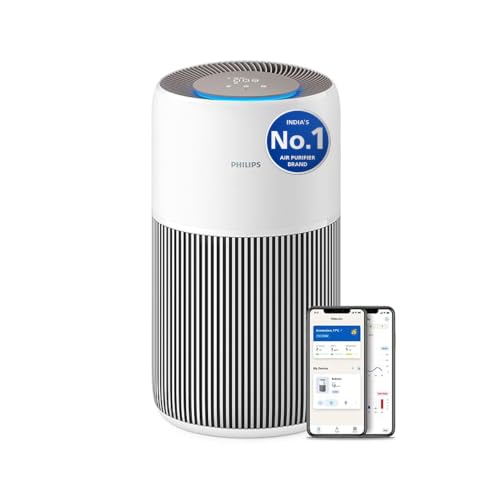
- Purifies Medium-Large Rooms – With 420 m3/h CADR, the AC2220 covers rooms up to 1173 sqft (109 m2 NRCC) or 540 sqft (50 …
- 3-Layer HEPA NanoProtect Filtration – Captures 99.97% of particles down to 0.003 microns, 100x smaller than standard HEP…
- Our Quietest Purifier with SilentWings – Inspired by the silent flight of owls, our fan blade design keeps purification …
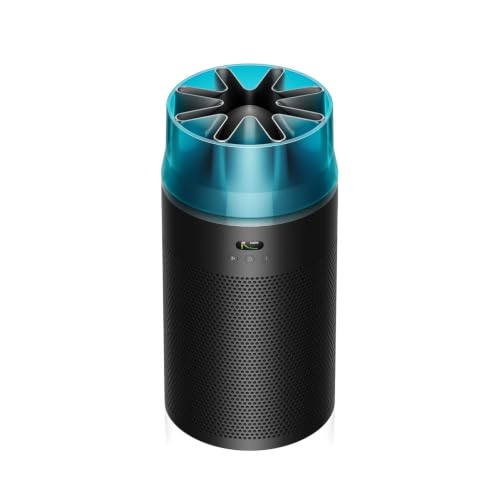
- Unique Dyson Hushjet air projection purifies rooms upto 1076 sq.ft. Quietly.
- Captures gases and 99.97% of particles up to 0.3 microns including viruses, allergens and mould.
- Auto mode. Constantly senses and reacts automatically to the pollution in your home.
5. Best Air Purifier with HEPA Filter
Why Consider It?
A high-efficiency particle filter is one of the most important components for reducing airborne particles.
Check the exact filter specification provided by the manufacturer and whether replacement filters are readily available.
- WORLD LEADER IN AIR CARE: Coway is a trusted South Korean brand renowned for its innovative air purifiers. With the worl…
- SPECIAL ANTI-VIRUS GREEN TRUE HEPA FILTER: Coway’s Patented Anti-Virus Hepa Filter not only captures allergies, viruses,…
- 3-STAGE AIR PURIFICATION: Features a Pre-Filter for PM10 particles, a Patented Urethane Carbon Filter for removing bad o…
- Plasmacluster Ion: SHARP’s patented technology uses nature’s way of purification and is certified by laboratories the wo…
- SHARP Room Air Purifiers work on the concept of Dual Purification by use of the Plasmacluster & Filters (Pre-Filter, HEP…
- HEPA Filter traps 99.97% allergens and microscopic dust as smallest as 0.3-micron and has a standard life of up to 2 yea…

- *Philips – India’s No. 1 Air Purifier Brand . WARRANTY: – 2 years on product
- IDEAL PURIFIER FOR BEDROOM: Large coverage of up to 36 m²(380 sqft), it purifies a standard room in just 10 minutes with…
- 3-LAYER HEPA FILTRATION: Captures 99.97% of particles up to 0.003 microns (PM0.003)– to protect from pollen, dust, pet d…
6. Best Smart Air Purifier
Why Consider It?
Smart air purifiers may offer:
- Smartphone app control
- Wi-Fi connectivity
- Air-quality monitoring
- Automatic mode
- Scheduling
- Filter replacement notifications
- Voice assistant compatibility
These features can make everyday operation more convenient.

- Blast MkII is a powerful air purifier. Thanks to its powerful fan, Blast sends a high volume of air through a large HEPA…
- Largest H13 HEPA Filter: H13 HEPA Filter captures 99.95% of airborne pollutants. Super-sized HEPA captures pollution (PM…
- Advanced aerodynamically designed fan blades and duct reduces noise and wind resistance making Blast the quietest air pu…
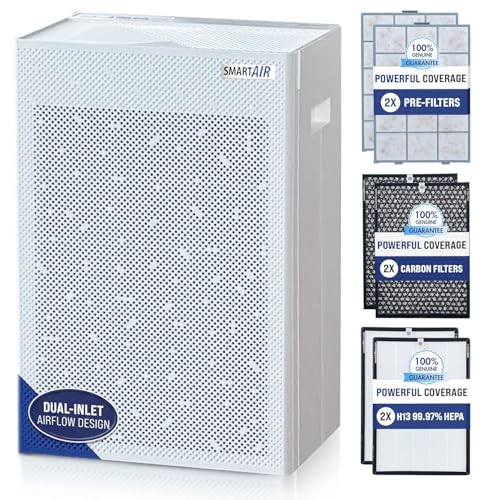
- [NEW LAUNCH] 645 sq. ft COVERAGE – CADR of 500 m3/h to clean area in just 16 minutes.
- 3 STAGE DUAL FILTRATION SYSTEM: Employing a dual set of pre-filters, carbon filters, and HEPA13 filters, the SA600 air p…
- DUAL INLET FOR MAX PERFORMANCE: Engineered to clean air from both sides with a set of filters on both sides of the purif…
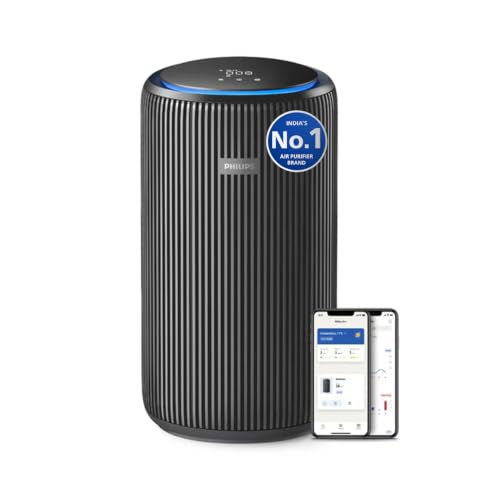
- Our Best Purifier – Quiet & Energy Efficient – With 600 m3/h CADR, the AC4221 covers rooms up to 1679 sqft (156 m2 NRCC)…
- 4-Layer HEPA NanoProtect Filtration – Prefilter, HEPA NanoProtect, and 2x Active Carbon layers capture 99.97% of particl…
- Quiet Even at Maximum Power with SilentWings – Stay quiet even on Turbo power, so purification never disrupts your day.
7. Best Air Purifier for Dust and Allergens
Why Consider It?
For airborne dust, pollen, and similar particles, look for an efficient particle filtration system and adequate airflow for the room.
A good purifier should be appropriately sized for the space where it will be used.
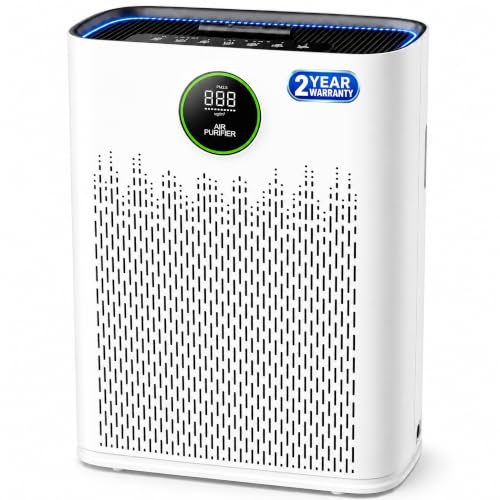
- 【High-Density HEPA Filtration System】Powered by a high-density HEPA filter, this air purifier captures ultrafine 0.1–0.3…
- 【Smart Air Quality Monitoring】Equipped with a high-precision PM2.5 sensor, this air purifier for home provides round-the…
- 【Quiet Inverter Operation】Powered by a durable and energy-efficient DC brushless inverter motor, this air purifier deliv…

- Multi Air Filtration – Pre-Filter helps capture larger particles such as dust and pet hair, True HEPA H13 Filter helps c…
- 570 SQ. FT. IN 15 MINUTES – Powerful purification covers up to 570 sq. ft. in approximately 15 minutes, ideal for bedroo…
- 99.99% AIR PURIFICATION – Helps remove up to 99.99% of targeted allergens, pet hair, dust, germs and viruses, supporting…

- 🌀 Powerful Coverage up to 600 Sq.ft — Ideal for bedrooms, living rooms, offices & urban Indian homes. High CADR ensures …
- 🌿 H13 True HEPA Filtration (99.99%) — Captures PM2.5, allergens, dust, pollen, smoke, pet dander & odors — perfect for a…
- 📊 Smart PM2.5 Air Quality Monitor — Real-time LED display shows indoor air quality levels so you can breathe easy and tr…
8. Best Air Purifier for Smoke and Odors
Why Consider It?
If smoke and odors are a major concern, consider a purifier with both particle filtration and a meaningful amount of activated carbon.
Particle filters and carbon filters perform different jobs, so having both can be useful when addressing different types of pollutants.
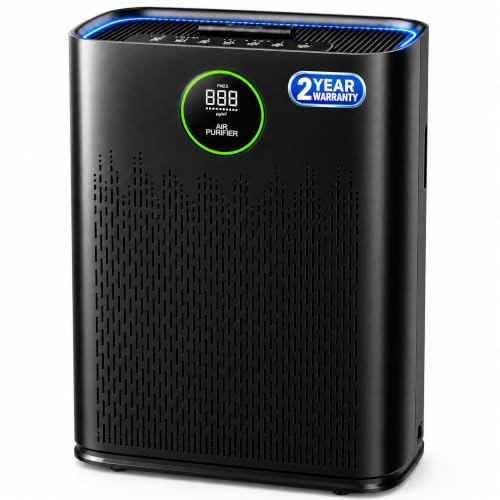
- 【High-Density HEPA Filtration System】Powered by a high-density HEPA filter, this air purifier captures ultrafine 0.1–0.3…
- 【Smart Air Quality Monitoring】Equipped with a high-precision PM2.5 sensor, this air purifier for home provides round-the…
- 【Quiet Inverter Operation】Powered by a durable and energy-efficient DC brushless inverter motor, this air purifier deliv…
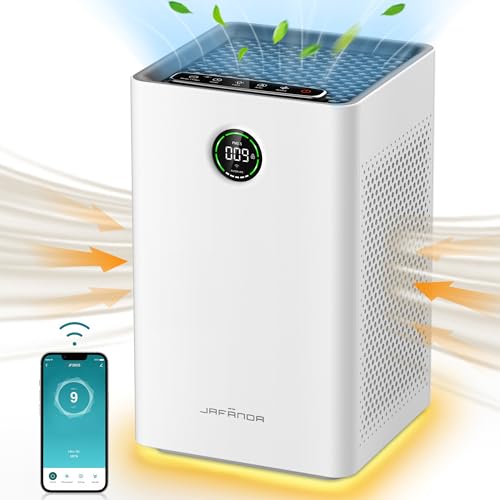
- POWERFUL PURIFICATION FOR LARGE ROOMS: 260 m³/h CADR delivers efficient air purification for larger living spaces and fa…
- REAL-TIME AIR QUALITY + SMART CONTROL: Control the JF260S with the Smart app to monitor air quality and adjust fan speed…
- 3-STAGE H13 TRUE HEPA FILTRATION: JF260S features a Pre-Filter + H13 True HEPA + Activated Carbon filtration system that…
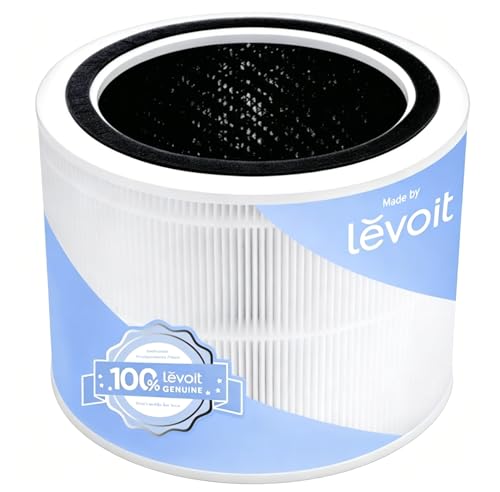
- 𝐆𝐄𝐍𝐔𝐈𝐍𝐄 𝐑𝐄𝐏𝐋𝐀𝐂𝐄𝐌𝐄𝐍𝐓 𝐅𝐈𝐋𝐓𝐄𝐑: Designed for Core Series air purifiers to maintain peak performance. Use genuine filters for…
- 𝐓𝐑𝐀𝐂𝐊 𝐅𝐈𝐋𝐓𝐄𝐑 𝐂𝐎𝐍𝐃𝐈𝐓𝐈𝐎𝐍 𝐎𝐍 𝐘𝐎𝐔𝐑 𝐏𝐇𝐎𝐍𝐄: Keep a close eye on your filter life with the Vesync app. It is recommended to rep…
- 𝐁𝐔𝐘 𝐑𝐄𝐏𝐋𝐀𝐂𝐄𝐌𝐄𝐍𝐓 𝐅𝐈𝐋𝐓𝐄𝐑 𝐖𝐈𝐓𝐇 𝐎𝐍𝐄 𝐓𝐀𝐏: When it’s time for a fresh filter, tap “Buy Filter” on the Vesync app to make your …
9. Best Air Purifier for Small Rooms
Why Consider It?
A compact purifier can be useful for:
- Bedrooms
- Study rooms
- Small offices
- Guest rooms
- Small apartments
Check the manufacturer’s recommended coverage before purchasing.
- Advanced 3-Stage True HEPA Filtration: The high-performance filtration system combines a pre-filter, True HEPA filter, a…
- Ultra-Quiet 20 dB Sleep Mode: Operating at just 20 dB, the Jafanda JF068 delivers whisper-quiet air purification for uni…
- Compact & Portable Design with Carry Handle: Designed for convenience, the lightweight air purifier features a built-in …
- TOP-RATED AIR PURIFIER BRAND: LEVOIT is the #1 selling air purifier brand in the United States, recognized globally for …
- WORRY-FREE AIR QUALITY: Effectively addresses common air quality issues like pollen, dust, smoke smells, and pet dander,…
- UNIQUE AROMATHERAPY FEATURE: Enhances your space by allowing you to add essential oils to the aroma pad, providing a ref…
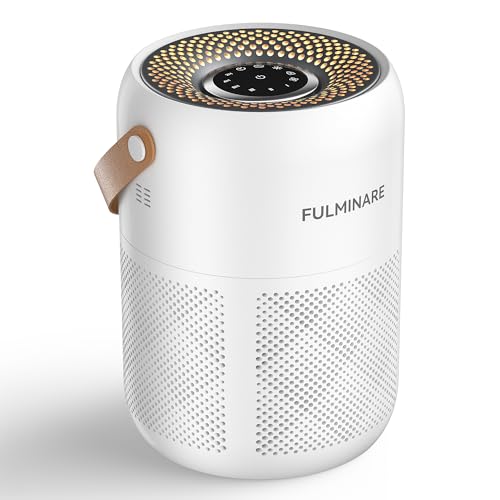
- Highly Efficient Filtration: FULMINARE premium home air purifier have 360-degrees air inlets for rooms up to 680 ft² . T…
- Low Decibel Sleep Mode: The noise level of the hepa filter air purifiers is as low as 24 dB, is as silent as your own br…
- 3 Fan Speeds&Timer Function:FULMINARE home air purifier various timer settings, 2/4/8/10/12 hours according to personal …
10. Best Premium Air Purifier
Why Consider It?
Premium air purifiers may offer stronger airflow, larger filters, advanced sensors, smart controls, improved automation, and more sophisticated filtration systems.
They may be suitable for users who want additional convenience and advanced monitoring features.
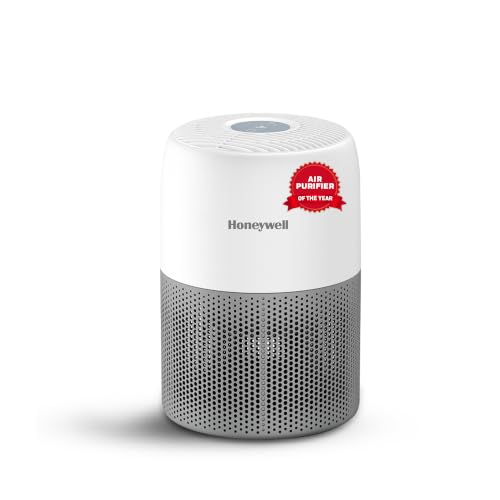
- Protect your Home & Office from smoke, Dust, Pollens, virus, Bacteria and Pet Danger to give safe indoor environment to …
- Removes 99.99% Micro Allergens and airborne Pollutants including PM 2.5 and PM 10
- CADR of Up to 152 m3/h and coverage area of up to 235 sq. ft. or 22 sq.m2 with 2 air changes per hour
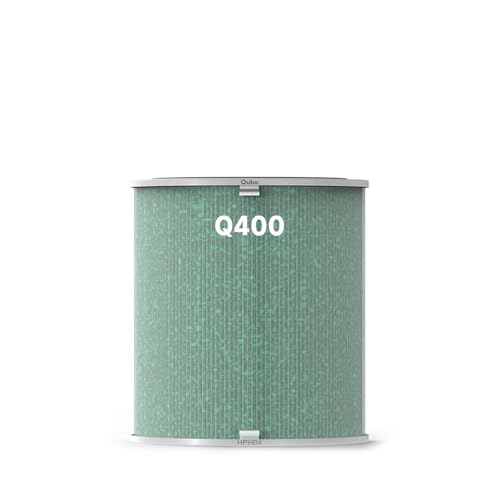
- 【Removes Up To 99.99% Of Pollutants】Equipped with 4-layer filtration, Qubo Smart Air Purifier Q400 traps pollen, dust, p…
- 【4-Layer Filtration】Designed with a 4-layer system: Pre-Filter, HEPA H13, Activated Carbon, and Nano-Silver Coating—engi…
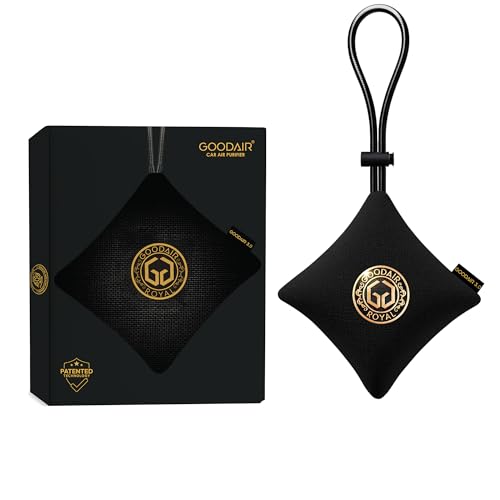
- 🌟 Comprehensive 24/7 Protection: Provides continuous protection against harmful gases such as Sulphur Dioxide, Formaldeh…
- ✅ Certified and Trusted Quality: Thoroughly tested and certified to meet international standards like ISO, ASTM, and Eur…
- 🔧 Innovative Defense-Grade Technology: Built with cutting-edge filtration technology inspired by defense applications, t…
Understanding HEPA Filters
One of the most important terms to understand when shopping for an air purifier is HEPA.
HEPA stands for High-Efficiency Particulate Air.
A genuine HEPA filter is designed to capture a very high percentage of particles of a specified size under standardized testing conditions.
However, not every product using phrases such as “HEPA-type” or “HEPA-style” necessarily meets the same standard.
When comparing products, check the manufacturer’s exact filter specification.
What Is a Pre-Filter?
A pre-filter is generally the first filtration stage.
It can help capture larger particles such as:
- Hair
- Larger dust particles
- Lint
- Pet hair
The pre-filter also helps reduce the amount of larger debris reaching the main filter.
Regular cleaning of a washable pre-filter can help maintain airflow.
What Is an Activated Carbon Filter?
Activated carbon is primarily used to adsorb certain gases and odors.
It can be useful for:
- Cooking odors
- Smoke odors
- Certain household smells
- Some volatile organic compounds, depending on the filter design
Carbon performance depends on the amount and quality of carbon used, so simply seeing the words “carbon filter” does not tell you how effective a purifier will be against a particular gas or odor.
What Is CADR?
CADR, or Clean Air Delivery Rate, is an important specification when comparing air purifiers.
It indicates how quickly a purifier can deliver filtered air under standardized testing conditions.
Higher CADR can generally mean faster cleaning of a room, assuming other conditions are comparable.
When shopping for an air purifier, look for CADR information rather than relying only on the manufacturer’s suggested room size.
Choosing an Air Purifier Based on Room Size
The correct purifier size matters.
Small Room
For a bedroom, study, or compact office, a smaller purifier may be sufficient.
Medium Room
Living rooms and medium-sized bedrooms may require a purifier with higher airflow.
Large Room
Large living areas may require a higher-CADR model or potentially multiple units depending on the layout.
If your home has multiple enclosed rooms, one purifier may not clean every room equally well because air movement between rooms can be limited.
Air Purifier for Bedroom
A bedroom air purifier should ideally offer:
- Low noise
- Sleep mode
- Adjustable fan speeds
- Appropriate room coverage
- Efficient particle filtration
- Easy filter replacement
A dimmable display can also be useful if bright indicator lights disturb sleep.
Air Purifier for Living Room
Living rooms are often larger and have higher foot traffic.
Consider:
- Higher CADR
- Larger filter
- Automatic mode
- Air-quality sensor
- Wide airflow
- Long operating time
- Easy maintenance
If the living room is connected to a dining or kitchen area, odor-control capability may also be useful.
Air Purifier for Office
For an office or work-from-home space, consider:
- Quiet operation
- Compact design
- Automatic mode
- Low power consumption
- App control
- Filter replacement alerts
A compact purifier can be placed near the working area if it is appropriately sized for the room.
Air Purifier for Pet Owners
Pets can contribute to airborne dander, hair, and odors.
Pet owners should consider:
- Pre-filter
- High-efficiency particle filtration
- Activated carbon
- Easy-to-clean filters
- Good airflow
- Reasonable filter replacement costs
Remember that an air purifier cannot remove all pet hair from floors and furniture. Regular vacuuming remains important.
Air Purifier for Smoke
If smoke is a major concern, consider a combination of particle filtration and activated carbon.
A particle filter can capture many smoke particles, while activated carbon may help with certain gases and odors.
For serious smoke exposure, the most important step is to remove the source of smoke and improve ventilation where appropriate. An air purifier should not be treated as a complete substitute for source control.
Air Purifier for Dust
Air purifiers can help reduce airborne dust particles, but much household dust settles onto surfaces.
Therefore, use an air purifier together with:
- Regular vacuuming
- Dusting
- Cleaning curtains
- Washing bedding
- Cleaning floors
- Maintaining ventilation
Air Purifier for Allergens
High-efficiency particle filtration can help reduce airborne particles such as pollen and pet dander.
However, people with allergies may have different triggers, and reducing indoor airborne particles is only one part of managing exposure.
Air Purifier vs Air Conditioner
| Feature | Air Purifier | Air Conditioner |
|---|---|---|
| Main purpose | Air filtration | Cooling/heating |
| Removes particles | Yes, depending on filter | Usually limited |
| Controls temperature | No | Yes |
| Removes odors | Some models | Limited/model dependent |
| Circulates air | Yes | Yes |
| Replaces the other | No | No |
An air purifier and an air conditioner perform different functions.
Air Purifier vs Air Cooler
Air coolers primarily cool air through evaporation, while air purifiers are designed to filter pollutants.
If your goal is cleaner indoor air, choose a dedicated air purifier with suitable filtration.
Air Purifier vs Humidifier
These appliances serve different purposes.
An air purifier filters certain airborne pollutants.
A humidifier adds moisture to indoor air.
Some people may use both appliances, depending on their indoor environment and needs.
Important Air Purifier Features
Air Quality Sensor
Some models include sensors that detect changes in particulate levels.
Auto Mode
Auto mode can automatically adjust fan speed based on sensor readings.
Sleep Mode
Sleep mode usually reduces fan speed and display brightness.
Timer
A timer allows you to schedule operation for a selected period.
Filter Replacement Alert
This feature reminds you when the filter may need replacement.
Child Lock
A child lock can prevent accidental changes to settings.
Wi-Fi Connectivity
Wi-Fi-enabled models can provide remote control through a smartphone app.
Noise Level
Noise matters particularly in bedrooms and workspaces.
Before buying, check the manufacturer’s stated noise levels at different fan speeds if available.
Remember that maximum fan speed will generally be louder than sleep mode.
Energy Consumption
Air purifiers are often designed to operate for long periods.
Before buying, consider:
- Rated power consumption
- Daily operating hours
- Fan speed
- Standby consumption
- Energy-saving modes
Running a smaller appropriately sized purifier can be more practical than using a large unit unnecessarily.
Filter Replacement Cost
One of the most important long-term costs is replacement filters.
Before buying, check:
- Filter price
- Expected replacement interval
- Availability
- Genuine replacement availability
- Filter installation process
A low-priced purifier with expensive or difficult-to-find replacement filters may cost more over time.
How Often Should You Replace an Air Purifier Filter?
There is no single replacement schedule that applies to every model.
Filter life depends on:
- Usage hours
- Fan speed
- Indoor pollution
- Dust levels
- Pets
- Filter design
Always follow the manufacturer’s replacement recommendation and inspect the filter when appropriate.
How to Maintain an Air Purifier
Regular maintenance is important for efficient operation.
Clean the Pre-Filter
If the pre-filter is washable, clean it according to the manufacturer’s instructions.
Replace the Main Filter
Do not continue using an expired filter indefinitely.
Keep Air Inlets Clear
Avoid placing objects directly against the air intake or outlet.
Clean the Exterior
Use an appropriate dry or slightly damp cloth according to manufacturer instructions.
Check Filter Alerts
If your purifier has a filter indicator, follow its instructions.
Where Should You Place an Air Purifier?
Good placement can improve airflow.
Consider placing the purifier:
- In an open area
- Away from walls
- Away from curtains
- Away from blocked corners
- Where air can circulate freely
Avoid covering the air inlet or outlet.
For bedrooms, placing the unit where it can circulate air effectively throughout the room is generally preferable to hiding it behind furniture.
Should You Keep Doors and Windows Closed?
It depends on the outdoor air quality and ventilation needs.
If outdoor air pollution is high, keeping windows closed while running a properly sized air purifier may reduce the introduction of outdoor particles.
However, ventilation is also important under appropriate conditions.
A purifier should not be viewed as a replacement for all ventilation needs.
Common Air Purifier Buying Mistakes
1. Choosing Based Only on Price
A cheaper unit may have higher long-term filter costs or insufficient airflow.
2. Ignoring CADR
Room coverage claims can vary between manufacturers.
CADR can provide a more useful comparison.
3. Ignoring Filter Replacement Costs
Always check the price and availability of replacement filters.
4. Buying a Small Purifier for a Large Room
An undersized purifier may not circulate enough filtered air through the room.
5. Assuming Every HEPA Claim Is Identical
Check the actual filter specification.
6. Ignoring Noise
A purifier that is too loud may be difficult to use continuously in a bedroom.
7. Expecting an Air Purifier to Remove Everything
Different filtration technologies target different pollutants.
How to Choose the Best Air Purifier
Follow these steps before buying.
Step 1: Measure the Room
Determine the approximate room size where the purifier will be used.
Step 2: Identify Your Main Concern
Are you primarily concerned about:
- Dust?
- Fine particles?
- Pollen?
- Pet dander?
- Smoke?
- Odors?
Step 3: Check CADR
Compare the purifier’s airflow and CADR specifications.
Step 4: Check Filtration
Look for the appropriate combination of particle filtration and activated carbon if odor or gas reduction is important.
Step 5: Check Noise
This is especially important for bedrooms.
Step 6: Calculate Running Costs
Consider electricity and replacement-filter costs.
Step 7: Check Smart Features
Only pay extra for app connectivity, sensors, and other features if they are useful to you.
Step 8: Check Warranty and Service
Make sure replacement filters and service support are reasonably accessible.
Air Purifier Buying Checklist
Before purchasing, check:
- Room size
- CADR
- Filter type
- HEPA specification
- Pre-filter
- Activated carbon
- Air-quality sensor
- Auto mode
- Sleep mode
- Noise level
- Power consumption
- Filter replacement cost
- Filter availability
- App support
- Wi-Fi
- Timer
- Child lock
- Warranty
- After-sales service
Frequently Asked Questions About Air Purifiers
1. Does an air purifier really work?
An appropriately sized air purifier with suitable filtration can reduce certain airborne pollutants. Performance depends on the filter, airflow, room size, operating time, and pollutant type.
2. Is a HEPA air purifier good for dust?
High-efficiency particle filters can capture many airborne dust particles. However, settled dust still needs to be cleaned manually.
3. Can an air purifier remove bad smells?
Models with activated carbon can help reduce certain odors. Performance depends on the amount and type of carbon and the specific odor.
4. Can an air purifier remove smoke?
Particle filtration can capture many smoke particles, while activated carbon can help with some smoke-related gases and odors. Removing the smoke source remains important.
5. Should an air purifier run all day?
Many air purifiers are designed for extended operation, but operating time depends on the model and your indoor environment. Follow the manufacturer’s recommendations.
6. Is an air purifier useful in a bedroom?
Yes, an appropriately sized air purifier can be used in a bedroom. Quiet operation and sleep mode can make it more convenient.
7. How often should an air purifier filter be changed?
It depends on the model and usage. Follow the manufacturer’s recommended replacement schedule.
8. Does an air purifier cool a room?
No. An air purifier is primarily designed for air filtration, not temperature control.
9. Can one air purifier clean an entire house?
It depends on the home’s layout and airflow. One purifier generally works most effectively in the room or connected area where it is operating.
10. What is the most important feature of an air purifier?
There is no single feature that is best for every situation. Appropriate room sizing, adequate airflow, suitable filtration, reasonable operating cost, and reliable maintenance are all important.
Final Thoughts
An air purifier can be a useful addition to a home, office, bedroom, or other indoor space when you want to reduce certain airborne particles and, depending on the model, some odors or gases.
The best choice depends on your specific needs. For bedrooms, prioritize quiet operation. For large rooms, look for sufficient CADR. For dust and allergens, focus on effective particle filtration. For smoke and odors, consider a model with an appropriate activated carbon filter. For convenience, smart controls, automatic modes, and filter alerts can be useful.
Most importantly, don’t choose an air purifier based only on marketing claims. Compare CADR, filter specifications, room size, noise, energy consumption, replacement-filter cost, maintenance requirements, warranty, and service availability before making your purchase.
Affiliate Disclosure
This article may contain affiliate links. If you purchase a product through one of the links on this page, we may earn a small commission at no additional cost to you. Prices, specifications, availability, ratings, offers, and features may change over time. Please check the retailer’s product page for the latest information before purchasing.