
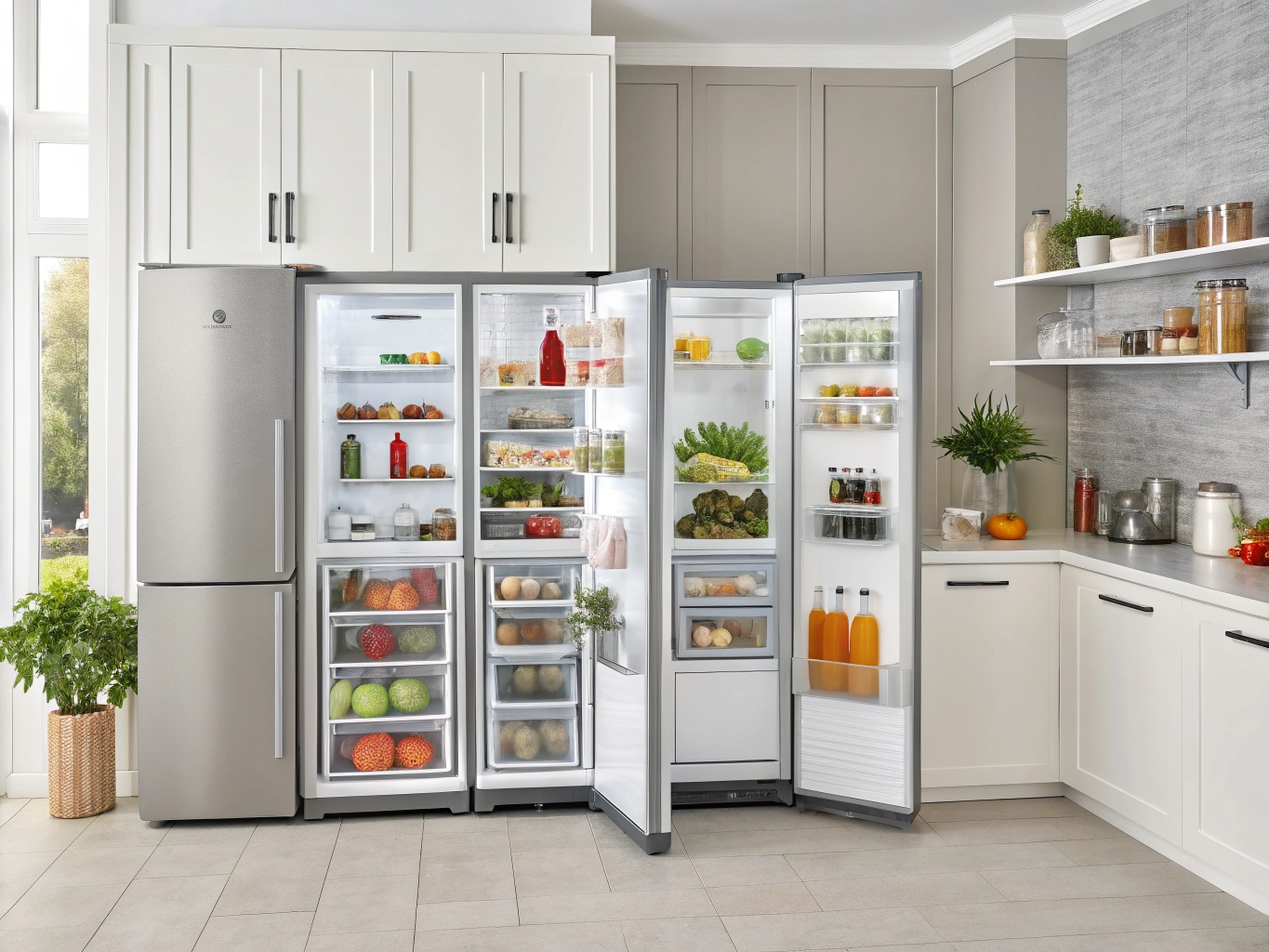
A refrigerator is one of the most important appliances in any modern kitchen. From keeping vegetables and fruits fresh to storing milk, beverages, leftovers, frozen foods, and everyday groceries, a good refrigerator makes food storage more convenient and organized.
With so many options available today—including single-door refrigerators, double-door refrigerators, side-by-side models, French-door refrigerators, convertible refrigerators, and smart refrigerators—choosing the right model can be challenging.
The ideal refrigerator depends on your family size, kitchen space, storage requirements, budget, energy-efficiency preferences, and desired features.
Why Buy a New Refrigerator?
If your current refrigerator is old, too small, noisy, inefficient, or no longer cooling properly, upgrading can make everyday food storage much easier.
Modern refrigerators can offer features such as:
- Frost-free cooling
- Inverter compressors
- Convertible freezer modes
- Digital temperature controls
- Multiple storage compartments
- Large vegetable boxes
- Water dispensers
- Ice makers
- Door alarms
- Deodorizing systems
- Fast cooling
- Smart connectivity
- Adjustable shelves
- Energy-efficient operation
A well-designed refrigerator can also help organize different types of food more effectively.
Types of Refrigerators
Understanding the different refrigerator types is the first step toward choosing the right appliance.
1. Single-Door Refrigerators
Single-door refrigerators generally have one main door with a freezer compartment located inside the refrigerator section.
They are commonly available in smaller capacities and can be suitable for:
- Individuals
- Couples
- Small families
- Bedrooms or secondary kitchens
- Budget-conscious buyers
Their compact design can also make them suitable for kitchens with limited space.
2. Double-Door Refrigerators
Double-door refrigerators usually separate the refrigerator and freezer compartments.
Common configurations include:
- Top freezer
- Bottom freezer
Double-door models are popular because they offer more storage space and convenient organization.
They can be suitable for medium-sized and larger households.
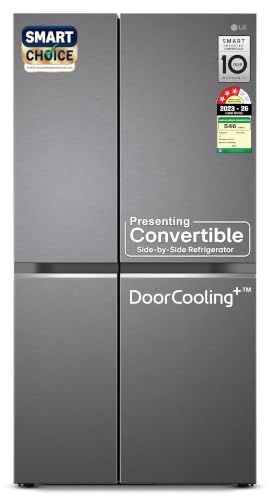
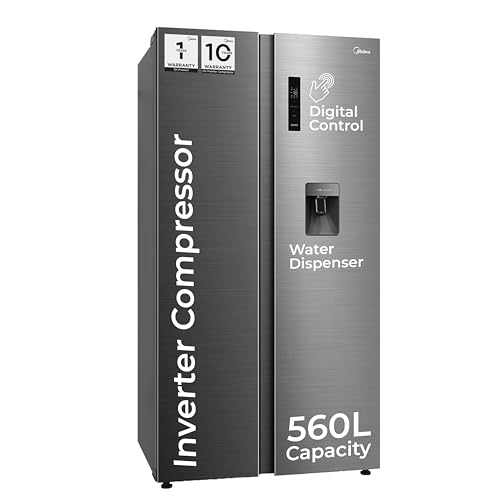
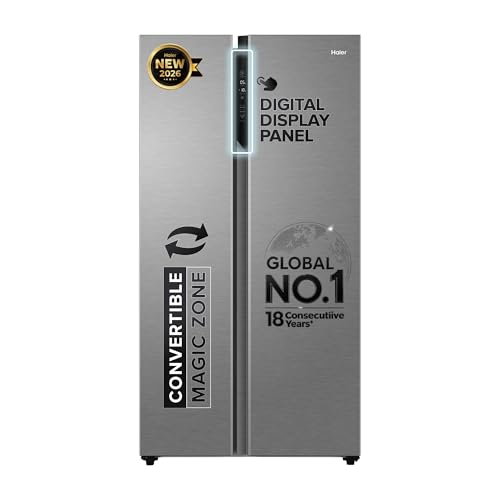
3. Side-by-Side Refrigerators
Side-by-side refrigerators have two vertical compartments positioned next to each other.
One side is generally used for refrigeration while the other is used for freezing.
Potential advantages include:
- Large overall capacity
- Easy organization
- Wide shelves
- Premium appearance
- Convenient access to different compartments
These models usually require more kitchen space than conventional refrigerators.
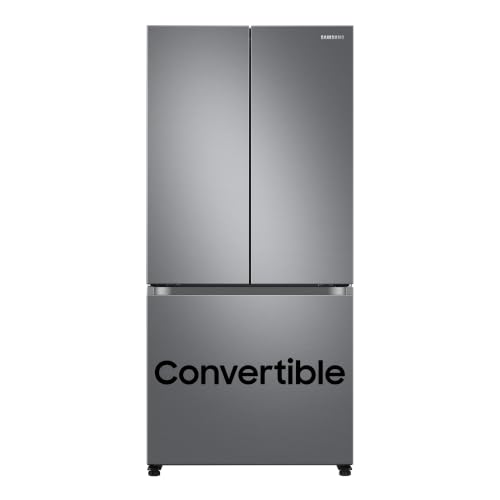
4. French-Door Refrigerators
French-door refrigerators typically have two refrigerator doors at the top and a freezer section below.
They can provide a combination of:
- Large refrigerator storage
- Wide shelves
- Spacious compartments
- Flexible organization
- Premium design
They are generally targeted toward larger households and buyers looking for higher-end appliances.
5. Convertible Refrigerators
Convertible refrigerators allow the freezer or other compartments to be adjusted for different storage requirements.
For example, depending on the model, you may be able to convert freezer space into additional refrigerator storage.
This can be useful when you need more refrigerator space during certain periods and more freezer capacity at other times.
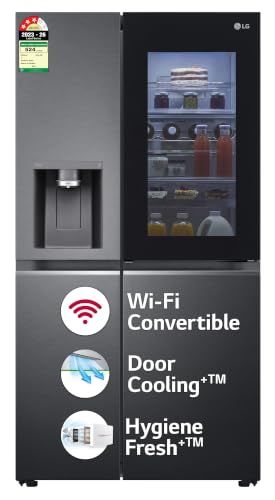
6. Smart Refrigerators
Smart refrigerators can include Wi-Fi connectivity and smartphone applications.
Depending on the model, smart features may include:
- Remote monitoring
- Temperature control
- Smart diagnostics
- Door-open notifications
- Energy monitoring
- Inventory-related features
- Smart home integration
These features are not essential for everyone, but they can be useful for technology-focused households.
How to Choose the Right Refrigerator
1. Choose the Correct Capacity
Capacity is usually measured in litres.
Common refrigerator capacities include:
- 150–200 litres
- 200–250 litres
- 250–350 litres
- 350–450 litres
- 450–550 litres
- 550 litres and above
Your ideal capacity depends on household size and shopping habits.
150–250 Litres
Suitable for individuals, couples, or smaller households.
250–350 Litres
A practical range for many small and medium-sized families.
350–500 Litres
Useful for larger families or people who store substantial quantities of fresh food.
500 Litres+
Suitable for large households or buyers who want extensive refrigerator and freezer storage.
Capacity alone should not determine your choice. Also consider the internal layout and usable storage space.
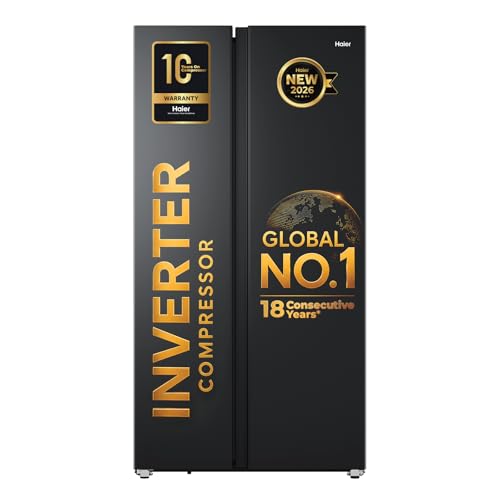
2. Check the Compressor Type
The compressor is one of the most important components of a refrigerator.
Modern refrigerators may use inverter compressors designed to adjust their operation based on cooling requirements.
Potential advantages of inverter compressor technology can include:
- More efficient operation
- Reduced temperature fluctuations
- Lower operating noise
- Potentially lower electricity consumption
Actual performance depends on the individual refrigerator, usage, room temperature, and other factors.
3. Frost-Free vs Direct Cool
Frost-Free Refrigerators
Frost-free refrigerators circulate cold air to help prevent significant ice buildup inside the freezer.
Advantages can include:
- Less manual defrosting
- Convenient maintenance
- More consistent cooling
- Better usability
Frost-free models are commonly found in double-door and larger refrigerators.
Direct-Cool Refrigerators
Direct-cool refrigerators use natural convection to circulate cold air.
They are often found in smaller single-door models.
Advantages may include:
- Simpler design
- Lower initial price
- Lower power consumption on some models
However, manual defrosting may be required depending on the model.
4. Energy Efficiency
A refrigerator operates continuously, so energy consumption is an important consideration.
When comparing models, check the applicable energy-efficiency rating and estimated electricity consumption.
A more efficient refrigerator can help reduce long-term electricity expenses.
However, actual electricity usage can vary based on:
- Ambient temperature
- Refrigerator size
- Temperature settings
- Frequency of door opening
- Amount of food stored
- Installation conditions
5. Storage Organization
A refrigerator with well-designed storage can be easier to use than one with a larger capacity but poor organization.
Look for:
- Adjustable shelves
- Bottle racks
- Door bins
- Vegetable drawers
- Fruit compartments
- Egg trays
- Dedicated dairy storage
- Large freezer baskets
Glass shelves can also provide a sturdy surface for storing containers and food items.
6. Vegetable and Fruit Storage
If your household regularly purchases fresh vegetables and fruits, pay attention to the size and design of the vegetable compartment.
Some refrigerators use humidity-control features designed to help maintain suitable conditions for fresh produce.
A larger crisper drawer can be especially useful for households that buy vegetables in bulk.
7. Freezer Capacity
Freezer requirements vary significantly between households.
If you regularly store:
- Frozen vegetables
- Ice cream
- Frozen meat
- Fish
- Chicken
- Frozen snacks
- Ice
- Prepared food
you may want a refrigerator with a larger freezer section.
If you mostly store fresh food, a model with more refrigerator space and a smaller freezer may be more practical.
8. Cooling Technology
Manufacturers use different technologies to distribute cold air and maintain temperatures.
Features may include:
- Multi-airflow systems
- Surround cooling
- All-around cooling
- Rapid cooling
- Power cool
- Power freeze
- Twin cooling systems
When comparing models, focus on the actual specifications and intended benefits rather than the marketing name alone.
9. Door Design
Different door configurations provide different storage layouts.
Common designs include:
- Single door
- Double door
- Triple door
- Side-by-side
- French door
Choose a design that matches your kitchen layout and storage requirements.
10. Refrigerator Dimensions
Before ordering a refrigerator online, carefully measure the available space.
Check:
- Width
- Height
- Depth
- Door-opening clearance
- Wall clearance
- Kitchen entrance
- Lift or staircase access
A refrigerator can fit within the designated space but still be difficult to install if there isn’t enough clearance for the doors to open properly.
1: Best Budget Refrigerator
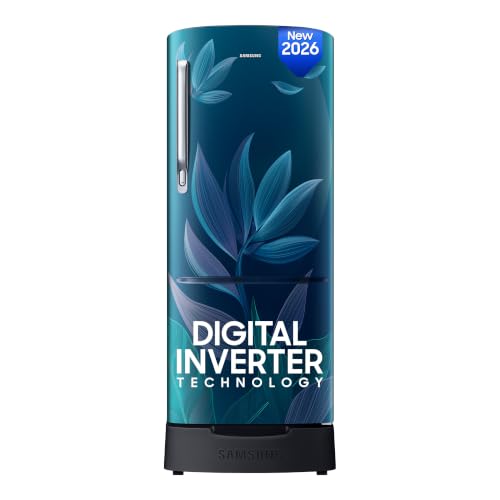
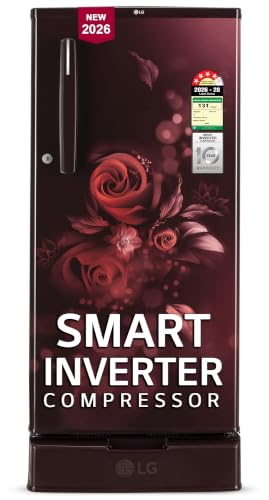
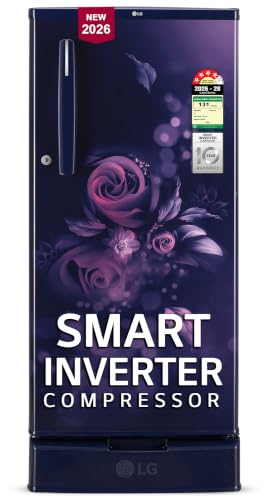
2: Best Single-Door Refrigerator

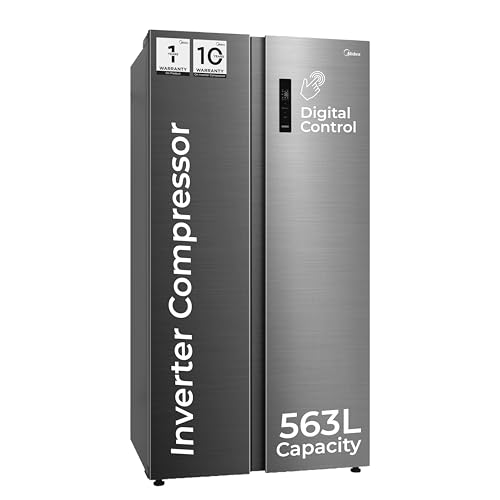
3: Best Double-Door Refrigerator
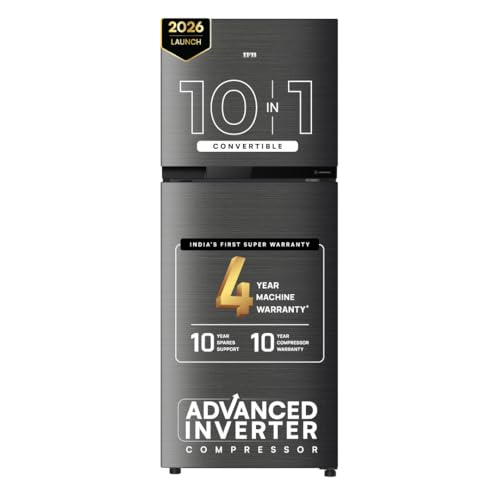
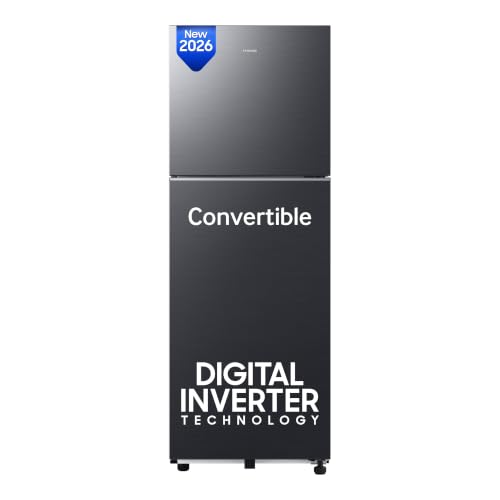

4: Best 300–400 Litre Refrigerator

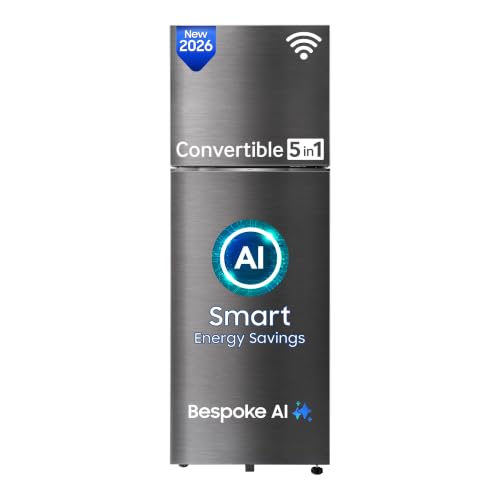
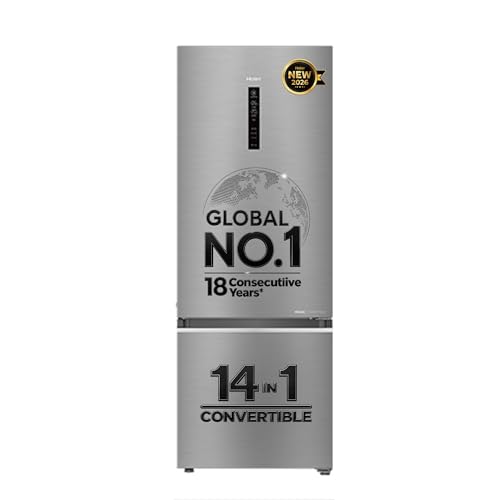
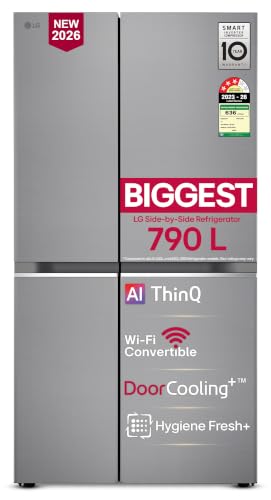
5: Best Large-Capacity Refrigerator

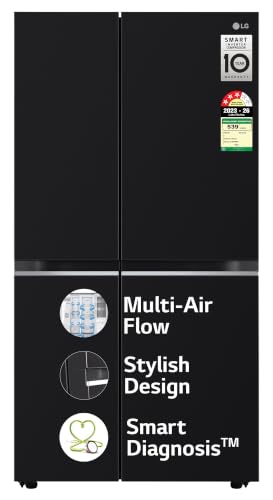

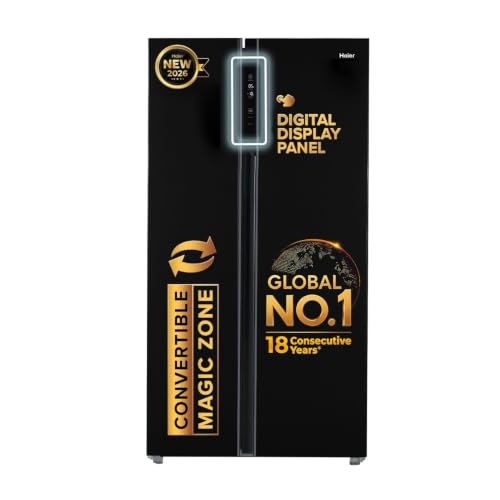
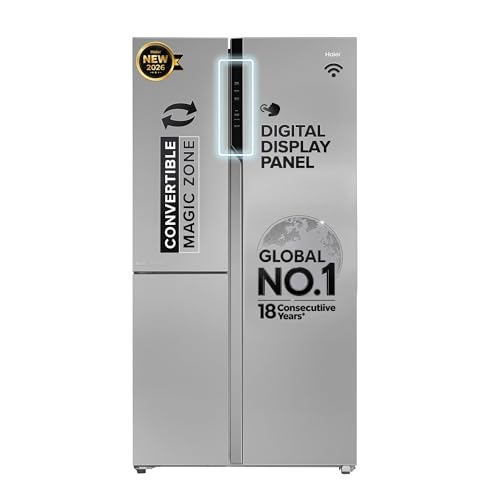
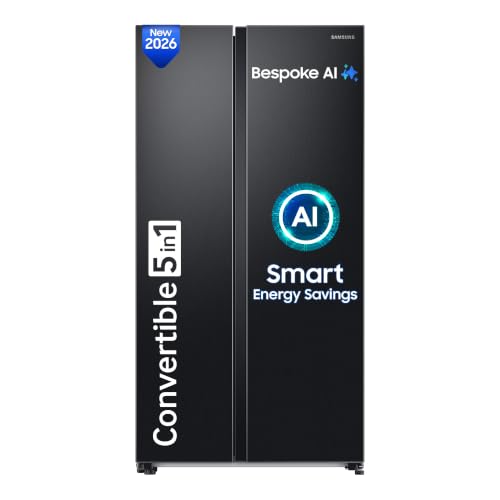
6: Best Convertible Refrigerator
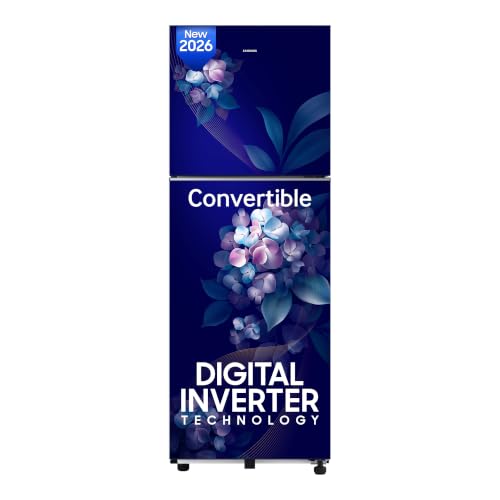
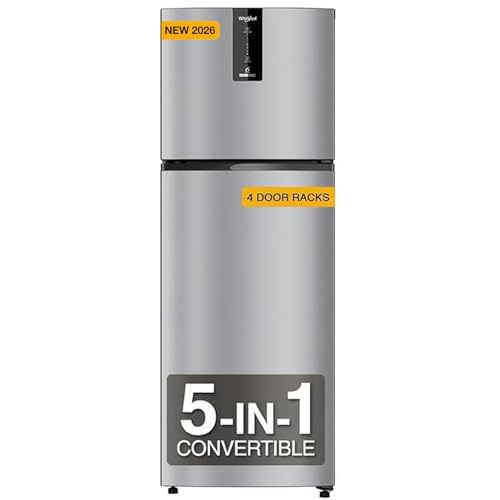
7: Best Side-by-Side Refrigerator
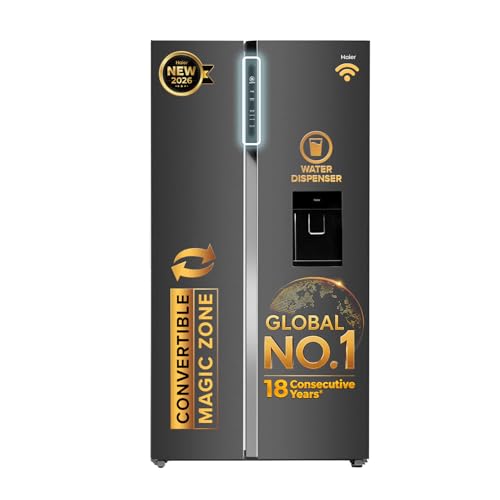
8: Best Refrigerator for Large Families
9: Best Premium Refrigerator


10: Best Value-for-Money Refrigerator
Single-Door vs Double-Door Refrigerator
| Feature | Single Door | Double Door |
|---|---|---|
| Capacity | Usually smaller | Usually larger |
| Freezer | Smaller | Separate compartment |
| Space required | Less | More |
| Price | Often lower | Often higher |
| Defrosting | May require manual defrosting | Usually frost-free |
| Ideal for | Small households | Medium/large households |
| Organization | Basic | More flexible |
The right choice depends on your household size, kitchen space, and storage requirements.
Side-by-Side vs French-Door Refrigerator
Both refrigerator designs can provide substantial storage.
A side-by-side refrigerator generally places the refrigerator and freezer sections next to each other.
A French-door model typically provides wide refrigerator storage at the top and a freezer compartment below.
When choosing between them, consider:
- Kitchen space
- Door clearance
- Refrigerator capacity
- Freezer requirements
- Shelf width
- Budget
- Preferred design
How to Choose a Refrigerator for a Family
For Individuals and Couples
A compact refrigerator can be sufficient if you don’t store large amounts of food.
For Small Families
A medium-capacity refrigerator can provide a good balance between storage and kitchen space.
For Medium Families
A larger double-door refrigerator can offer additional refrigerator and freezer space.
For Large Families
Consider a high-capacity refrigerator with larger vegetable storage, freezer capacity, and multiple shelves.
Refrigerator Features Worth Considering
Depending on your budget and requirements, consider:
Inverter Compressor
Can adjust compressor operation according to cooling requirements.
Frost-Free Technology
Reduces the need for manual freezer defrosting.
Convertible Modes
Allow more flexible use of refrigerator and freezer storage.
Door Alarm
Can alert you when the refrigerator door remains open.
Deodorizing System
Some models include technology designed to reduce unwanted odors.
Fast Cooling
Useful when you need to cool newly added food and beverages quickly.
Digital Temperature Display
Makes it easier to monitor and adjust temperature settings.
Adjustable Shelves
Provide flexibility when storing large containers and bottles.
Tips for Organizing Your Refrigerator
A well-organized refrigerator can make food easier to find.
Keep Dairy Products Together
Store milk, butter, cheese, and similar products in appropriate compartments.
Use the Vegetable Drawer
Keep fresh vegetables and fruits in the designated crisper compartment where appropriate.
Don’t Block Air Vents
Avoid placing containers directly in front of cooling vents.
Keep the Refrigerator at an Appropriate Temperature
Follow the manufacturer’s recommended temperature settings.
Avoid Overfilling
An overloaded refrigerator can restrict airflow.
Label Leftovers
Adding dates to stored leftovers can make it easier to manage food storage.
Refrigerator Maintenance Tips
Proper maintenance can help keep your refrigerator operating effectively.
Clean the Interior Regularly
Remove expired food and clean spills promptly.
Clean the Door Seals
Dirty or damaged door seals can affect how well the refrigerator maintains its temperature.
Keep Ventilation Clear
Make sure the refrigerator has the clearance recommended by the manufacturer.
Avoid Frequent Unnecessary Door Opening
Opening the door repeatedly can allow cold air to escape.
Clean External Components
Follow the manufacturer’s instructions for cleaning coils or other accessible components.
Check for Unusual Sounds
If your refrigerator develops unusual noise, poor cooling, or other problems, consult the manufacturer’s service guidance.
How to Buy a Refrigerator Online
Buying a refrigerator online can provide access to a wide selection of brands and models.
Before ordering, check:
- Exact model number
- Capacity
- Dimensions
- Door configuration
- Compressor type
- Energy-efficiency rating
- Cooling technology
- Warranty
- Installation availability
- Delivery availability
- Exchange offers
- Current price
Always check whether the refrigerator can be delivered to your location and whether installation is included.
Tips to Get the Best Refrigerator Deals
Before purchasing, compare prices and look for:
- Festival sales
- Seasonal discounts
- Bank offers
- Cashback
- Exchange offers
- No-cost EMI options where available
- Manufacturer discounts
- Bundle offers
Don’t judge a deal only by the percentage discount. Compare the final price, specifications, warranty, installation, and after-sales support.
Frequently Asked Questions About Refrigerators
Which refrigerator is best for a family?
The appropriate refrigerator depends on family size, food-storage habits, available kitchen space, and budget. Medium and larger families often need more storage capacity than individuals or couples.
How many litres of refrigerator capacity do I need?
Capacity requirements vary. Smaller households may be comfortable with approximately 150–250 litres, while larger families may prefer 350 litres or more.
Is an inverter refrigerator worth buying?
An inverter compressor can adjust its operation according to cooling demand and may offer efficient and quieter operation depending on the model.
Which is better, single-door or double-door refrigerator?
Single-door models can be suitable for smaller households and compact kitchens, while double-door models generally provide more storage and separate freezer space.
What is a frost-free refrigerator?
A frost-free refrigerator uses air circulation and automatic defrosting technology to reduce significant ice buildup in the freezer.
Are convertible refrigerators useful?
Convertible refrigerators can be useful if your storage requirements change because some models allow freezer and refrigerator space to be adjusted.
What refrigerator size is good for a large family?
Larger families may benefit from refrigerators with higher capacities, especially if they frequently store fresh food, beverages, frozen products, and bulk groceries.
Should I buy a side-by-side refrigerator?
A side-by-side model can be useful if you want substantial storage and have enough kitchen space for the appliance and door clearance.
Final Thoughts
Choosing the right refrigerator requires more than simply selecting the largest model available. Consider your household size, capacity requirements, kitchen dimensions, freezer usage, compressor technology, energy efficiency, cooling system, storage layout, and budget.
For individuals and couples, a compact single-door refrigerator may be sufficient. Families may prefer a double-door or convertible refrigerator, while households with extensive storage requirements may consider large-capacity, side-by-side, or French-door models.
Before purchasing, compare the exact specifications, dimensions, warranty, installation terms, energy-efficiency information, and current price.
Affiliate Disclosure: This article may contain affiliate links. If you purchase a product through our links, we may earn a commission at no additional cost to you. Prices, specifications, offers, availability, and warranty terms may change over time. Always verify the latest product information with the retailer or manufacturer before purchasing.