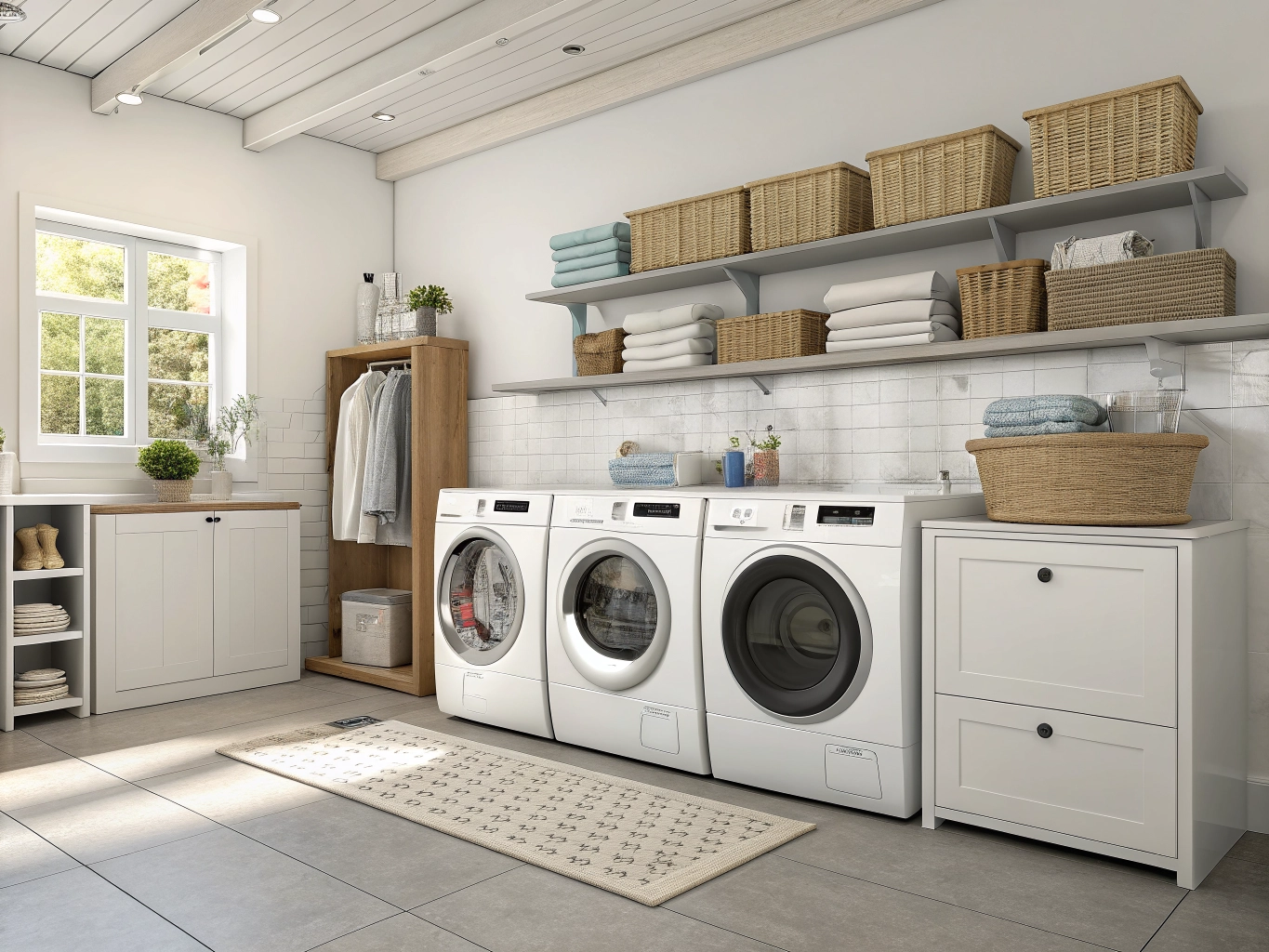
Buying a washing machine can make everyday laundry much easier and more convenient. With modern washing machines offering multiple wash programs, powerful motors, energy-efficient operation, smart features, and different capacity options, choosing the right model can sometimes feel confusing.
Whether you live alone, have a small family, or need a large washing machine for a bigger household, there are many options available across different budgets.
Why Buy a Washing Machine?
A good washing machine can save time, reduce manual effort, and provide consistent cleaning results.
Modern washing machines can offer features such as:
- Multiple washing programs
- Automatic water-level control
- Quick wash cycles
- Powerful stain-removal programs
- Temperature control
- Child lock
- Delay start
- Inverter motors
- Tub-cleaning programs
- Automatic drying or spin functions
- Smart connectivity on selected models
Instead of spending hours washing clothes manually, a washing machine can handle most of the process automatically.
Types of Washing Machines
Before choosing a model, it is important to understand the major types of washing machines available.
1. Fully Automatic Washing Machines
Fully automatic washing machines perform the washing, rinsing, and spinning cycles without requiring you to manually transfer clothes between tubs.
They are convenient and suitable for everyday household use.
Fully automatic models are generally available in two main designs:
- Top load
- Front load
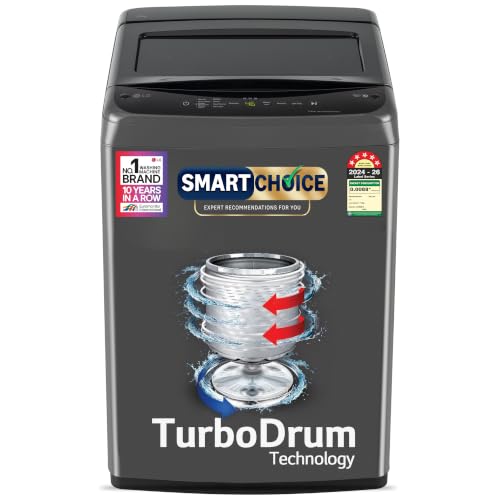
2. Top Load Washing Machines
Top-load washing machines have the door or lid on the top of the appliance.
They are often convenient because users can load clothes without bending down as much as with a front-load machine.
Advantages can include:
- Easy loading and unloading
- Convenient controls
- Wide range of models
- Generally simple operation
- Suitable for many households
Top-load washing machines are available in different capacities and price ranges.
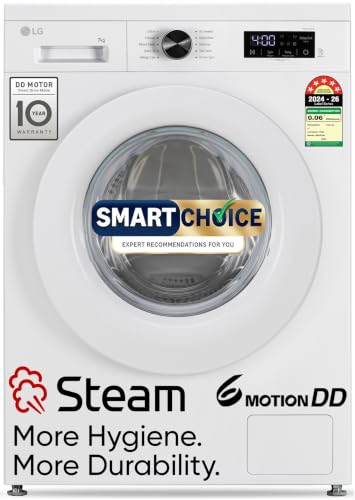
3. Front Load Washing Machines
Front-load washing machines have the door at the front.
They are popular for their efficient washing performance and can provide a variety of advanced wash programs.
Potential advantages include:
- Efficient water usage on many models
- Strong washing performance
- Multiple specialized wash cycles
- High spin speeds on many models
- Stackable designs in some setups
- Premium features on many models
Front-load machines can be particularly attractive to families that regularly wash large quantities of clothes.
4. Semi-Automatic Washing Machines
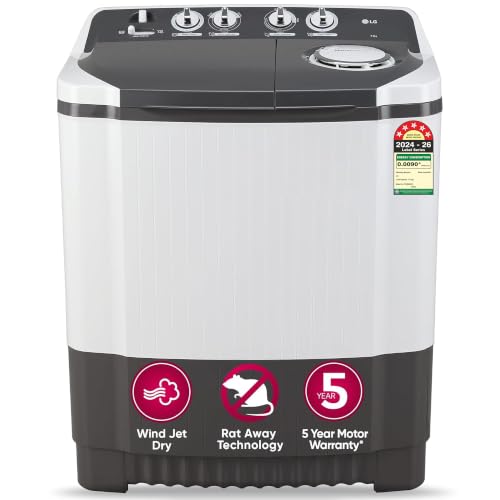
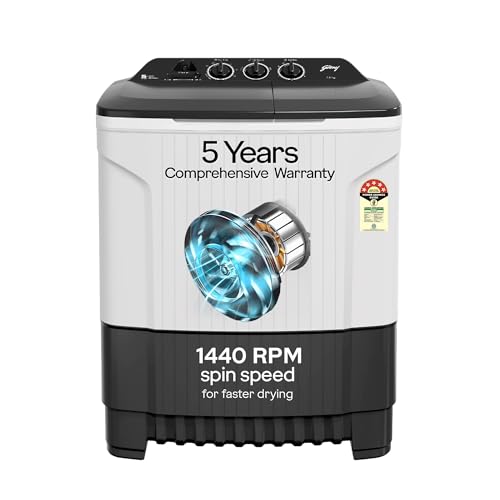
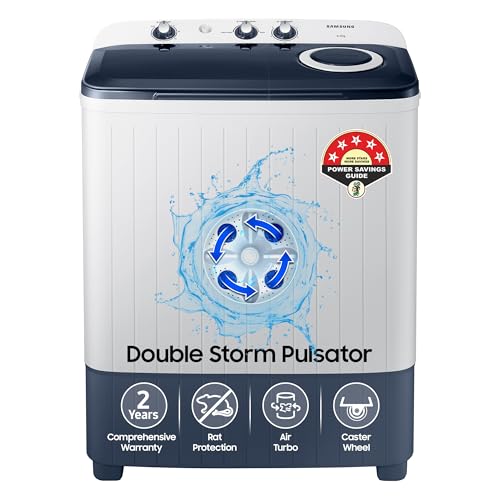
Semi-automatic washing machines generally have separate washing and spinning tubs.
They require some manual involvement, such as moving clothes between tubs.
However, they can be attractive to buyers who want:
- Lower initial cost
- Simple operation
- Manual control over washing and spinning
- Flexibility where water supply is limited
They can be particularly useful for budget-conscious households.
How to Choose the Right Washing Machine
1. Select the Right Capacity
Washing machine capacity is usually measured in kilograms.
Common capacities include:
- 6 kg
- 6.5 kg
- 7 kg
- 7.5 kg
- 8 kg
- 8.5 kg
- 9 kg
- 10 kg
- 10.5 kg and larger
The right capacity depends on household size and laundry habits.
6–6.5 kg
Suitable for individuals, couples, or smaller households with moderate laundry requirements.
7–8 kg
A practical range for many small and medium-sized families.
8.5–10 kg
Useful for larger families or households that frequently wash bedsheets, towels, curtains, and larger loads.
10 kg+
Suitable for households with particularly large laundry loads.
Remember that capacity is not the only consideration. Your available space, wash frequency, fabric types, and budget should also be considered.
2. Check the Washing Programs
Different fabrics require different washing methods.
Depending on the model, washing programs may include:
- Cotton
- Synthetic
- Delicate
- Wool
- Quick Wash
- Daily Wash
- Heavy Wash
- Baby Care
- Sportswear
- Bedding
- Jeans
- Eco Wash
- Drum/Tub Clean
Having multiple programs can make it easier to select a suitable cycle for different types of clothing.
3. Look at the Spin Speed
Spin speed is measured in revolutions per minute, or RPM.
You may find washing machines with spin speeds such as:
- 700 RPM
- 800 RPM
- 1000 RPM
- 1200 RPM
- 1400 RPM
- Higher speeds on selected models
A higher spin speed can remove more water from clothes before they are taken out of the machine.
However, the appropriate speed depends on the fabric and wash program.
4. Inverter Motor Technology
Many modern washing machines feature inverter motors.
Inverter technology can help provide efficient motor operation and may reduce operating noise and vibration depending on the design.
Some models also use technologies marketed as:
- Digital inverter
- AI inverter
- Direct drive
- BLDC motor
- Variable-speed motor
When comparing washing machines, look at the complete specifications rather than relying only on the motor branding.
5. Water and Energy Efficiency
A washing machine can be used frequently, so operating efficiency is important.
Before buying, check:
- Energy-efficiency information
- Water consumption
- Wash cycle duration
- Eco modes
- Load-sensing features
- Automatic water-level adjustment
A machine that uses water and electricity efficiently can help reduce long-term household running costs.
6. Drum or Tub Design
The drum is directly involved in washing your clothes.
Some washing machines use specially designed drum patterns intended to provide effective cleaning while being gentler on fabrics.
Features may include:
- Stainless-steel drums
- Diamond-style drums
- Soft-touch drums
- Bubble or water-flow systems
- Specialized drum patterns
Check the manufacturer’s specifications to understand what the particular design offers.
7. Noise and Vibration
Noise can be especially important if your washing machine is located near bedrooms or living areas.
Look for models with:
- Inverter motors
- Vibration-control systems
- Balanced drum designs
- Stable feet
- Anti-vibration features
Actual noise levels can vary depending on installation, floor surface, load balance, and machine design.
8. Smart Washing Machines
Some premium washing machines include smart connectivity.
Depending on the model, smart features can include:
- Wi-Fi connectivity
- Smartphone applications
- Remote monitoring
- Wash notifications
- Smart diagnostics
- Customized wash programs
- Voice assistant compatibility
Smart features are not essential for everyone, but they can provide additional convenience.
9. Child Lock
If you have children at home, a child-lock function can be useful.
It can help prevent accidental changes to the controls while the machine is running.
10. Tub Cleaning Function
Regular tub cleaning can help maintain the washing machine.
Many models include a dedicated tub-clean or drum-clean program that can be used periodically according to the manufacturer’s instructions.
This can help remove buildup and keep the internal washing area cleaner.
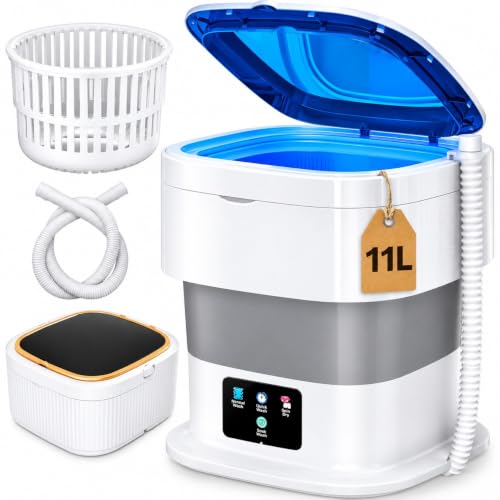
1: Best Budget Washing Machine

2: Best 6–7 kg Washing Machine
3: Best 7–8 kg Washing Machine
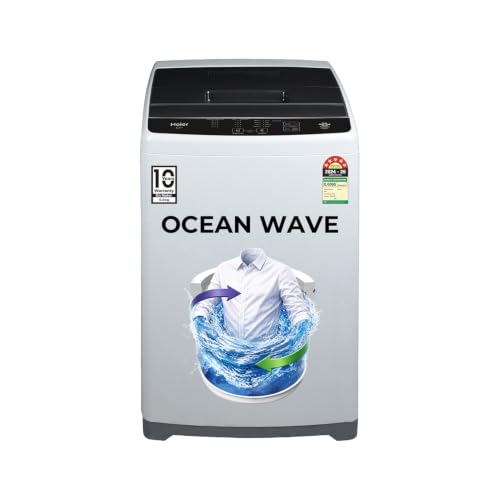
4: Best Front Load Washing Machine
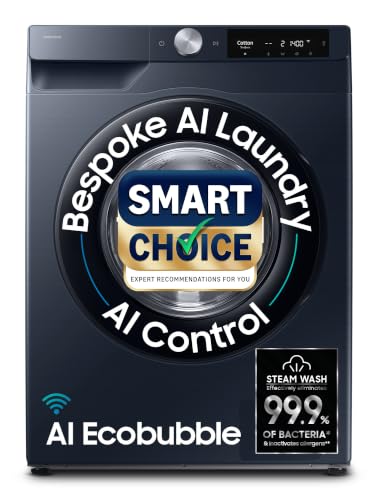
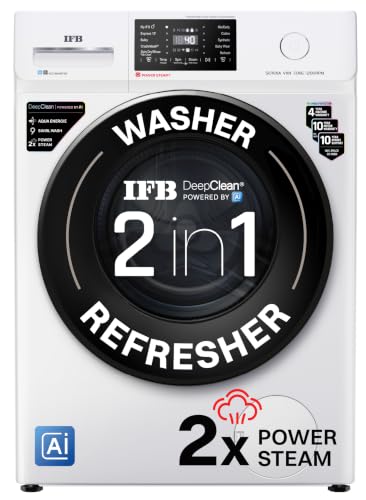
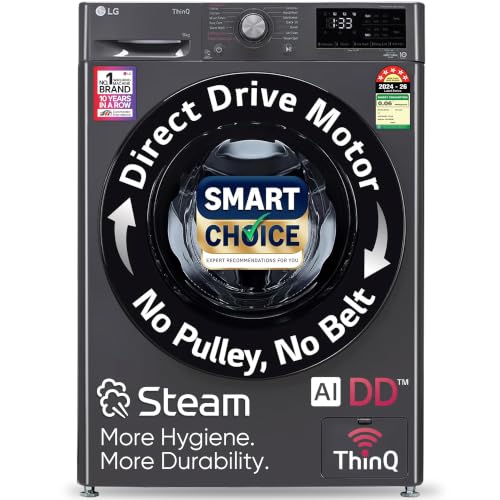
5: Best Top Load Washing Machine

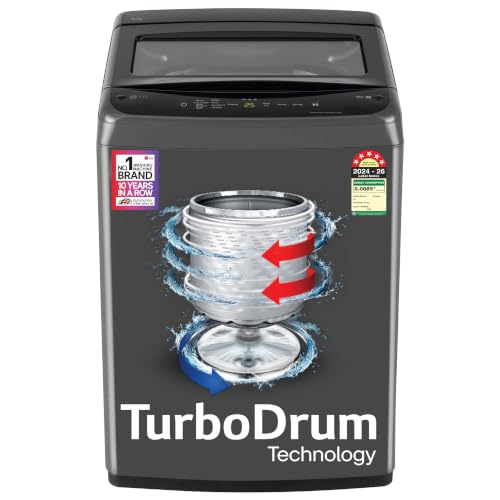
6: Best Fully Automatic Washing Machine
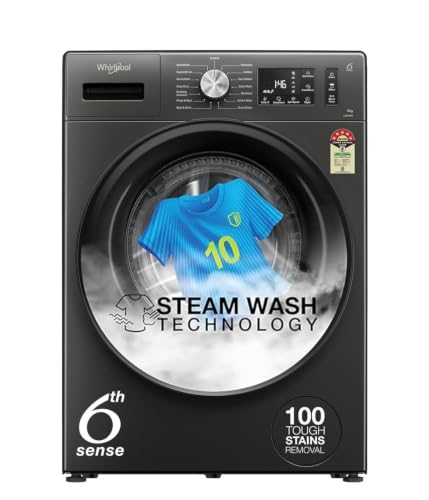
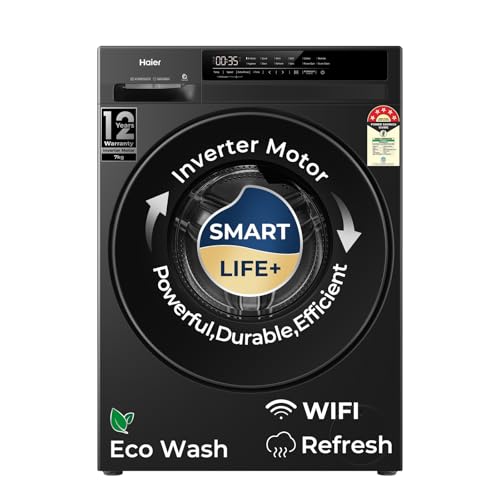

7: Best Washing Machine for Large Families
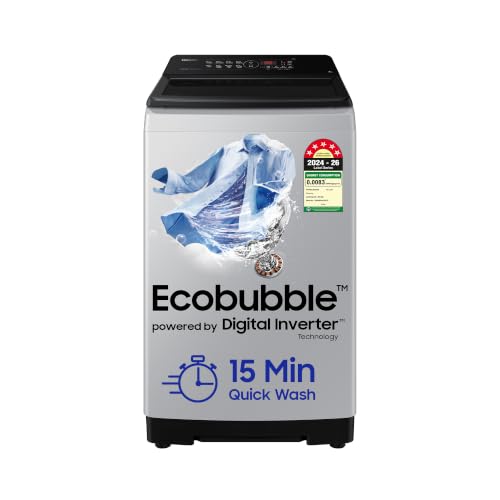
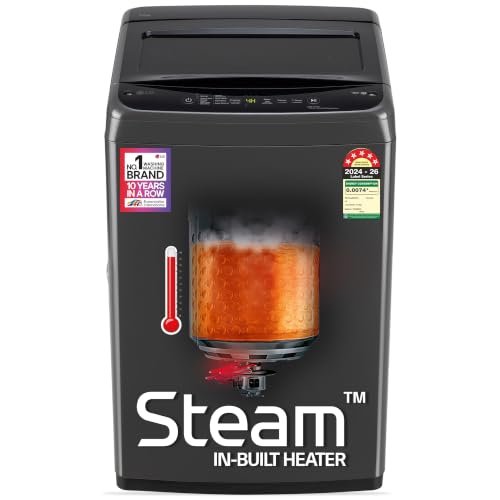
8: Best Washing Machine for Heavy Clothes
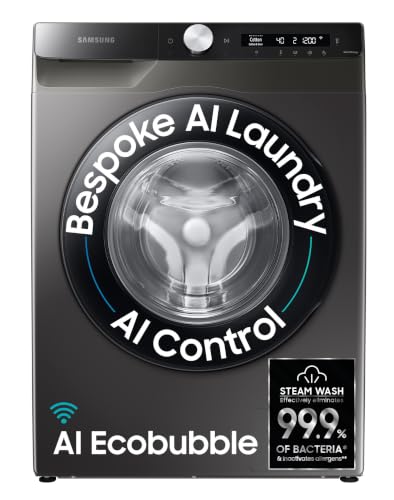

9: Best Premium Washing Machine
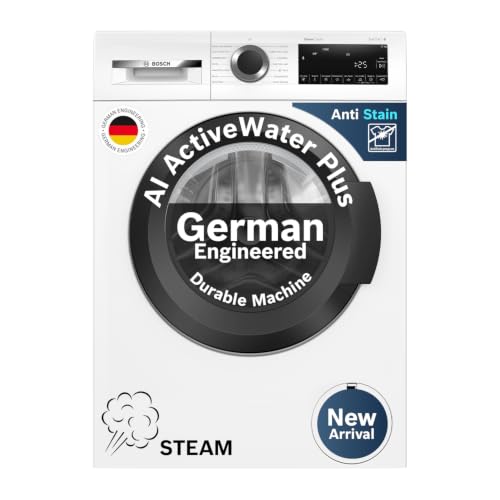
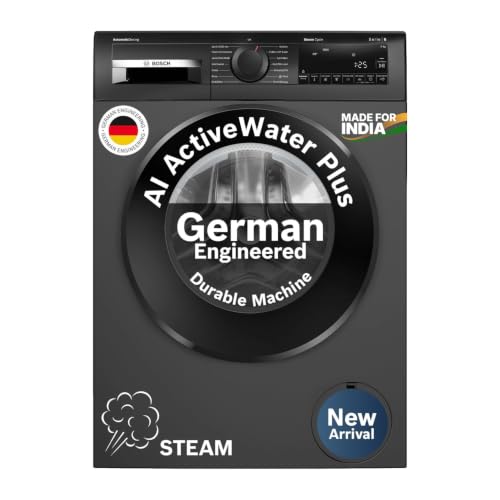
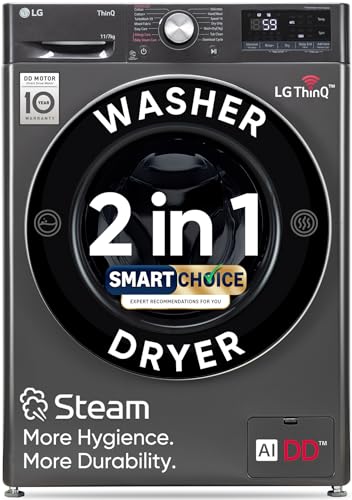
10: Best Value-for-Money Washing Machine
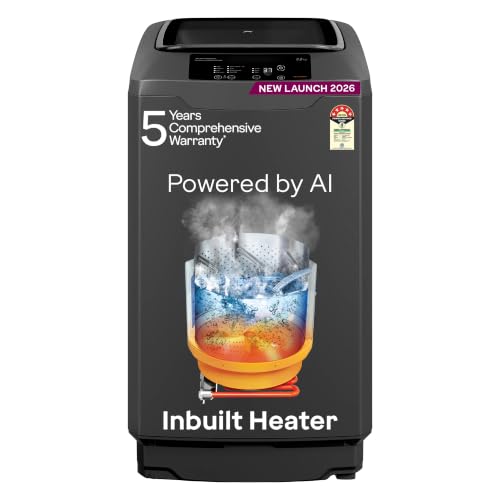
Front Load vs Top Load Washing Machine
Both front-load and top-load washing machines have advantages.
| Feature | Front Load | Top Load |
|---|---|---|
| Loading | Front door | Top opening |
| Convenience | Requires bending | Easier top access |
| Wash performance | Often strong | Varies by model |
| Water usage | Often efficient | Varies by model |
| Space | Can sometimes be stacked | Usually not stackable |
| Price range | Budget to premium | Budget to premium |
| Features | Often advanced | Wide variety available |
The right choice depends on your space, budget, laundry habits, and preferred features.
Fully Automatic vs Semi-Automatic Washing Machine
Fully Automatic
A fully automatic machine handles the complete wash cycle with minimal manual intervention.
It is useful for people who want convenience and easy everyday operation.
Semi-Automatic
A semi-automatic machine requires some manual work between washing and spinning.
However, these machines can offer a lower purchase price and may be useful where water availability needs more manual management.
How Much Washing Machine Capacity Do You Need?
Choosing the correct capacity can help you avoid unnecessary wash cycles.
For 1–2 People
A 6–6.5 kg machine may be sufficient for moderate laundry needs.
For 3–4 People
A 7–8 kg machine can be a practical option.
For 4–6 People
An 8–9 kg model may provide additional flexibility.
For Large Families
A 9–10 kg or larger machine may be worth considering if you frequently wash large loads.
These are general guidelines. Actual requirements depend on how frequently you wash clothes and the type of laundry you typically handle.
Washing Machine Maintenance Tips
Proper maintenance can help keep your washing machine working effectively.
1. Don’t Overload the Machine
Avoid exceeding the manufacturer’s recommended load capacity.
2. Clean the Drum Regularly
Use the tub-clean or drum-clean program when recommended.
3. Clean the Detergent Drawer
Detergent residue can accumulate over time.
4. Keep the Door or Lid Ventilated
For front-load models, leaving the door slightly open after use can help the interior dry, subject to the manufacturer’s guidance.
5. Check the Filter
Clean the filter according to the manufacturer’s instructions.
6. Use Suitable Detergent
Follow the detergent and dosage recommendations provided for your machine.
7. Balance the Load
Uneven loads can cause vibration during spinning.
Tips for Buying a Washing Machine Online
Online shopping can provide access to a wide range of washing machines, but compare the complete specifications before ordering.
Check:
- Washing machine capacity
- Type
- Dimensions
- Motor type
- Spin speed
- Wash programs
- Energy-efficiency information
- Water requirements
- Warranty
- Installation terms
- Exchange offers
- Delivery availability
- Current price
Always verify the exact model number because different variants can have similar names but different specifications.
How to Get the Best Washing Machine Deals
Before purchasing, compare prices across different sellers and check for:
- Festival sales
- Bank discounts
- Cashback offers
- Exchange programs
- No-cost EMI offers where applicable
- Manufacturer promotions
- Bundle offers
- Seasonal discounts
The lowest advertised price is not necessarily the best overall deal. Consider warranty, installation, after-sales service, and included accessories as well.
Frequently Asked Questions
Which type of washing machine is best?
There is no single best type for everyone. Fully automatic front-load, fully automatic top-load, and semi-automatic machines suit different requirements and budgets.
Is a 7 kg washing machine enough for a family?
A 7 kg machine can be suitable for many smaller and medium-sized households, depending on laundry frequency and load size.
Is a front-load washing machine better than a top-load model?
They have different designs and advantages. Front-load models often emphasize washing efficiency and advanced programs, while top-load machines can offer convenient loading and straightforward operation.
Is an inverter washing machine worth buying?
An inverter motor can offer efficient and variable-speed operation, and may help reduce noise and vibration depending on the machine’s design.
What RPM is good for a washing machine?
Many modern washing machines offer around 1000–1400 RPM, although the appropriate spin speed depends on the model and fabric type.
How often should a washing machine be cleaned?
The cleaning frequency depends on usage and the manufacturer’s recommendations. Regularly using the machine’s tub-clean or drum-clean function can help maintain the appliance.
Can I wash bedsheets in a washing machine?
Yes, provided the washing machine’s capacity and wash program are appropriate for the bedsheets. Large bedsheets may require a higher-capacity machine.
Which washing machine is good for a large family?
A larger-capacity model can be useful for large families, particularly if you frequently wash towels, bedsheets, curtains, and other bulky items.
Final Thoughts
A washing machine is one of the most useful appliances for a modern household. The right model can save time, simplify laundry, and provide convenient washing programs for different types of clothing.
Before buying, consider capacity, washing-machine type, motor technology, spin speed, wash programs, water and energy consumption, noise levels, dimensions, smart features, warranty, and your budget.
For smaller households, a compact washing machine may be enough. Medium-sized families may prefer a 7–8 kg model, while larger households can benefit from higher-capacity machines.
Affiliate Disclosure: This article may contain affiliate links. If you purchase a product through our links, we may earn a commission at no additional cost to you. Prices, specifications, offers, availability, and warranty terms can change, so always verify the latest information with the retailer or manufacturer before purchasing.